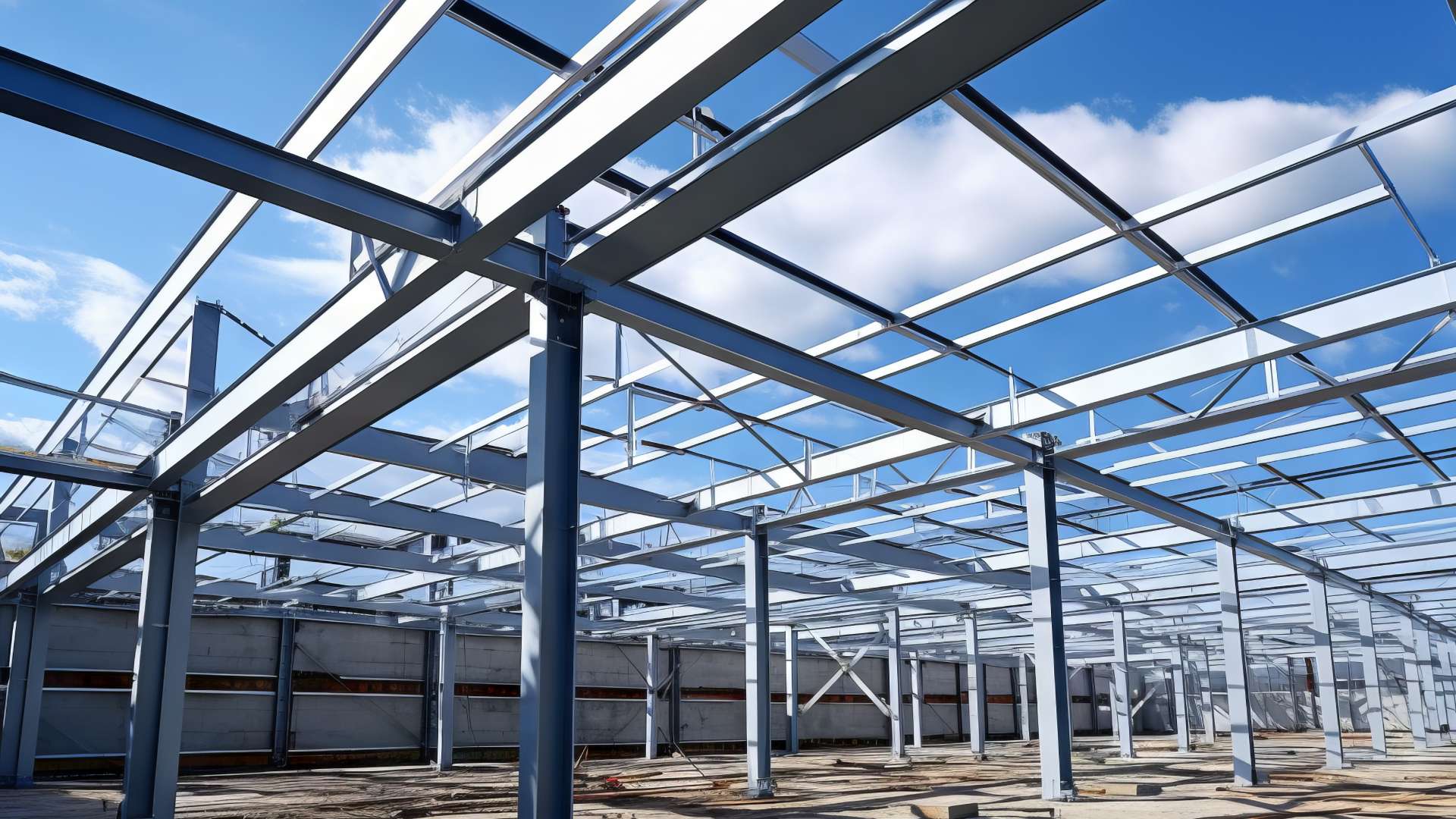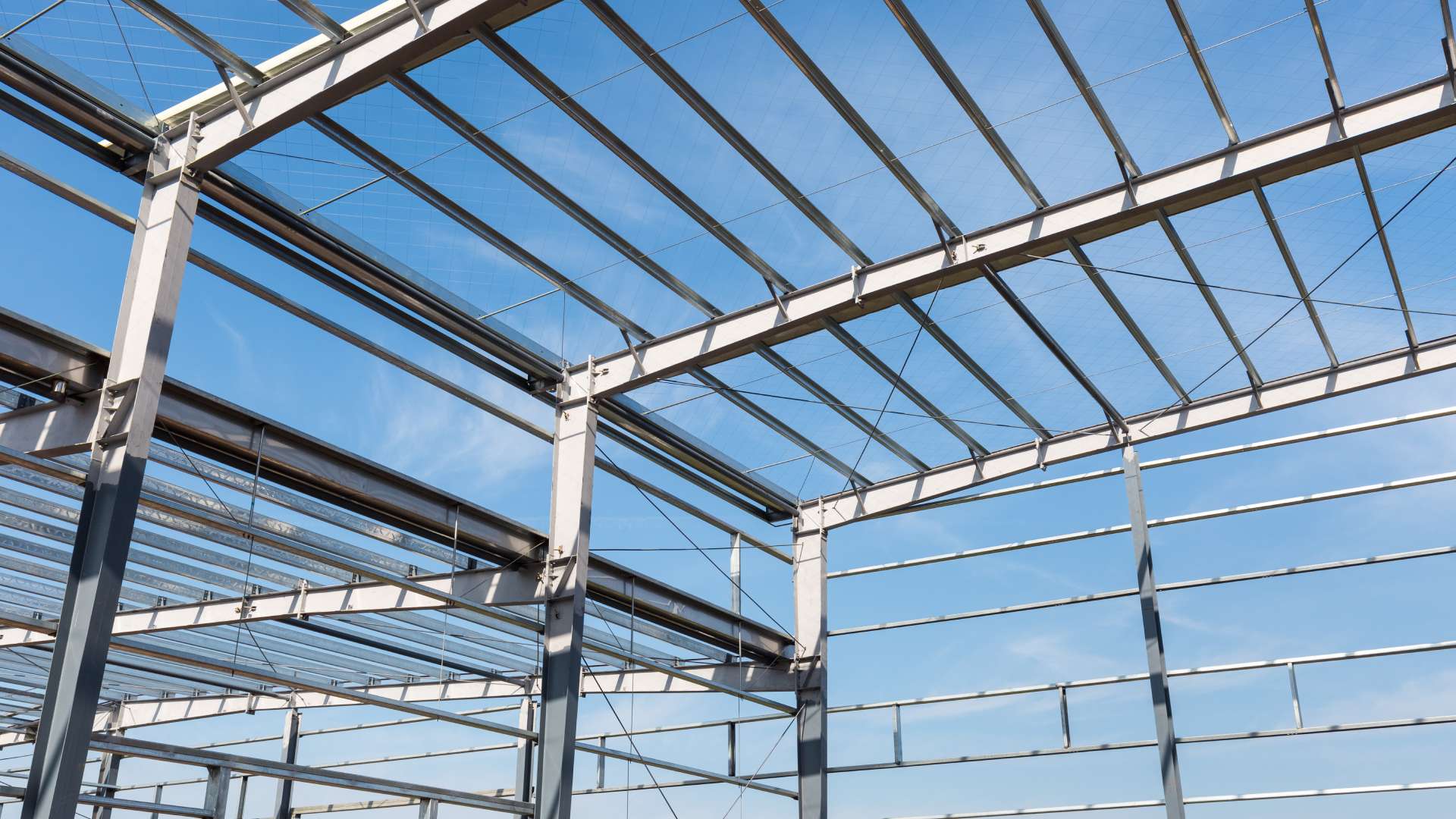
Wind is one of the most important environmental forces that engineers must consider when designing steel buildings.
Across the UK, wind speeds can vary significantly depending on the location, surrounding landscape, and building height.
Coastal areas and exposed rural sites, for example, often experience stronger and more consistent winds than sheltered urban locations.
Because steel structures are typically lightweight compared with materials like concrete, wind pressure can place significant stress on different parts of a building.
Designers, therefore, need to ensure the frame, cladding, and connections are all capable of resisting these forces safely.
Careful planning at the design stage helps prevent long-term structural issues and ensures the building performs reliably in challenging weather conditions.
Understanding Wind Load in Construction
Wind load refers to the pressure that moving air places on a building’s surfaces. When wind strikes a structure, it creates both positive pressure on the side facing the wind and suction forces on the opposite side and roof.
These forces may appear subtle during normal weather, but during storms, they can become extremely powerful.
Engineers calculate wind load using established building standards and local wind data. Factors such as building height, shape, and surrounding terrain all influence the amount of pressure a structure will experience.
A large warehouse in an open field, for instance, will usually face stronger wind forces than a smaller building surrounded by other structures.
How Wind Affects Steel Building Structures
Wind can affect multiple parts of a steel building, including the primary frame, roof system, and external cladding. Strong winds create horizontal forces that push against walls and roofs, potentially causing movement within the structure.
If the building has not been designed to resist these loads properly, it may experience stress on key components over time.
Steel frames are generally very strong and flexible, which is one reason they are widely used in industrial and agricultural construction.
However, this flexibility means the design must account for how forces move through the structure. Bracing systems, rigid connections, and carefully engineered frames help distribute wind pressure safely throughout the building.
The Role of Structural Bracing
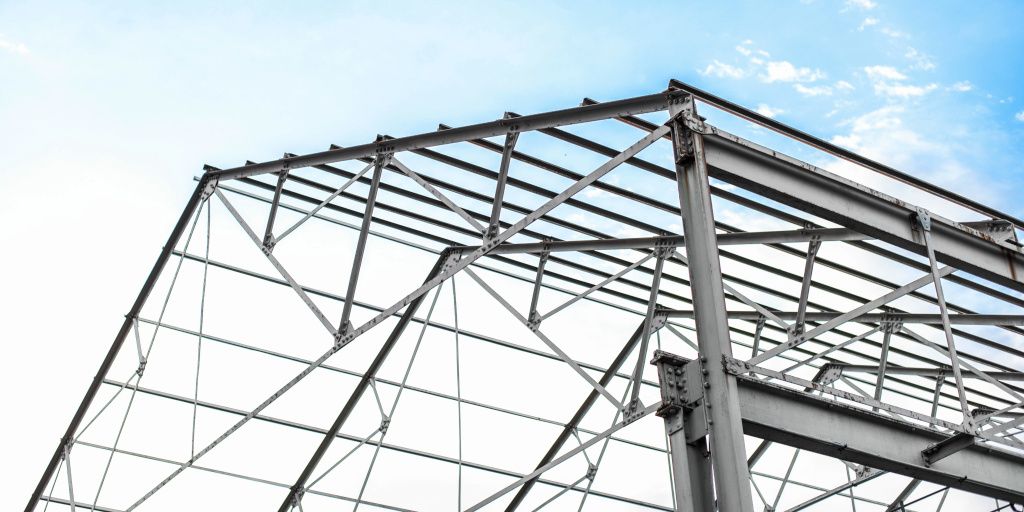
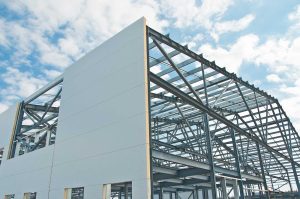
Structural bracing plays a crucial role in helping steel buildings withstand wind forces. Bracing systems act as stabilising elements within the frame, preventing excessive movement when the building is exposed to strong winds.
These components typically appear as diagonal steel members positioned within walls or roof sections.
Without proper bracing, wind pressure could cause the frame to twist or shift, which may weaken connections or damage cladding panels.
Engineers therefore design bracing systems that allow the building to transfer wind loads safely down to the foundations. This approach ensures the structure remains stable even during severe weather conditions.
Building Shape and Orientation
The overall shape of a building can significantly influence how wind interacts with it. Large flat surfaces tend to catch wind more directly, which increases pressure on walls and roofing systems.
Buildings with complex shapes or varying roof heights may experience different pressure zones across their surfaces.
Orientation also plays a role. A building positioned directly facing prevailing winds may experience greater loads than one angled slightly away.
During the design process, engineers and planners often consider how the structure sits within its environment so they can reduce unnecessary wind stress where possible.
Importance of Secure Foundations
Wind forces not only affect the visible parts of a building. These loads eventually transfer down through the frame and into the foundations.
If the foundations are not designed correctly, strong winds could place excessive stress on the base of the structure.
Secure anchoring systems are used to connect the steel frame to the foundations.
Anchor bolts, reinforced concrete bases, and properly designed footings all help prevent uplift or movement during high winds.
Ensuring the foundation system is suitable for the expected wind loads is a key step in creating a durable and safe steel building.
Conclusion
Wind load is a fundamental consideration in steel building design. From the shape of the structure to the strength of its bracing and foundations, every element must work together to resist the forces created by strong winds.
When properly engineered, steel buildings can perform exceptionally well in challenging weather conditions.
Careful planning and adherence to engineering standards help ensure the building remains stable and safe throughout its lifespan.
By understanding how wind interacts with structures, designers can create steel buildings that are not only efficient and practical but also resilient against the natural forces they will face over time.