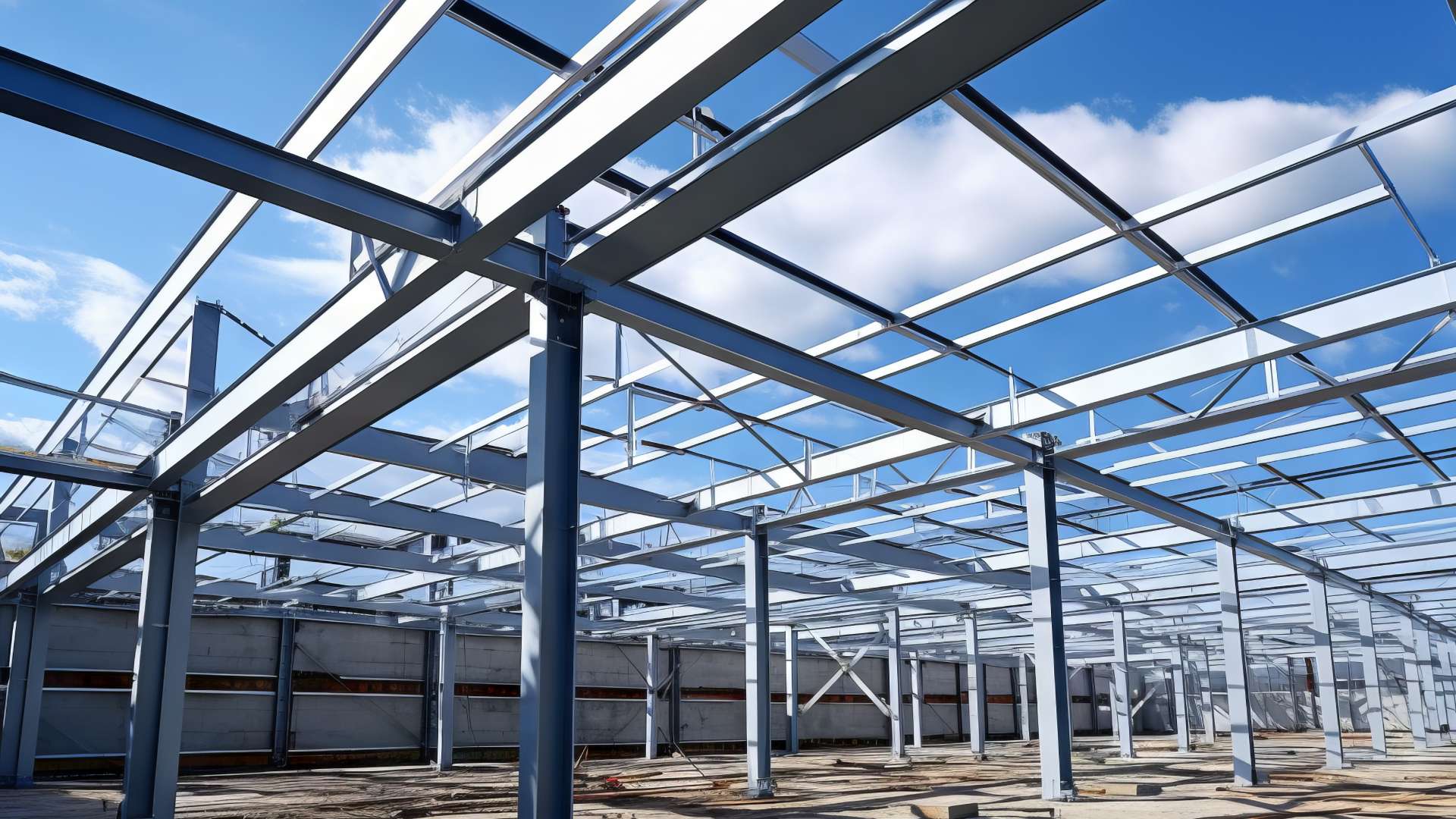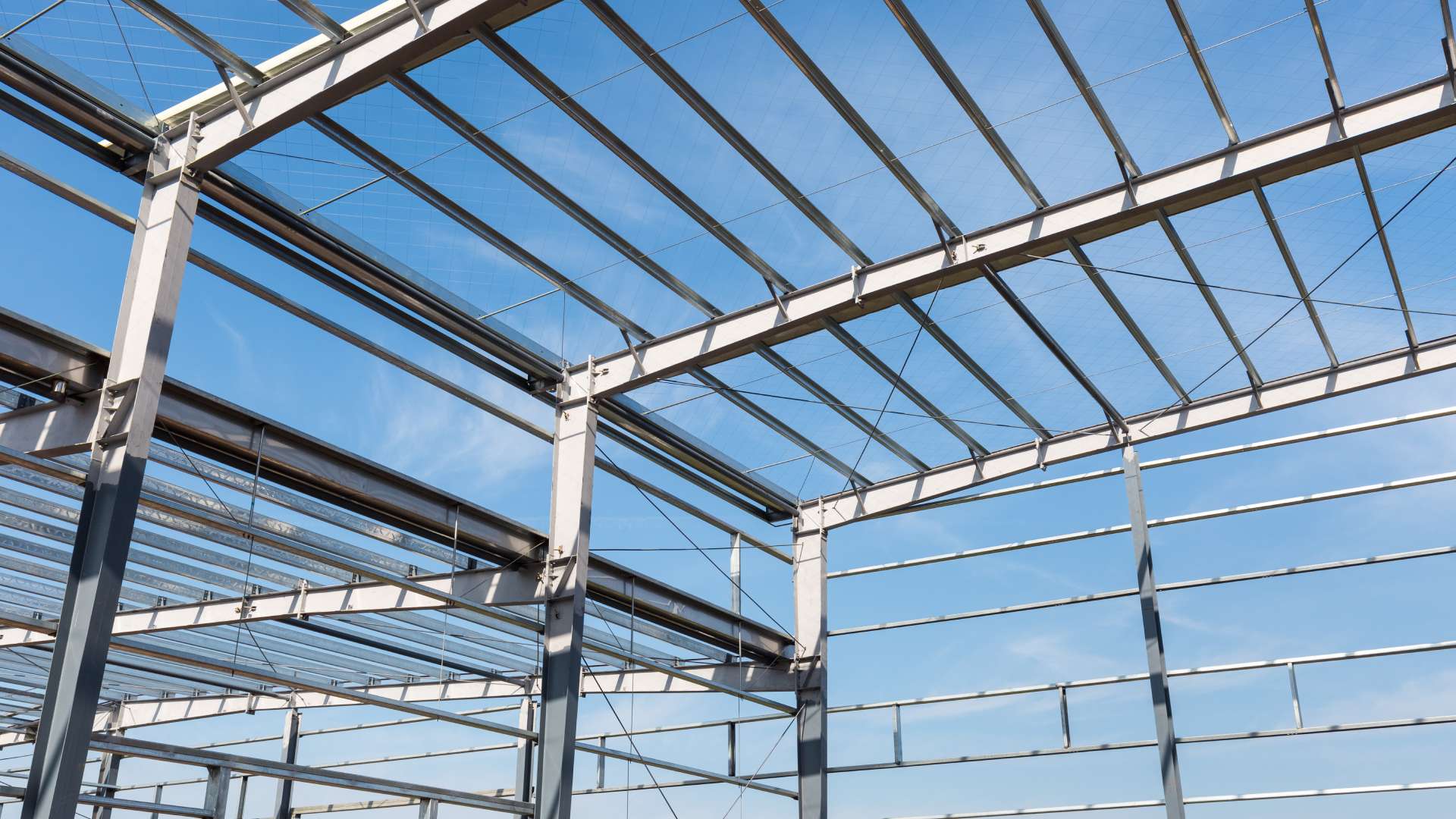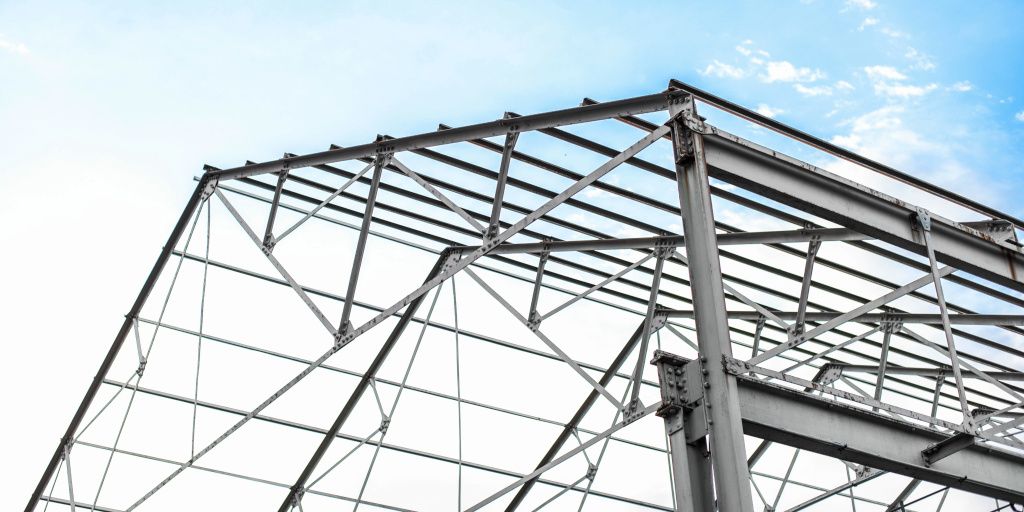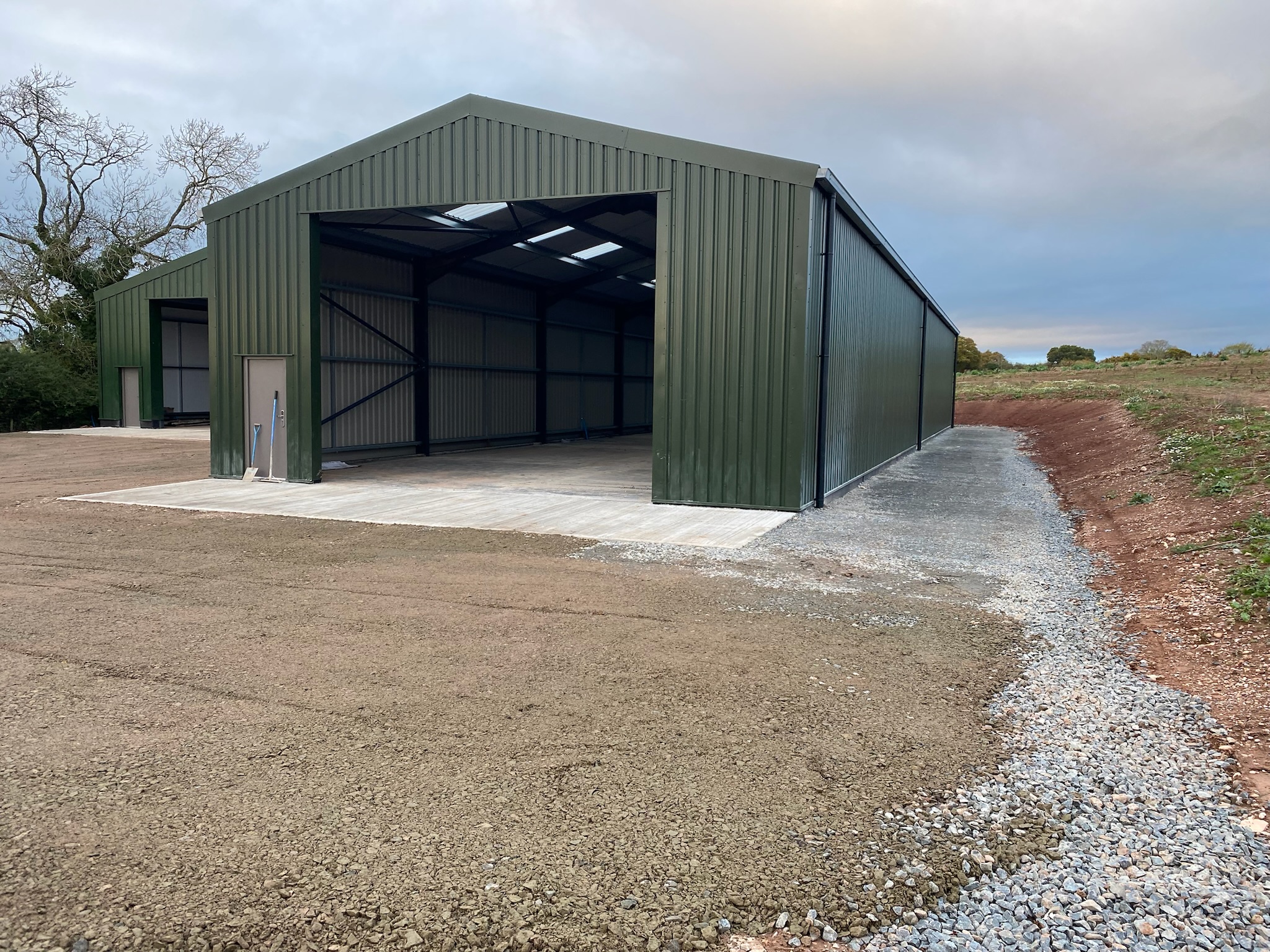
or an industrial unit with room to grow. The smart approach is to plan the build and the money side together.
In the UK, funding commonly comes from a mix of local capital grants, energy related incentives, and tax relief
through capital allowances. What you can access depends on your location, sector, and how your costs are broken down.
What this post helps you do
- Spot funding routes that typically fit steel building projects
- Understand the difference between grants, incentives, and tax relief
- Prepare the right paperwork so you do not miss legitimate claims
Quick principles
- Grants are usually competitive and time limited
- Incentives reduce ongoing costs and improve payback
- Tax relief depends heavily on correct cost categories
Start with a simple funding model
Most businesses end up using a “funding stack”. That might be a local grant contribution towards eligible capital work,
plus tax relief on qualifying expenditure, plus commercial finance or retained profits to cover the balance.
You can often combine routes, but you must follow the rules for each one, particularly around procurement and start dates.
Tip: Before you apply for anything, get your project scope itemised.
A single lump sum quote makes it harder to prove eligibility for grants and harder to maximise tax relief.
 Cost categories matter more than most people expect
 Cost categories matter more than most people expect
Funding and tax relief are driven by what the spend is actually for. A steel building project often includes:
groundworks, the building shell, fit out services, and operational kit. Those areas can be treated differently for claims,
so it helps to separate them clearly.
When you request pricing, ask for line items that split the works into sensible groups such as civils and slab,
steel frame and cladding, doors and access, electrics and lighting, heating and ventilation, and any renewable technology.
This is useful for your budget, and it is also useful evidence for grant applications and for capital allowances.
At a glance: common routes worth checking
Below is a practical overview of the funding and relief routes that frequently come up for UK steel building projects.
Treat this as a shortlist to investigate, not a guarantee of eligibility.
| Route | Where it can help on a steel building project | What to have ready |
|---|---|---|
| RuralLocal rural capital grants (England REPF delivered via councils) | Rural workshops, storage, diversification premises, productivity improvements that benefit the local rural economy | Rural eligibility, SME details, clear outcomes, itemised quotes, match funding plan |
| EnergyIndustrial energy efficiency funding (where applicable) | Process efficiency upgrades, major energy saving measures, electrification and low carbon technology linked to site improvements | Evidence of energy use, savings case, project plan, technical specification and procurement records |
| IncentiveBusiness rates treatment for eligible onsite renewables and storage (England) | Rooftop solar PV, battery storage, and related onsite storage used with EV charging points | Clear scope of technology, site layout, installation documents, keep records for valuation discussions if needed |
| TaxStructures and Buildings Allowance (SBA) | Qualifying non residential structure and building costs, typically associated with the building itself | Allowance statement and evidence of qualifying expenditure, plus first use and completion dates |
| TaxAnnual Investment Allowance (AIA) | Qualifying plant and machinery within the project, often found in fit out and operational systems | Itemised invoices that separate qualifying items, purchase and install dates, proof of payment |
| TaxFull expensing (companies only) | Qualifying main rate plant and machinery that is purchased as part of your operational fit out | Company status, clear asset classification, invoices and commissioning records |
Rural development grants and local capital pots
If your project is in a rural area, start by checking what your local authority is running. In England,
the Rural England Prosperity Fund is delivered via councils, which means the application process, evidence requirements,
and deadlines are set locally. These schemes often focus on capital projects that help rural businesses become more productive,
create jobs, or develop new facilities that benefit the local economy.
For a steel building, this can align well with storage buildings, workshops, light industrial units, and premises that support
diversification. The strongest applications usually show a clear before and after story: what you cannot do today, what the building enables,
and why it matters locally. Expect to provide itemised quotes, a timetable, and a match funding plan.
In Scotland, Wales, and Northern Ireland, support is devolved and often runs through different programmes, agencies, or regional funds.
If you operate across borders, do not assume a scheme is UK wide. Check the rules for the nation your site is in and build your
finance plan around that.
Energy incentives that can strengthen the business case
Even if you do not qualify for a grant, energy related incentives can improve the long term running costs of the building.
This is especially relevant for high energy sites, cold storage, manufacturing, and businesses that run long hours.
If your project includes significant energy reduction measures or low carbon technologies, dedicated programmes may be worth exploring.
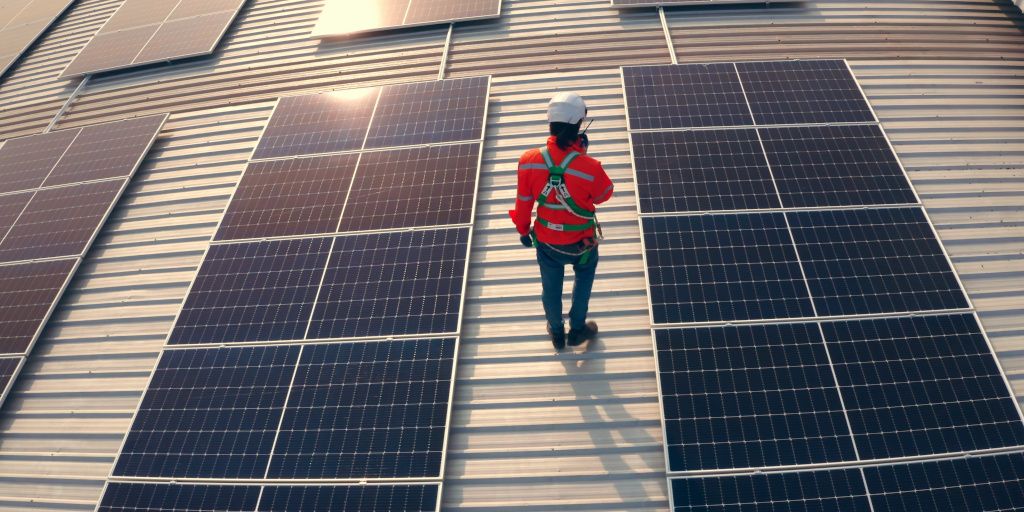
For many businesses, the most practical “design stage” decision is solar readiness. Steel buildings often offer excellent roof space,
and planning the structural assumptions, cable routes, and safe access early can reduce later disruption.
Where business rates treatment applies to eligible onsite renewables and storage, it can improve the overall return.
Tax relief through capital allowances
Capital allowances are one of the most valuable funding levers because they reduce taxable profits based on qualifying capital spend.
The important point is that a steel building project is rarely “one category”. You may have qualifying building expenditure that is relieved
over time, and qualifying plant and machinery expenditure that can attract relief much sooner, depending on your circumstances.
Structures and Buildings Allowance (SBA)
SBA is typically the route used for qualifying non residential structure and building costs. In practice, you need good records and an allowance
statement. If your documentation is tidy from the outset, claiming becomes far simpler.
Plant and machinery relief (AIA and, for companies, full expensing)
Many projects include substantial plant and machinery elements as part of fit out. Think lighting, certain electrical systems, heating and ventilation,
security systems, and operational equipment that makes the building usable for your business. These are exactly the areas that get missed when costs are
bundled into a single line item.
Practical move: Ask for an itemised quote that separates the building shell from fit out and operational kit.
It makes grant evidence easier and it gives your accountant a clearer basis for allowances.
Common pitfalls that cost businesses time and money
- Starting spend too early: many grants require approval before costs are incurred.
- Weak procurement: if a fund expects comparable quotes, do not mix specs or scopes.
- Over simplified cost lines: lump sums can hide qualifying plant and machinery items.
- Missing dates: keep clear records of completion and first use, plus invoices and proof of payment.
- Assuming a scheme applies everywhere: many routes are local or devolved by nation.
A short checklist before you commit
- Write a one page scope: what you are building, what it will be used for, and why now.
- Get itemised quotes and confirm any optional add ons (solar readiness, insulation upgrades, mezzanine, fit out).
- Map your funding stack: potential grant contribution, tax relief plan, and how the balance is financed.
- Organise evidence: business details, rural eligibility (if relevant), outcomes, timetable, and procurement records.
- Bring your accountant in early, especially if you are relying on allowances to support the business case.
Closing thoughts
A steel building is often one of the most cost effective ways to expand capacity, but the best results come when the finance plan and specification
are aligned from the start. Local rural grants can reduce the upfront burden, energy incentives can improve long term running costs, and capital allowances
can materially reduce the net cost of qualifying spend. The common thread is clear documentation and a properly itemised scope.
If you are at the early planning stage, speaking with Buildings UK sooner rather than later helps ensure your quote and specification are structured in a way
that supports applications, strengthens your business case, and keeps the paperwork straightforward.