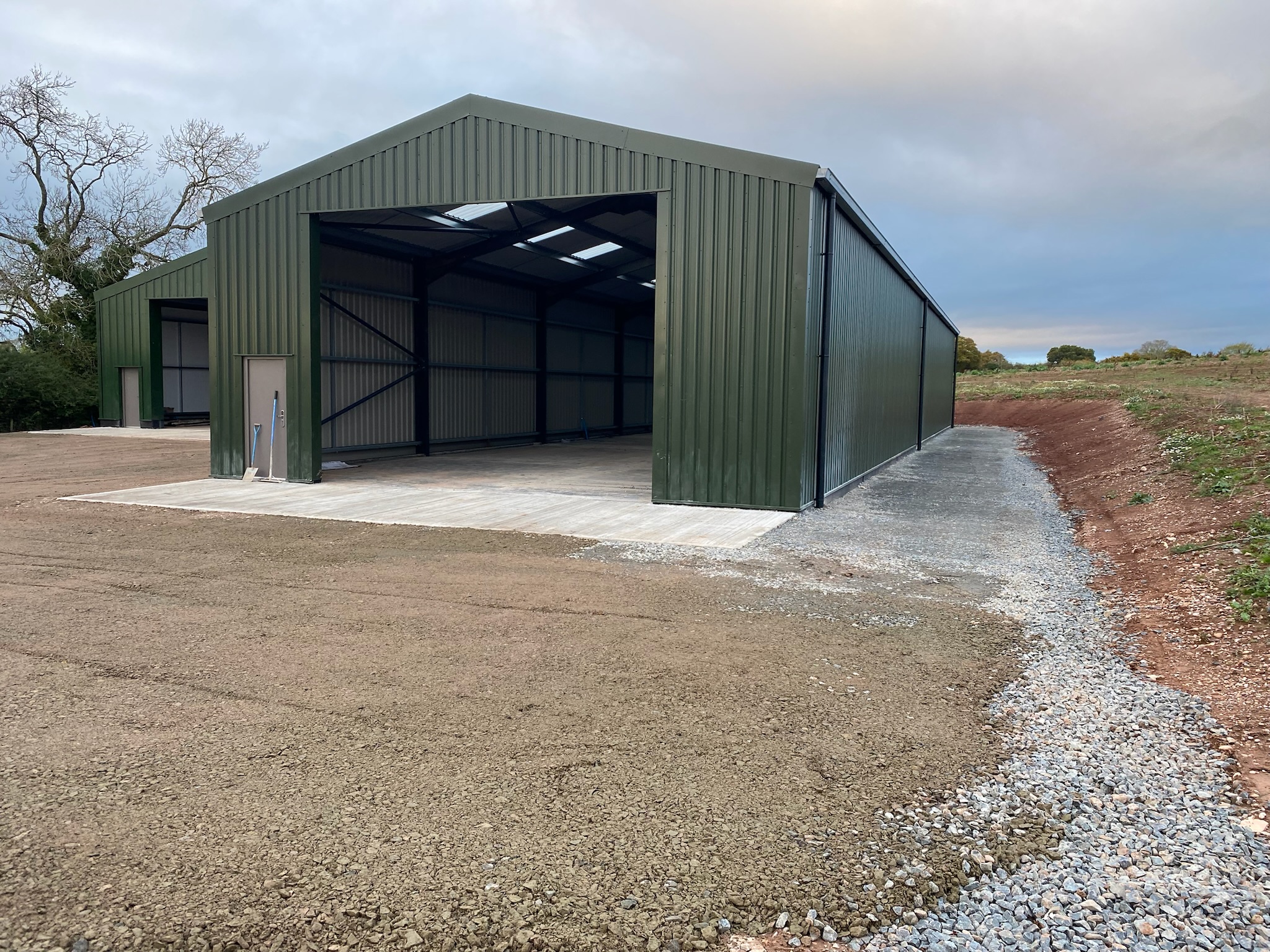
Before discussing any figures or producing drawings, it is helpful to spend time thinking through exactly what the building needs to do. A steel structure designed for storage today may later need to house machinery, livestock, or even staff facilities.
Those shifts in use are not unusual, and they can catch people out if the original brief is too narrow. Being honest about how the space will be used day to day often shapes everything that follows.
It is also worth considering how the site itself influences those requirements. Access for large vehicles, including turning circles, door heights, and internal clearances, may seem minor at first, but can quickly become significant limitations.
A custom steel structure allows flexibility here, although that flexibility only really works if the right questions are asked at the beginning.
Initial Budgeting and Cost Considerations
Budgeting for a custom steel building is rarely as simple as a single headline price. The overall cost is usually made up of design work, steel fabrication, cladding, insulation, groundworks, and installation.
Each element can move the total up or down depending on choices made along the way, which is why early estimates often come with a degree of uncertainty.
It may be tempting to focus on the lowest initial quote, but that approach does not always stand up well over time.
Cheaper materials, thinner cladding, or limited insulation might reduce upfront spend, yet they can lead to higher maintenance or energy costs later.
In many cases, paying a little more early on appears to result in fewer compromises down the line.
Design and Specification Process
Once the budget and requirements are roughly defined, the design stage begins to bring everything into focus. Engineers and designers translate practical needs into structural calculations, layouts, and specifications.
This stage can feel technical, although it is also where a building starts to feel genuinely bespoke rather than off the shelf.
Choices around steel grade, coatings, roof profiles, and wall systems all influence performance and longevity. Decisions on insulation, ventilation, and daylighting are often made here, too.
These elements may not be visible once the building is complete, yet they play a significant role in how comfortable and efficient the space is to use.
Planning Permission and Regulatory Requirements
Planning permission is an area that tends to raise concerns, particularly for first time investors. Some steel buildings may fall under permitted development, while others require full planning approval depending on size, location, and intended use.
Rural and agricultural settings often come with different considerations compared to commercial or industrial sites.
Alongside planning, building regulations must also be met. These rules cover structural safety, fire resistance, energy efficiency, and more.
The approval process can affect timelines, so it is sensible to factor this in early rather than treating it as an afterthought once designs are finalised.
Manufacturing and Lead Times
After designs are approved, the project moves into manufacturing. Steel components are fabricated to precise measurements, which helps reduce waste and improve accuracy during installation.
This stage is largely out of sight, although it plays a key role in the overall quality of the finished structure.
Lead times can vary depending on complexity, workload, and availability of materials. Seasonal demand may also influence schedules, particularly during busier construction periods.
Understanding these variables early helps set realistic expectations and avoids unnecessary frustration later.
Site Preparation and Groundworks
Before any steel arrives on site, preparation work needs to be completed. Ground conditions are assessed to determine suitable foundations, whether that involves concrete pads, strip foundations, or a full slab.
This stage is often where unforeseen challenges appear, especially on older or uneven sites.
Access is another practical consideration. Delivery vehicles, cranes, and installation teams all require sufficient space to operate safely.
Poor preparation at this point can lead to delays or additional costs, so it is an area that benefits from careful planning rather than quick decisions.
Installation and Construction Phase
The installation phase is usually quicker than people expect, particularly compared to traditional building methods.
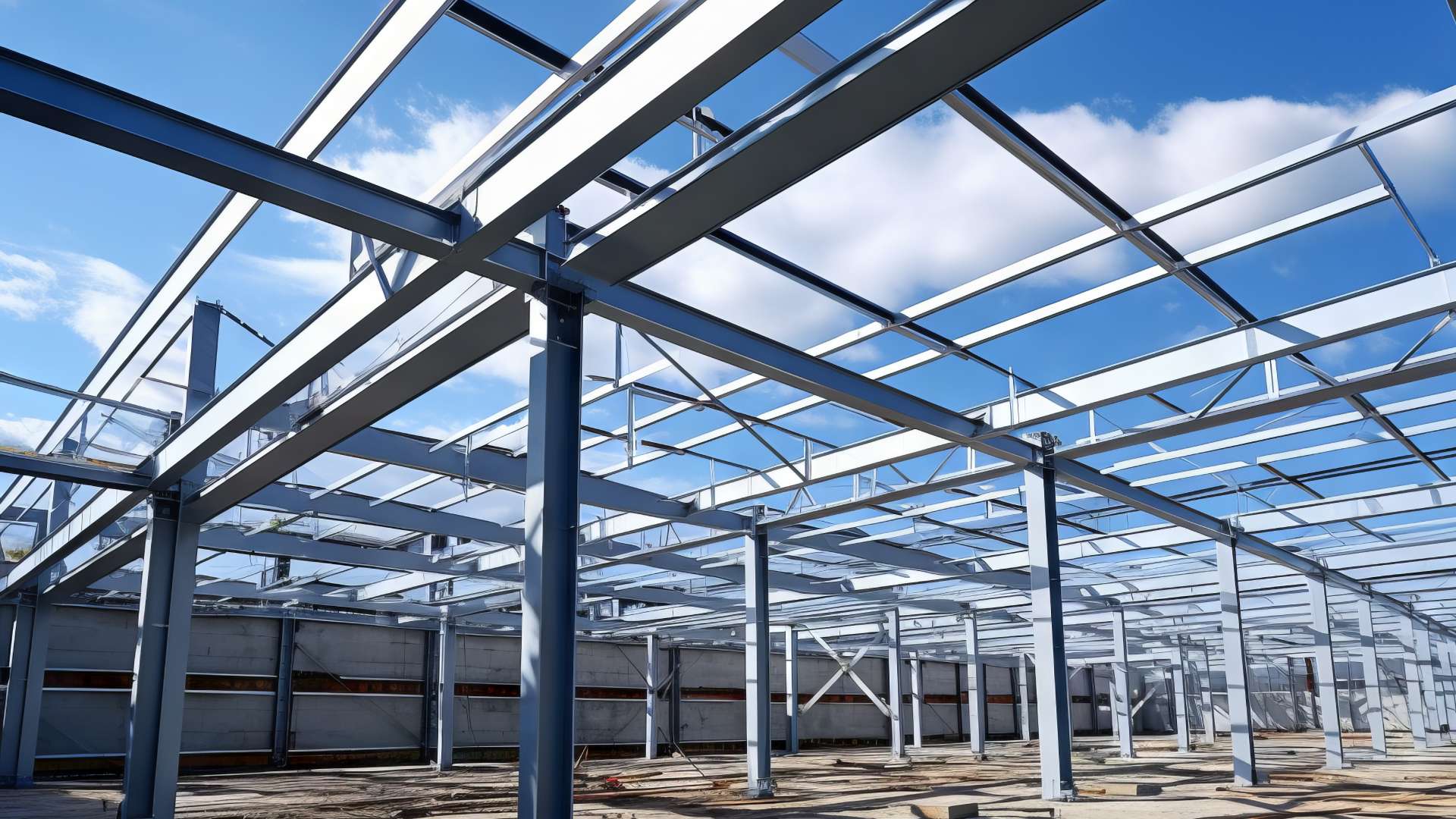
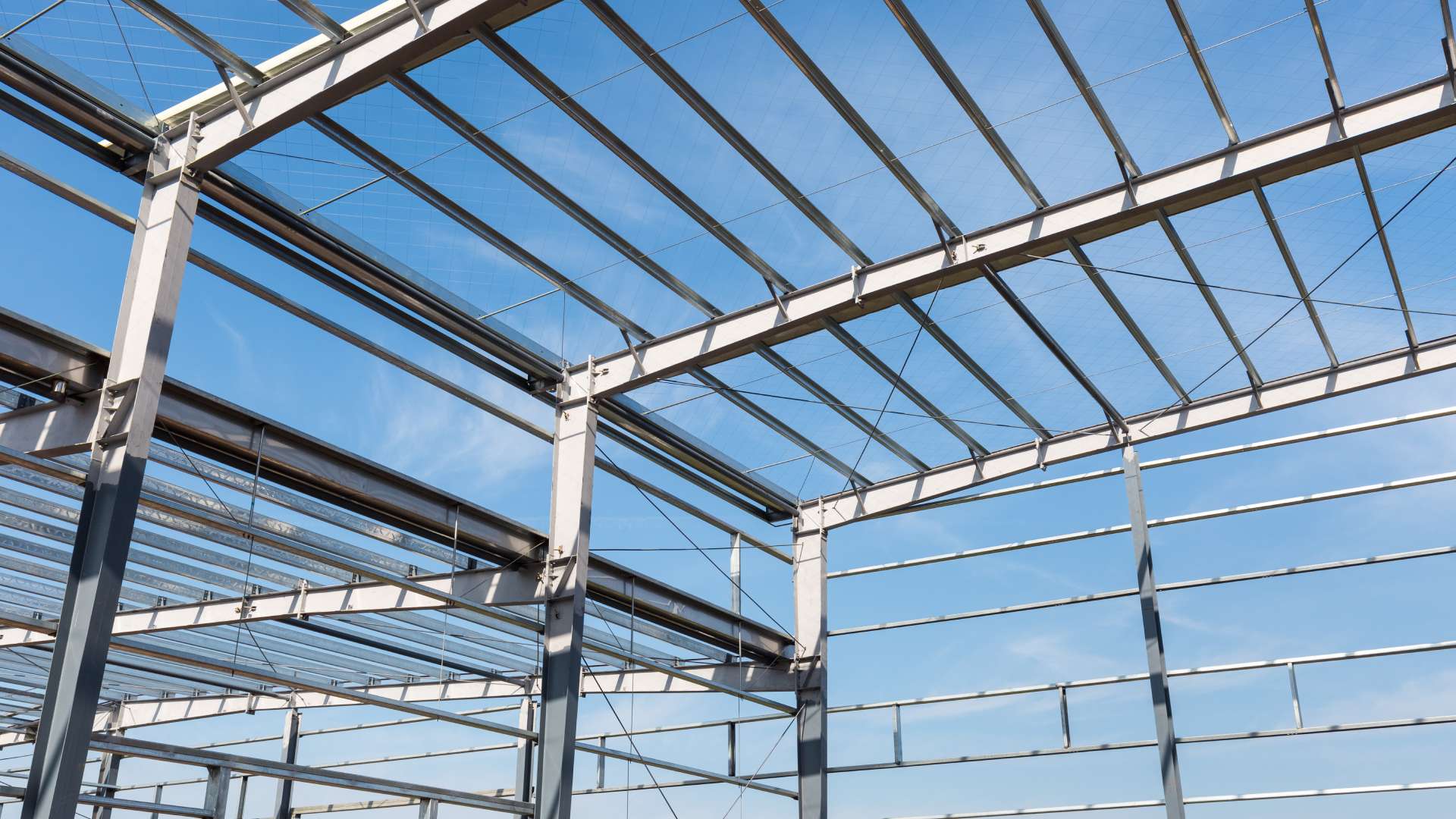
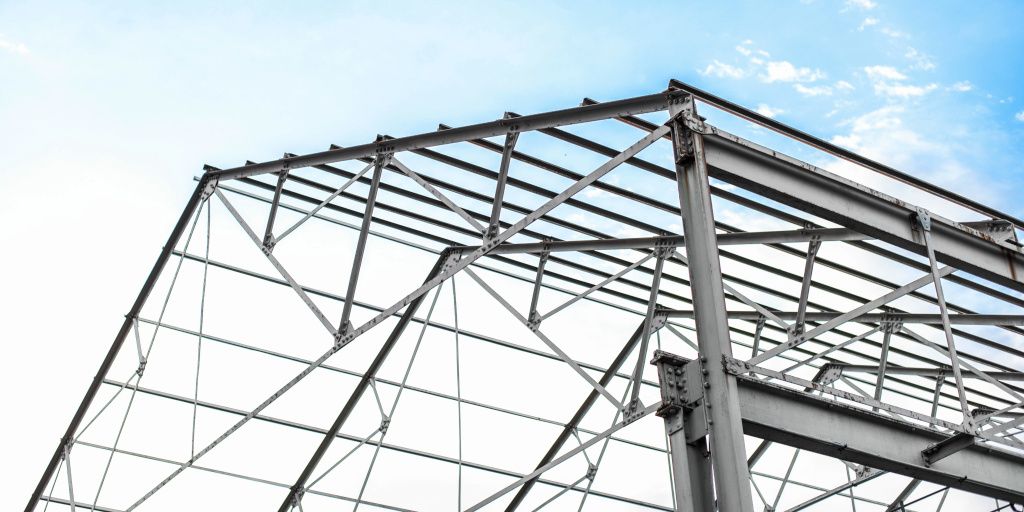
Once the steel frame is erected, the overall shape of the building becomes clear in a short space of time. For many clients, this is the first moment the investment feels tangible.
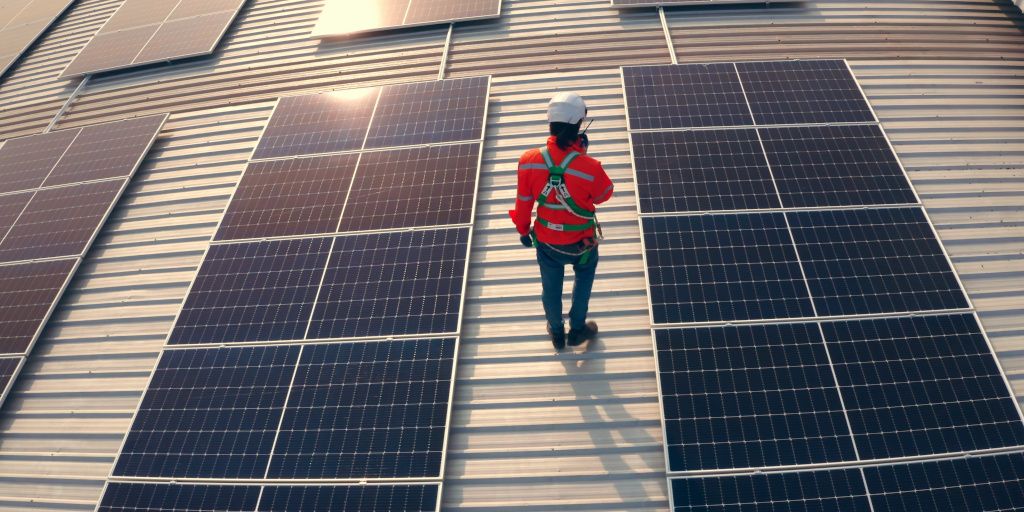
Health and safety is a central focus during construction. Clear communication between contractors and site users helps reduce disruption, especially where businesses continue operating nearby.
While the process is efficient, it still requires coordination to keep everything running smoothly.
Ongoing Maintenance and Running Costs
Steel buildings are generally known for their low maintenance requirements, although they are not completely maintenance free.
Regular inspections of coatings, fixings, and drainage systems help prevent small issues from developing into larger problems. These checks are usually straightforward to schedule.
Running costs also depend on design choices made earlier. Insulation quality, ventilation, and natural lighting all influence energy use.
Over time, a well-specified steel structure often appears cheaper to run than alternative building types, particularly in demanding environments.
Long Term Value and Return on Investment
One of the main reasons people invest in custom steel structures is their long lifespan. Steel buildings are durable, adaptable, and capable of being extended or reconfigured as needs change.
This flexibility can be especially valuable for growing businesses or evolving operations.
From a financial perspective, the return on investment is not always immediate, but it tends to be steady.
Reduced maintenance, efficient use of space, and the ability to repurpose the building later on all contribute to long term value. In many cases, the structure becomes an asset that supports growth rather than limiting it.