Steel frame sections are often designed for strength, span and efficiency on site. Those same qualities can make them awkward to move, especially when long rafters, columns, trusses or fabricated assemblies exceed what a standard vehicle can safely carry.
Abnormal load transport is not just about size. It is about planning the safest, most practical way to handle valuable steel components from fabrication yard to construction site, without damage, delay or avoidable risk.
Why steel frame sections can become abnormal loads
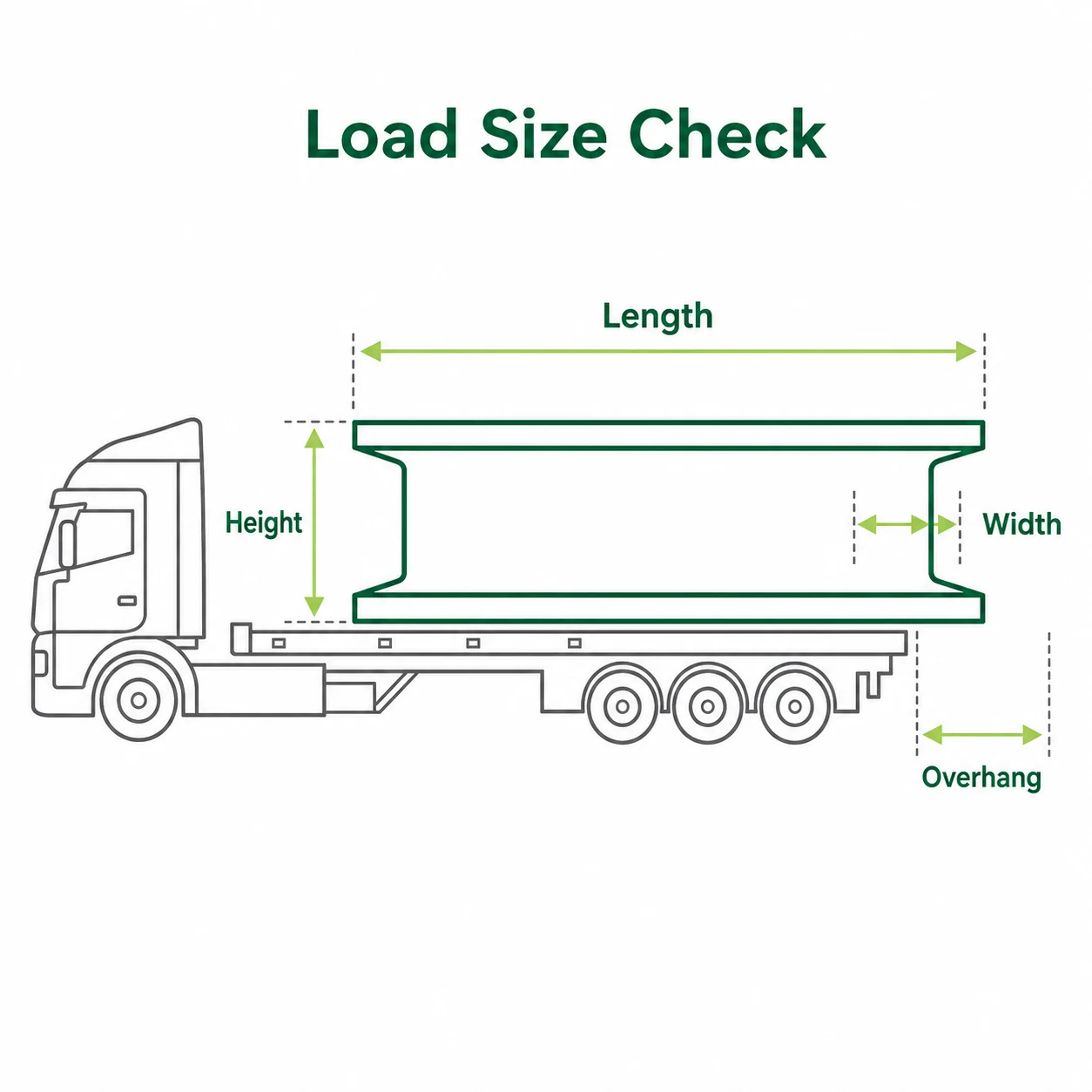
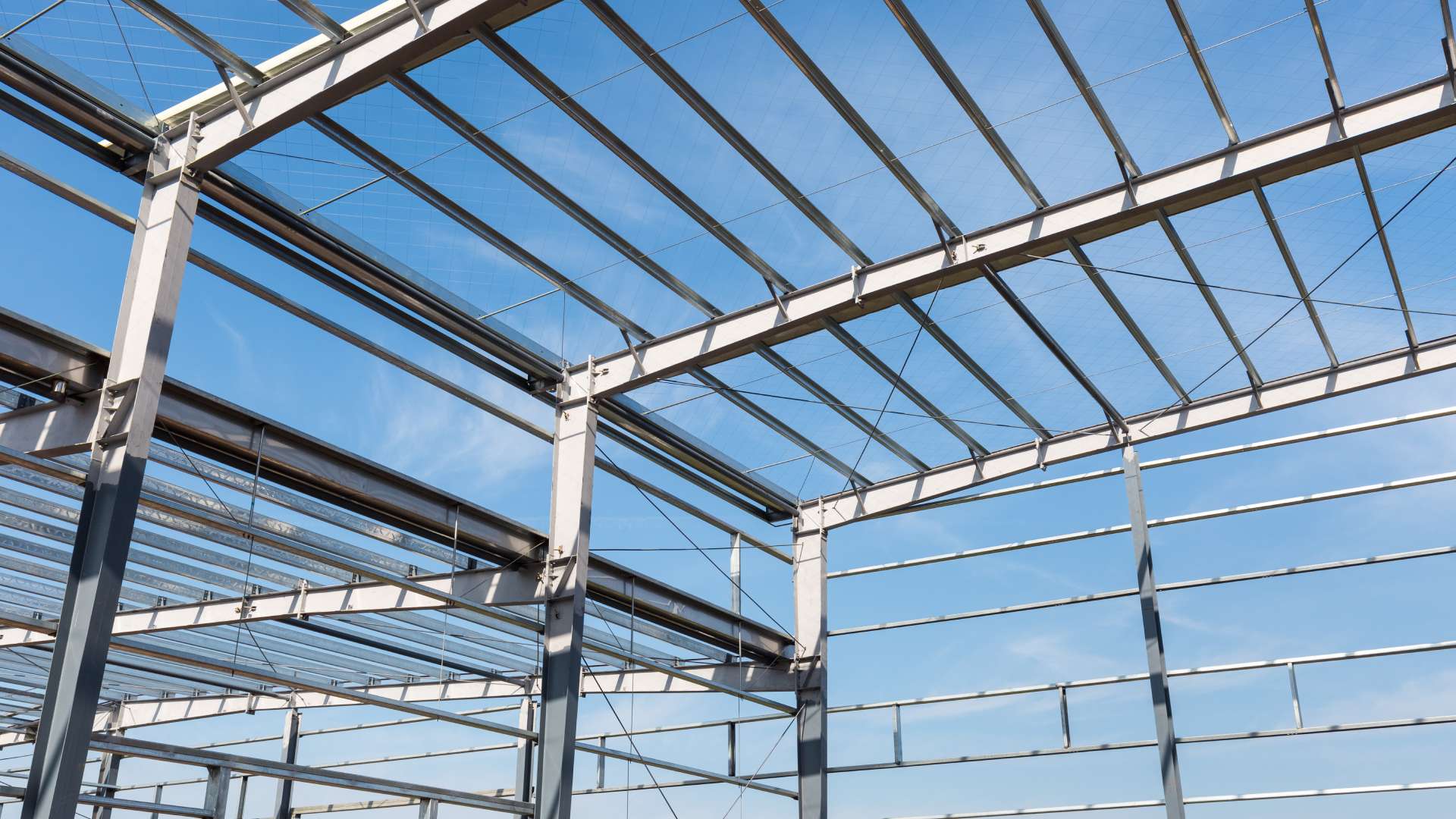
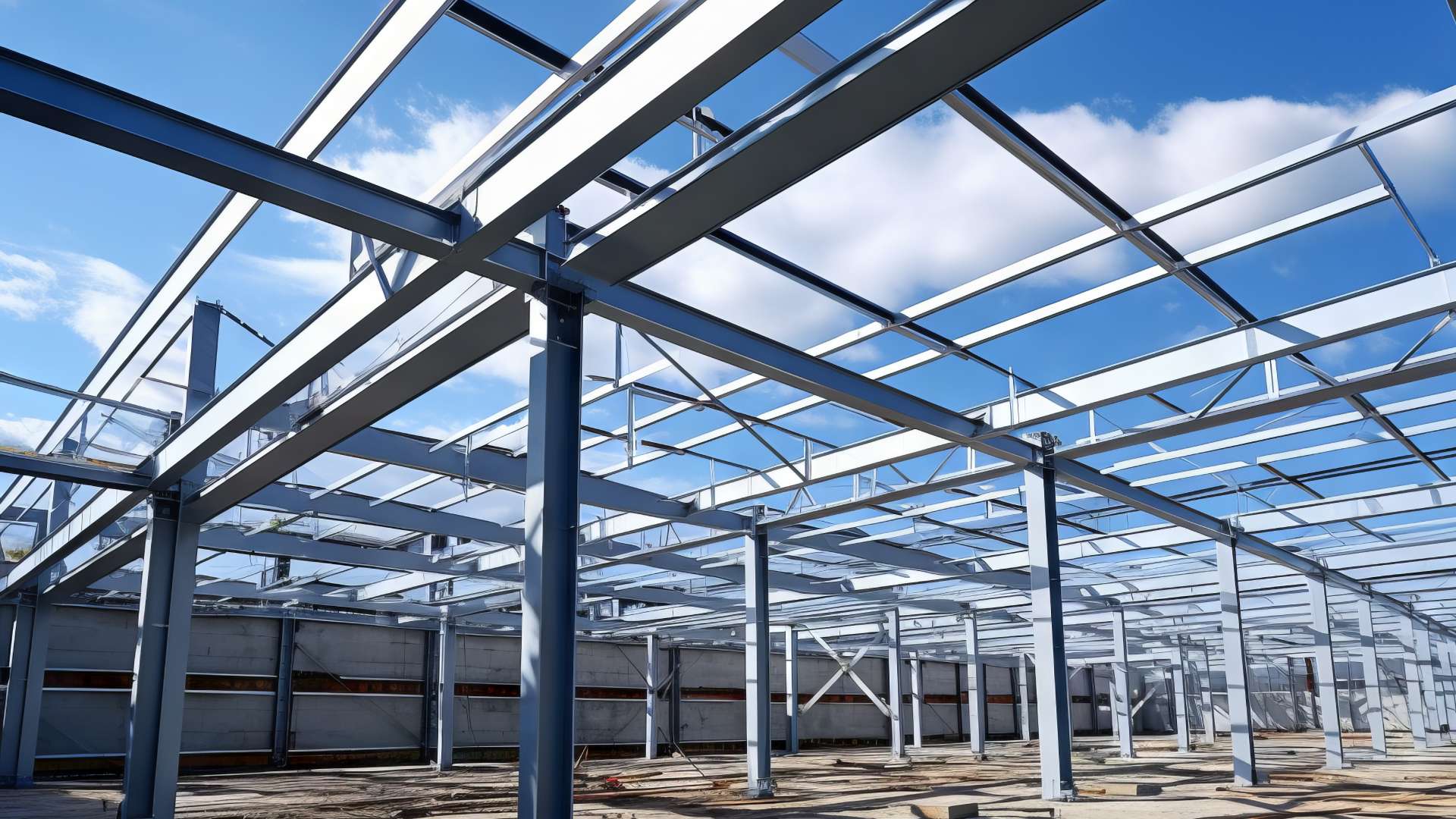
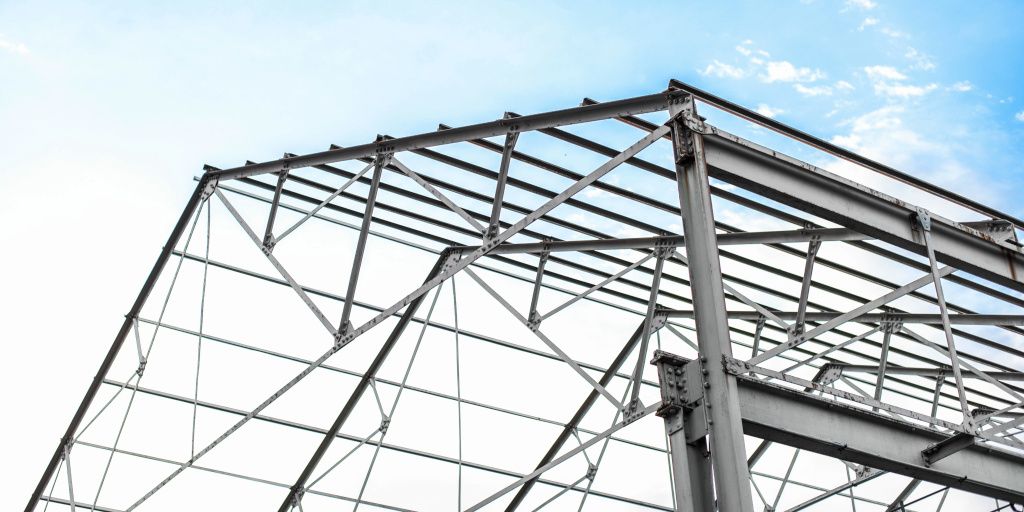
A steel frame building is usually made from a series of precisely fabricated components. Columns, rafters, eaves beams, bracing, purlins, sheeting rails and connection plates may all be produced to suit the span, height and duty of the finished structure. Some pieces can travel easily on a standard vehicle. Others need more careful handling because of their length, width, weight or shape.
A section may be classed as an abnormal load when it falls outside normal road transport limits, or when its dimensions make it unsuitable for ordinary haulage. Long steel rafters are a common example. They may not be exceptionally heavy, but their length can affect vehicle choice, turning space, route planning and the way the load is supported. Wide fabricated frames, unusual assemblies and heavy columns can create similar transport considerations.
The important point is that the need for abnormal load haulage is often known before anything leaves the yard. A good transport plan starts with the drawings, fabrication schedule and site programme. That allows the team to identify which sections can be grouped together, which need specialist trailers and which may need separate movement.
Why standard transport may not be suitable
Standard haulage works well for many building materials, but oversized steel frame components place different demands on the vehicle, the loading method and the route. A load that is too long may overhang the trailer. A load that is too wide may need special notification or route checks. A load with an uneven centre of gravity may need additional support points, spreader timbers, chains or straps positioned in a particular way.
Steel frame sections are also not simply raw material. They may have drilled connection holes, cleats, welded plates, protective coatings or prepared surfaces. Poor loading can twist a section, damage a finish or make unloading more difficult when the vehicle reaches site. That is why oversized components benefit from a coordinated approach rather than being treated as general freight.
Specialist operators look at the whole movement. That includes access at the collection point, safe lifting, the trailer bed, load restraint, route suitability and the receiving arrangements on site. For readers wanting a broader overview of what can make a load too large for ordinary haulage, the guide to what is considered a HGV large load explains the basic considerations in more detail.
How loading is planned before the vehicle arrives
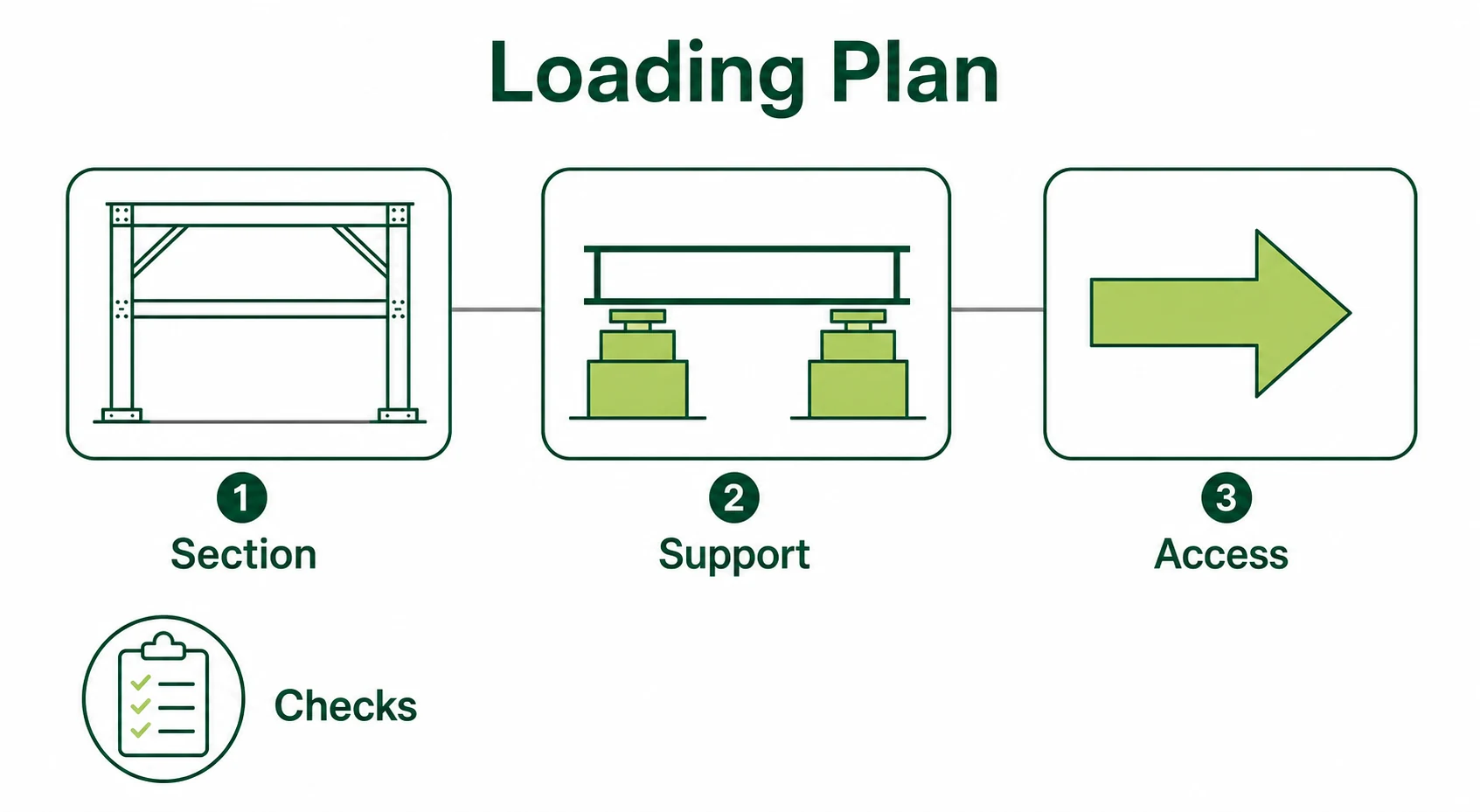
The loading stage is one of the most important parts of abnormal load transport for steel frame sections. If the components are not presented, lifted and secured correctly at the start, the journey becomes harder than it needs to be. Planning should begin with a clear list of the sections to be moved, their dimensions, their weights and any handling notes from the fabrication team.
Long components need support along the trailer so they do not flex excessively during handling or travel. Heavy sections need suitable lifting points and lifting equipment. Painted, galvanised or otherwise finished steel may need separation between pieces to help protect surfaces. Components that will be needed first on site should be loaded in an order that supports the erection sequence where possible.
Good loading also considers site safety. The team unloading the vehicle should be able to access lifting points without climbing over unstable materials or rearranging the load. Where cranes, telehandlers or other lifting equipment are being used, the transport and site teams need a shared understanding of how each section will be removed.
This is where a joined up service has real value. When the same team understands fabrication, steel frame erection and transport, practical decisions can be made earlier. The result is not just a compliant movement. It is a smoother handover from workshop to vehicle to site.
What abnormal load haulage needs to account for
Once a section is identified as needing abnormal load haulage, the job becomes a planning exercise as much as a driving task. The route must suit the dimensions of the load and the vehicle. Low bridges, tight turns, narrow access roads, weight restrictions and busy delivery points can all affect how the movement is planned.
Notifications, escorts and movement conditions depend on the nature of the load and the route. The details should be checked for each job rather than assumed. Some loads may need relatively simple arrangements. Others require more coordination because of their width, length, weight or the sensitivity of the delivery site.
Weather and site conditions can also influence how steel is handled. High winds may affect lifting plans for long sections. Soft ground may affect where vehicles can stand. Limited turning space may mean the vehicle has to arrive in a particular direction or at a specific point in the build programme. None of these issues are unusual, but they need to be thought through before the load is already on the road.
For a deeper look at the practical planning involved, Buildings UK has covered the challenges of abnormal load transport, including why preparation matters before oversized loads are moved.
How transport links with steel frame building projects
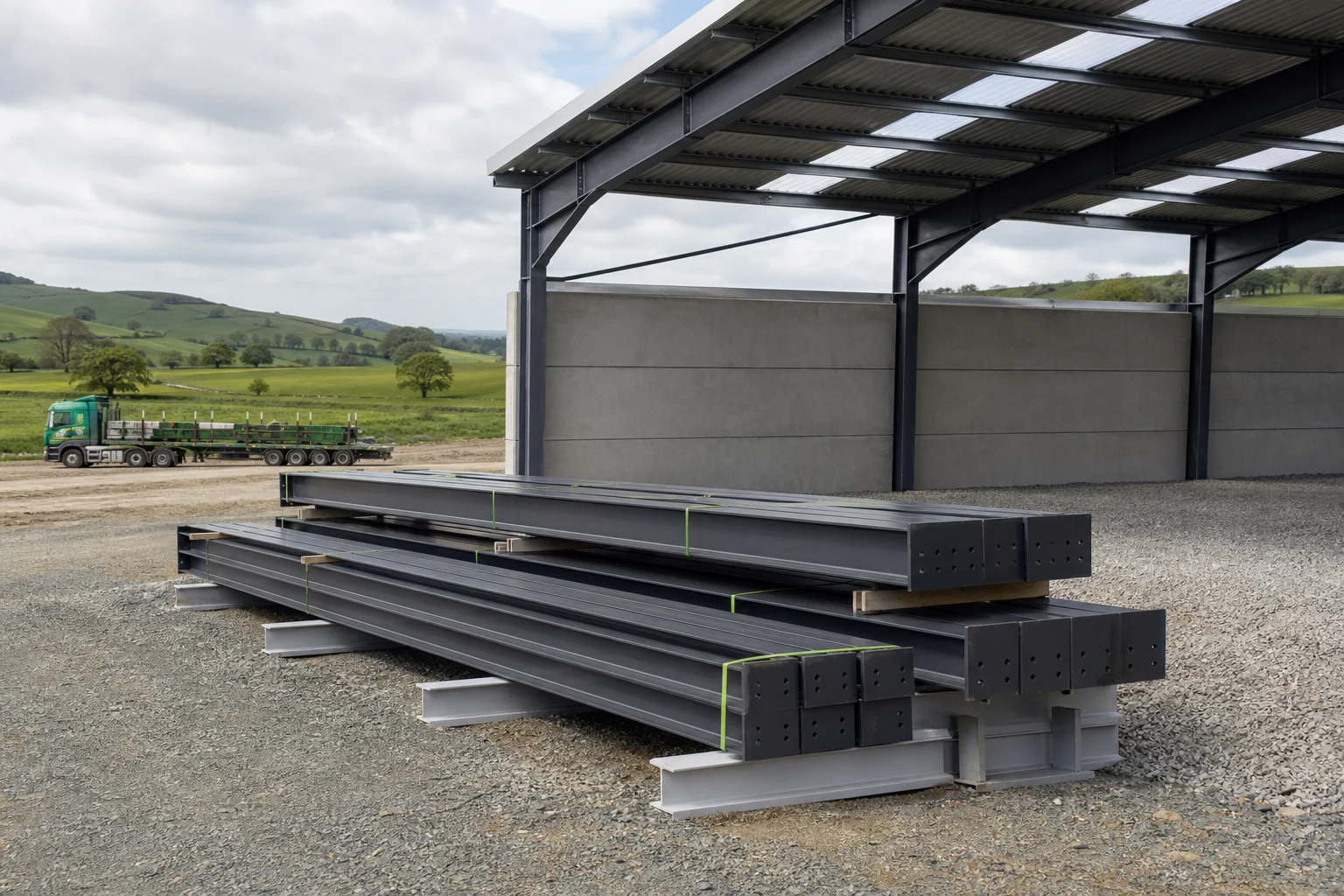
Abnormal load transport is often part of a wider steel frame building project. The way sections are designed, fabricated, delivered and erected all influence each other. A large building may have frames that are easier to fabricate in fewer pieces, but those larger pieces may need specialist transport. Splitting components into smaller sections can simplify transport in some cases, but it may add more site connections and erection work.
There is no single answer that suits every project. The best approach is usually decided by looking at the building design, access, programme, lifting method and transport requirements together. Early conversations can help avoid awkward compromises later.
This is especially relevant for agricultural and industrial steel framed buildings, where practical spans, clear working space, vehicle access and robust construction often matter. If you are planning a new structure, the information on steel framed buildings is a useful companion to transport planning, because it explains the type of building work that often sits behind these movements.
Transport is also linked to safety and compliance. Building components must arrive in a condition that allows safe erection. Loads must be restrained correctly. Site teams must be ready to receive them. A missed detail at any stage can affect the next stage, so coordination is not a luxury. It is part of doing the job properly.
When to involve a specialist transport team
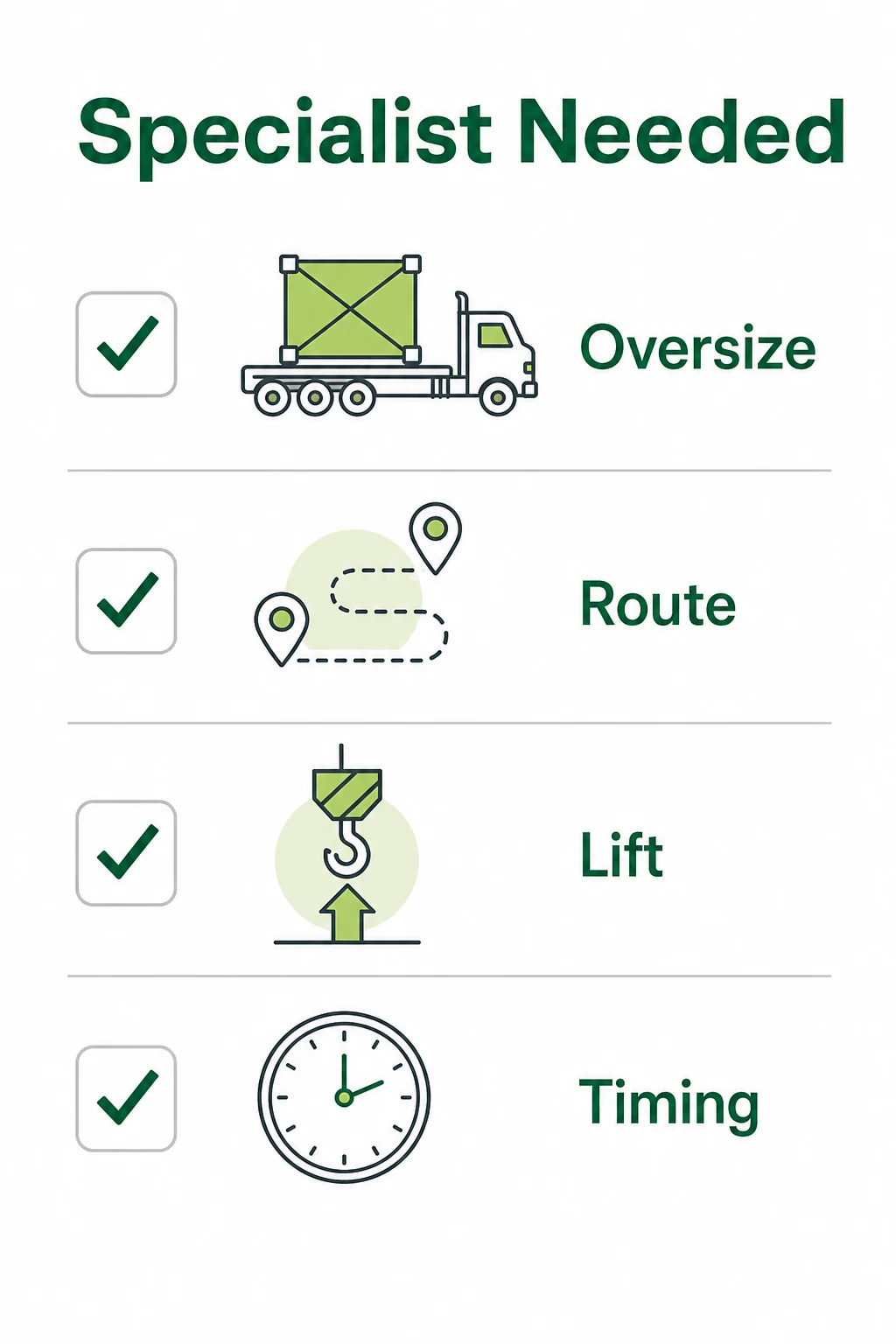
A specialist transport team should be involved as soon as a steel frame section looks likely to exceed normal vehicle limits, create access concerns or need careful sequencing with the build. Waiting until fabrication is complete can reduce options. Early planning gives more room to choose the right trailer, loading method, route and delivery timing.
It is also sensible to involve specialists when the load is valuable, awkwardly shaped or part of a tight construction programme. Even if the load does not seem extreme, steel frame components can be difficult to replace quickly if they are damaged or delivered in the wrong order.
A practical starting point is to gather the section drawings, weights, lengths, widths and site access details. From there, the transport team can advise whether standard haulage is suitable or whether abnormal load arrangements are needed. Buildings UK provides specialised transport for oversized steel frame components, helping projects move from fabrication to site with the right handling and haulage plan in place.
The aim is simple. The right steel arrives at the right time, in the right condition, ready for the next stage of the build.
- Steel frame sections may need abnormal load transport because of length, width, weight, shape or handling needs.
- Oversized steel components should be planned from drawings and fabrication schedules, not left until dispatch.
- Safe loading, restraint, route planning and site access are all part of a successful movement.
- Specialist haulage helps protect fabricated steel and supports a smoother erection sequence.
- Early transport input can improve coordination between the workshop, haulier and site team.
Frequently asked questions
What makes a steel frame section an abnormal load?
A section may become an abnormal load when its size, weight or shape falls outside normal road transport limits, or when it needs specialist handling to move safely. Long rafters, wide frames and heavy fabricated sections are common examples.
Can steel frame components travel on standard vehicles?
Some can, especially smaller beams, plates, purlins and rails. Larger or awkward sections may need specialist trailers, planned loading and abnormal load haulage arrangements.
When should transport be planned for a steel frame project?
Transport should be considered early, ideally while fabrication and site sequencing are being planned. This helps identify oversized sections, suitable trailers, route needs and unloading arrangements.
Why does loading order matter?
Loading order can affect how safely and efficiently sections are unloaded on site. If the first components needed for erection are buried underneath later items, the site team may have to handle the load more than necessary.
Planning a steel frame movement?
If oversized sections need careful handling, speak to the team about a practical transport plan that fits the build programme.