When planning a new steel building, you may come across the terms cold rolled steel and hot rolled steel.
At first glance, they sound like technical manufacturing details, but they can have a real impact on the type of building you choose. Both materials are widely used in construction, and both have their place, but they are not always suited to the same jobs.
For farmers, business owners, developers, and site managers, understanding the difference can make conversations around design, cost, and long-term performance much easier.
The right option may depend on the size of the building, how it will be used, the span required, the budget available, and whether the structure needs to handle heavy loads or more straightforward everyday use.
What Is Hot Rolled Steel?
Hot rolled steel is produced by heating steel to very high temperatures before shaping it into sections.
Because the steel is hot during the rolling process, it becomes easier to form into larger and heavier structural profiles. This is one reason it is so commonly associated with the main frames of larger steel buildings.
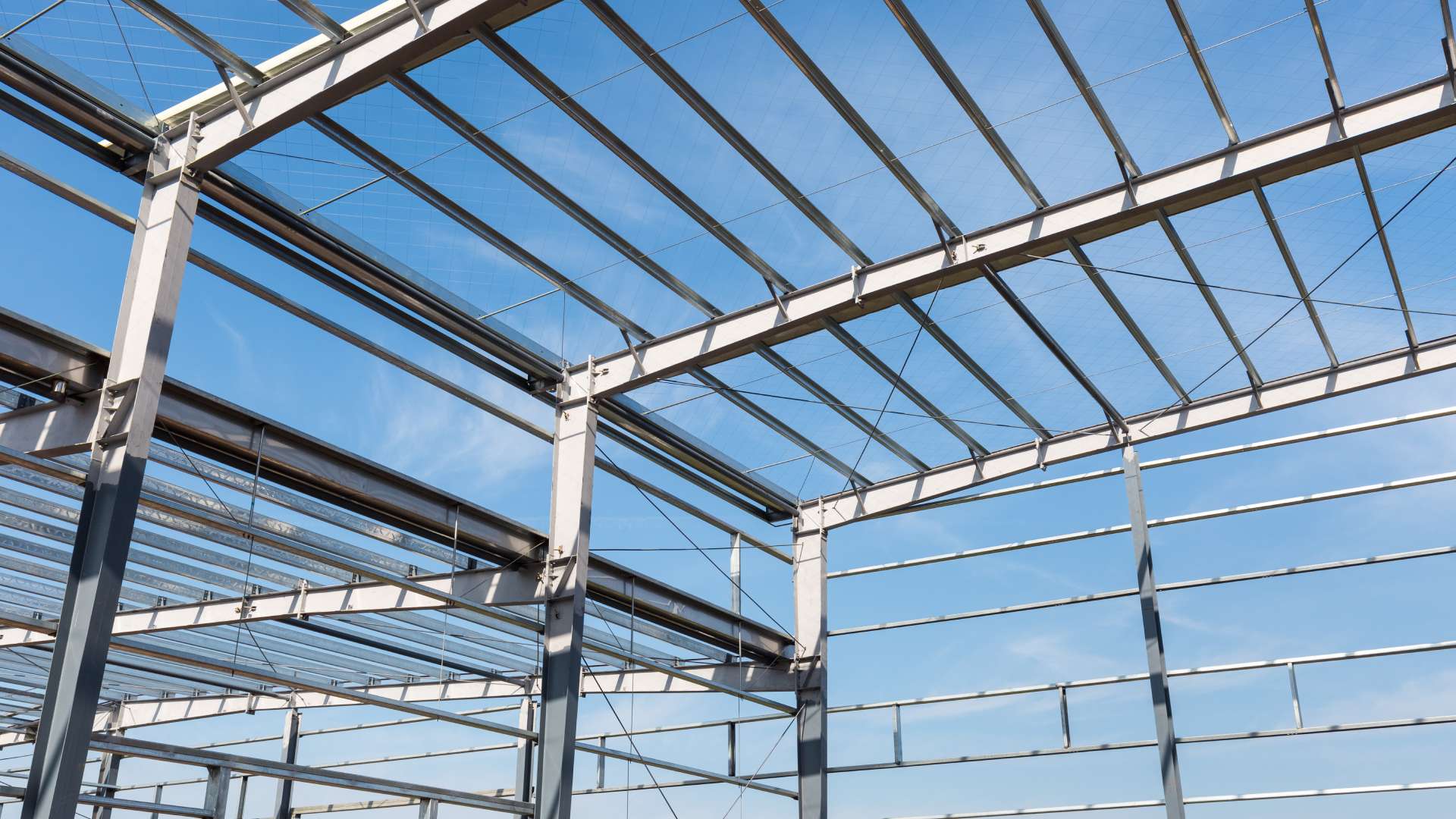
In construction, hot rolled steel is often used where strength and load-bearing capacity are key. You will usually find it in agricultural buildings, industrial units, warehouses, commercial workshops, and other structures that need wide spans or fewer internal columns.
It is a practical choice where the building needs to feel solid, long-lasting, and capable of handling demanding use.
What Is Cold Rolled Steel?
Cold rolled steel is processed differently. It is generally formed or finished at, or close to, room temperature after the steel has already been produced.
This extra processing can create a more precise section, often with a smoother finish and a lighter profile compared with many hot rolled structural sections.
In steel building construction, cold rolled steel is frequently used for secondary steelwork and lighter components.
This might include purlins, side rails, cladding supports, smaller framing systems, and parts of a building where accuracy and reduced weight are useful. It can be a sensible choice, although it does not automatically mean it is right for every main structural frame.
How the Manufacturing Process Differs
The simplest way to understand the difference is this: hot rolled steel is shaped while it is hot, while cold rolled steel is processed after cooling.
That change in process affects the final shape, finish, weight, and typical use of the steel. Hot rolling is well suited to producing larger sections that can handle more substantial structural demands.
Cold rolling, by contrast, tends to produce lighter and more precise sections. That can be helpful when the steel needs to fit neatly with cladding, roofing, or other components.
However, because the sections are usually lighter, they may have limitations when it comes to larger spans or heavy-duty structural requirements.
Strength and Structural Performance
Hot rolled steel is generally used where the main frame needs to take significant loads.
This can include the weight of the roof, cladding, equipment, snow loads, wind loads, and any additional forces the building may face over time.
For larger buildings or structures with wide open spaces, hot rolled steel is often the more suitable option.
Cold rolled steel can still be strong, but it is often used in a different way. Rather than forming the main frame of a large industrial or agricultural building, it is commonly used for supporting elements.
In some smaller or lighter buildings, cold rolled steel systems may be appropriate, but the suitability depends heavily on the design, site conditions, and intended use.
Cost Differences
Cold rolled steel can sometimes be more cost-effective for lighter buildings or certain components because it uses less material and is easier to handle on site. Reduced weight may also help with transport and installation in some cases.
For smaller buildings, this can make it an attractive option, especially where the structural demands are fairly modest.
Hot rolled steel may cost more in some situations because the sections are heavier and can involve more fabrication, lifting, and transport considerations. That said, cost should not be judged only by the upfront price of the steel.
If the building needs wider spans, greater strength, or a longer service life under tougher conditions, hot rolled steel may prove to be the more practical choice.
Design Flexibility and Building Size
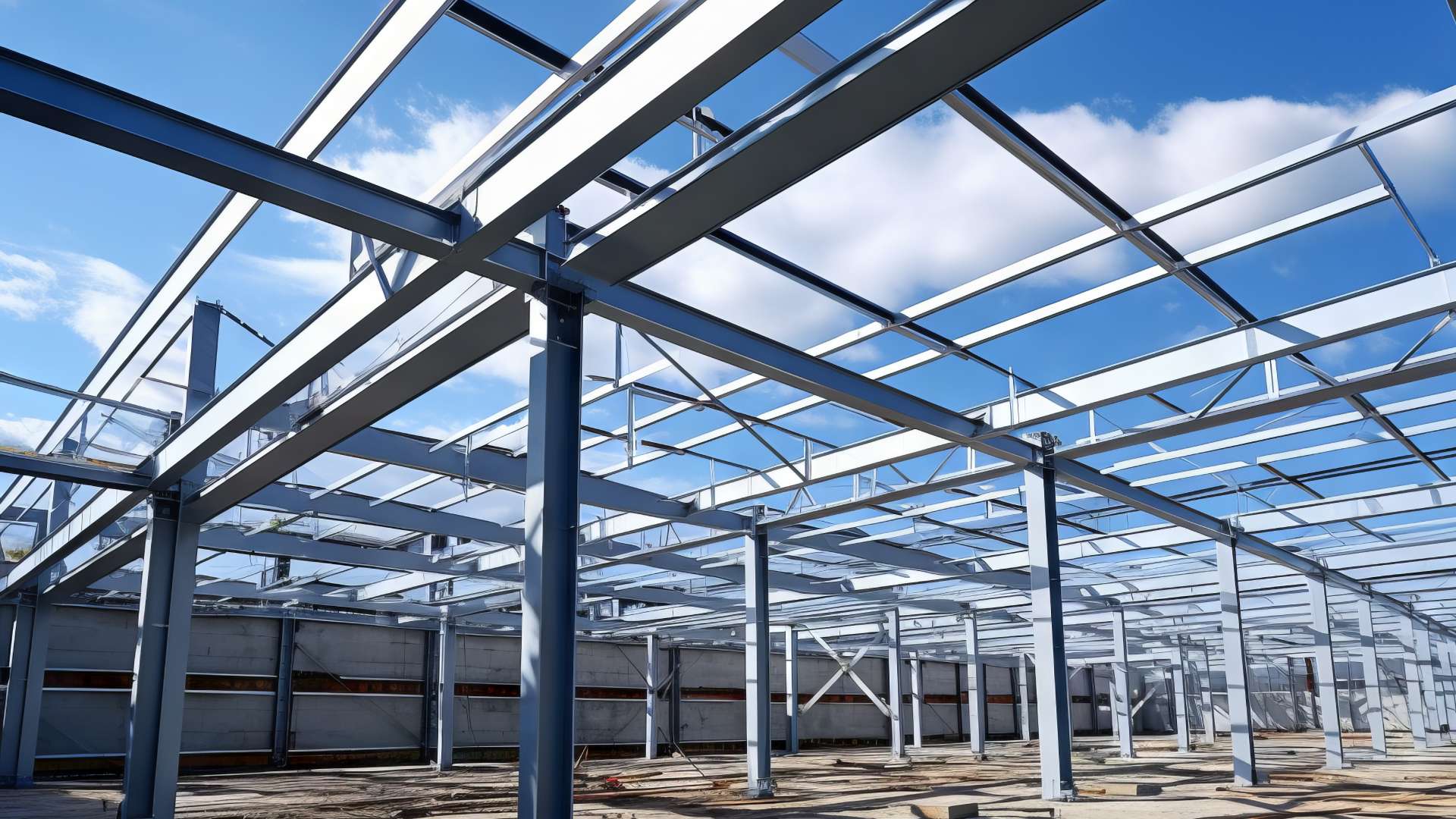
Hot rolled steel is often preferred for larger buildings because it can support wide spans with fewer internal columns.
That matters when you need open floor space for machinery, vehicles, livestock, racking, grain storage, or manufacturing equipment. A clear span design can make the building far easier to use once it is finished.
Cold rolled steel may be better suited to smaller buildings, lightweight frames, extensions, or secondary parts of a larger structure. It can work well where precision, speed, and reduced weight are useful.
However, it may not offer the same flexibility for large open spaces, particularly if the building needs to carry heavier loads or meet more demanding structural requirements.
Durability and Long-Term Use
Both hot rolled and cold rolled steel can be durable when the building is properly designed, protected, and maintained. The type of steel is only one part of the picture.
The coating system, installation quality, ventilation, drainage, and exposure to moisture or chemicals all play a role in how well the building performs over time.
This is especially important in agricultural and industrial settings. Livestock buildings, grain stores, workshops, and storage units can all face challenging conditions.
Good corrosion protection, suitable cladding, careful detailing, and regular checks may help extend the life of the structure and reduce the risk of avoidable problems.
Where Each Type Is Commonly Used
Hot rolled steel is commonly used for the main frames of agricultural sheds, warehouses, industrial buildings, commercial units, storage facilities, and large workshops.
It is often chosen where the building needs strength, stability, and the ability to support larger spans. For many substantial steel framed buildings, it forms the backbone of the structure.
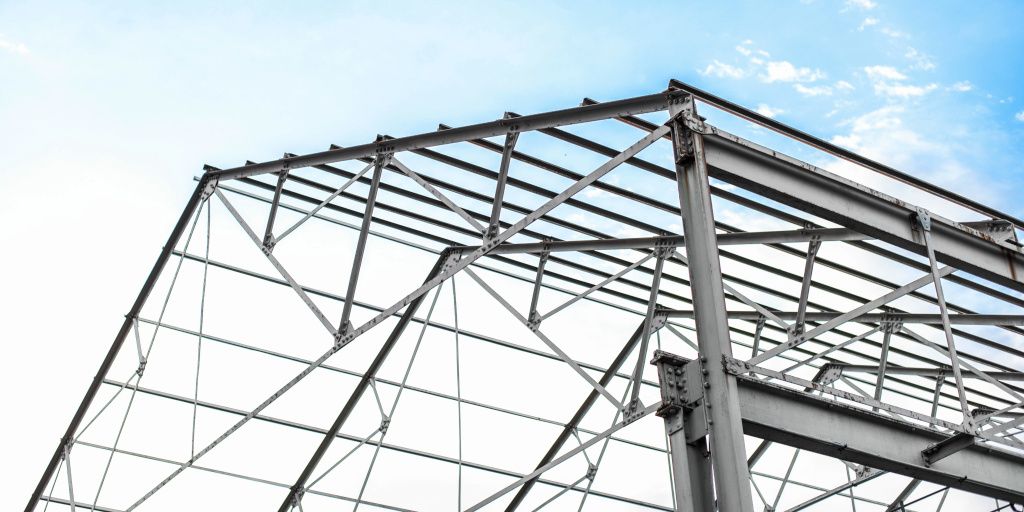
Cold rolled steel is more commonly used for purlins, roof supports, side rails, cladding rails, lightweight structural systems, and other supporting elements.
In many buildings, it works alongside hot rolled steel rather than replacing it completely. This combination can give the structure the strength it needs while keeping secondary components lighter and more efficient.
Which Option Is Best for Your Building?
There is no single answer that applies to every project. The best choice depends on what the building needs to do. A small storage unit, a livestock building, a grain store, and a large industrial workshop may all require different approaches, even though they are all steel buildings.
In many cases, the final design may use both hot rolled and cold rolled steel.
Hot rolled steel might form the main frame, while cold rolled steel is used for purlins, side rails, and cladding supports. This is often a practical way to balance strength, efficiency, cost, and ease of installation.
Why Professional Design Advice Matters
Choosing between cold rolled and hot rolled steel should not be based on price alone.
A building needs to be designed around its loads, location, size, use, wind exposure, access requirements, and future plans. Cutting corners at the design stage may seem cheaper at first, but it can create problems later.
Working with an experienced steel building supplier helps make sure the structure is suitable for its purpose.
At Buildings UK, advice can be based around the site, the intended use of the building, the required span, and the customer’s budget. That makes it easier to choose a solution that works in practice, not just on paper.
Conclusion
The main difference between cold rolled and hot rolled steel buildings comes down to how the steel is processed and how it is typically used.
Hot rolled steel is commonly chosen for heavier structural frames and larger buildings, while cold rolled steel is often used for lighter, more precise sections and secondary components.
For many projects, the best solution may not be one or the other. It may be a carefully designed combination of both.
Before deciding on a steel building system, it is worth getting proper advice so the structure is designed around your site, your budget, and the way the building will actually be used.