What affects the service life of industrial roof coatings?
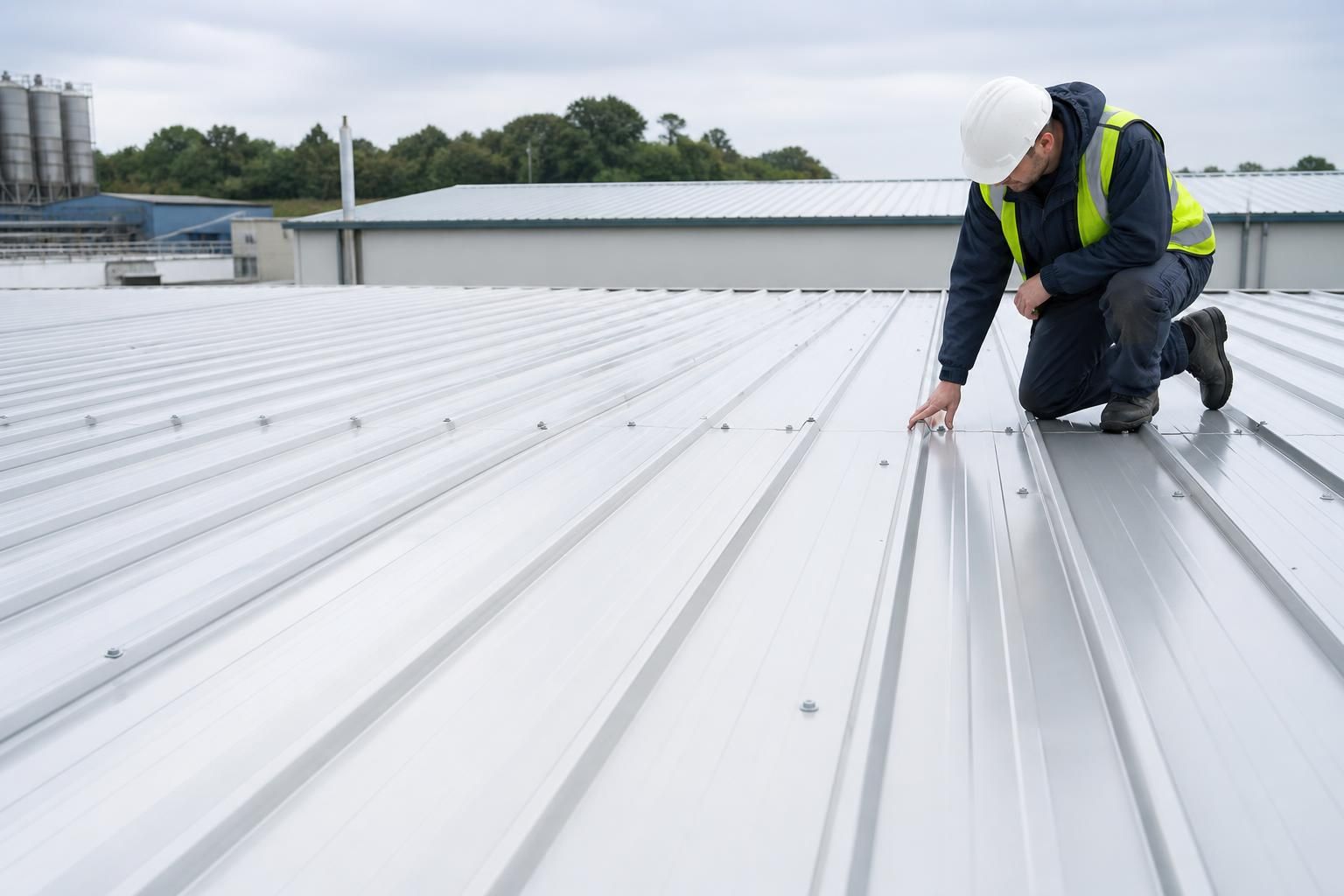
The service life of an industrial roof coating depends mainly on the condition and preparation of the roof, the coating system’s suitability, exposure to weather and pollutants, and the quality of application. Regular inspections and prompt repair of damage can help preserve the coating’s protective performance.
The service life of an industrial roof coating is the period during which it remains sufficiently continuous, bonded and flexible to protect the roof beneath it. Beyond the initial roof condition and coating application, longevity is strongly influenced by the building’s use, moisture behaviour, roof movement, drainage, physical loading and the way details such as laps and penetrations are managed.
Building use and internal conditions
The atmosphere inside a building can affect a coating as much as the external environment. Condensation, high humidity, process steam and repeated changes in internal temperature can keep the underside of the roof system damp. In agricultural buildings, moisture and corrosive vapours from livestock, manure or stored materials may be significant. Industrial processes can introduce chemicals that attack particular coating types, even where the outside of the building appears relatively clean.
The intended use should therefore be considered when selecting a coating system. A product suitable for a general storage building may not provide the same service life in an animal housing unit, manufacturing area or facility where chemical vapours are present.
Roof movement and flexibility
Steel roof sheets expand and contract as their temperature changes. They can also move slightly under wind loading, building vibration and changes in structural loading. If the coating cannot accommodate this movement, it may develop hairline cracks, split around fixings or lose adhesion at sheet laps. These defects allow moisture to reach the steel and reduce the coating’s protective value.
Movement is particularly important at junctions between different materials and around penetrations for rooflights, flues, vents and plant. Flexible detailing at these locations is often more durable than treating the roof surface alone.
Drainage and standing water
Water that drains freely places less sustained stress on a roof coating than water that remains on the surface. Ponding can occur because of deflection, blocked outlets, inadequate falls or changes made to the roof after the coating was installed. Persistent moisture can soften or undermine some coating systems and may expose small defects to repeated wetting and drying.
Gutters, valleys, outlets and edge details are consequently important to the coating’s overall service life. A sound surface coating cannot compensate for a drainage arrangement that repeatedly leaves water against laps, fixings or exposed edges.
Foot traffic and mechanical damage
Industrial roofs are often accessed for plant maintenance, inspections, cleaning or work on roof-mounted equipment. Regular walking, dragging tools, dropped objects and contact with ladders can wear or puncture a coating. Traffic routes around access points and service equipment are more likely to deteriorate than areas that are not disturbed.
Where access is unavoidable, designated walkways, suitable protection and clear restrictions on unsupported foot traffic help prevent local damage. A coating intended for weather protection should not automatically be treated as a traffic-bearing surface.
Coating thickness, curing and system compatibility
Service life also depends on the coating system being built to the required film thickness and allowed to cure under appropriate conditions. Thin or uneven areas leave less protection over high points, edges and textured sheet profiles. Applying a new material over an incompatible existing coating can result in wrinkling, blistering or premature peeling.
Technical information for the proposed system should be checked for substrate compatibility, minimum and maximum application conditions, curing requirements and performance in the building’s particular environment. The complete system matters: primer, intermediate layers and finish coats need to work together rather than being selected independently.
Roof details and vulnerable areas
Coating failure often begins at details rather than across the main roof plane. Exposed fastener heads, sheet edges, end laps, side laps, penetrations, parapets and changes in level can experience greater movement or retain moisture. Areas around rooflights may also receive more maintenance traffic and physical contact.
These locations need appropriate detailing and should be considered separately when assessing the likely lifespan of the overall system. The roof may still look sound from ground level while localised failures are developing at these points.
How to assess expected service life
There is no single service-life period that applies to every industrial roof coating. A realistic assessment should consider:
- the type and age of the roof sheets;
- the building’s internal temperature, humidity and chemical exposure;
- the frequency and nature of roof access;
- drainage performance and the likelihood of standing water;
- movement at joints, laps and penetrations; and
- the specification and compatibility of the complete coating system.
For an existing roof, these factors should be reviewed before a recoating specification is chosen. The most durable result comes from matching the system and its detailing to the building’s actual use, rather than treating every industrial roof as the same type of surface.
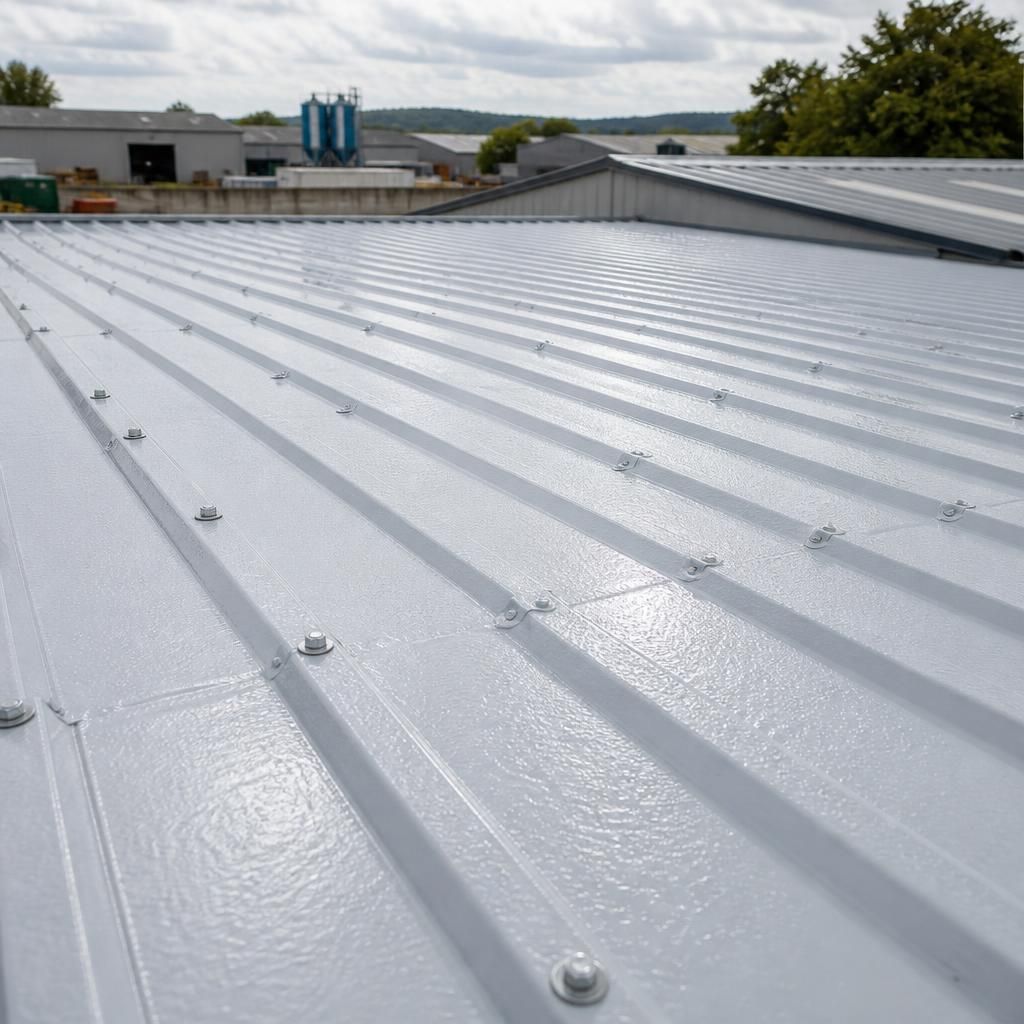
External exposure can shorten the service life of an industrial roof coating unevenly across the building. Roof slopes facing strong sunlight may experience greater ultraviolet degradation and thermal cycling, while shaded areas, north-facing slopes and locations beneath overhanging trees may remain damp for longer. Wind-driven rain can also concentrate moisture at exposed edges, laps and roof penetrations.
Nearby pollution and airborne contaminants should be considered as well. Dust, industrial deposits and organic debris can retain moisture or affect the coating surface if they are allowed to accumulate. Inspection should therefore assess different roof elevations and sheltered details separately, rather than judging the coating’s condition from one accessible area.
Discuss your industrial roof coating requirements
Contact Buildings UK Ltd to discuss your industrial roof coating requirements and the conditions affecting your roof’s service life. A site-specific review can help determine whether recoating is appropriate and what should be considered in the specification.