Steel Roofing Sheet Prices: UK Guide
Steel roofing sheet prices depend on profile, thickness, coating, dimensions, quantity and project requirements. This guide explains the main cost drivers, compares practical options, and outlines what to confirm before ordering sheets for agricultural, industrial or equestrian buildings.
Questions About Steel Roofing Sheet Prices
When are steel roofing sheets the most economical option?
Steel roofing sheets suit agricultural, industrial and equestrian buildings where durable, lightweight coverage, straightforward installation and adaptable profiles matter. Confirm span, pitch, environment, insulation and drainage requirements before selecting materials.
Should roofing sheet prices be compared by area or by sheet?
Compare prices by usable roof area, not sheet count alone. Sheet dimensions, side laps, end laps, cutting waste, overlaps and trims affect the quantity required and the final project cost.
Can steel roofing sheets be used for roof refurbishment projects?
Yes, steel roofing sheets can support refurbishment where existing structures, fixings, alignment and drainage are suitable. Survey the roof first, then confirm measurements, profile compatibility, condition and insulation requirements carefully.
Do insulated steel roofing sheets cost more than single-skin sheets?
Yes. Insulated panels usually cost more initially than single-skin sheets because they combine external and internal skins with insulation. They can, however, reduce separate insulation and lining requirements during construction.
Does order quantity affect steel roofing sheet prices?
Larger orders may reduce the unit cost through production efficiencies, but total expenditure rises with quantity. Compare required coverage, delivery arrangements, storage capacity and potential surplus before placing an order.
Comparing Roofing Sheet Options for Different Projects
Steel roofing sheet choices vary by profile, material, coating, insulation compatibility and spanning requirements. Comparing single-skin, insulated and specialist systems helps match appearance, thermal performance, durability and installation scope to the building brief.
Single-Skin Profiled Sheets
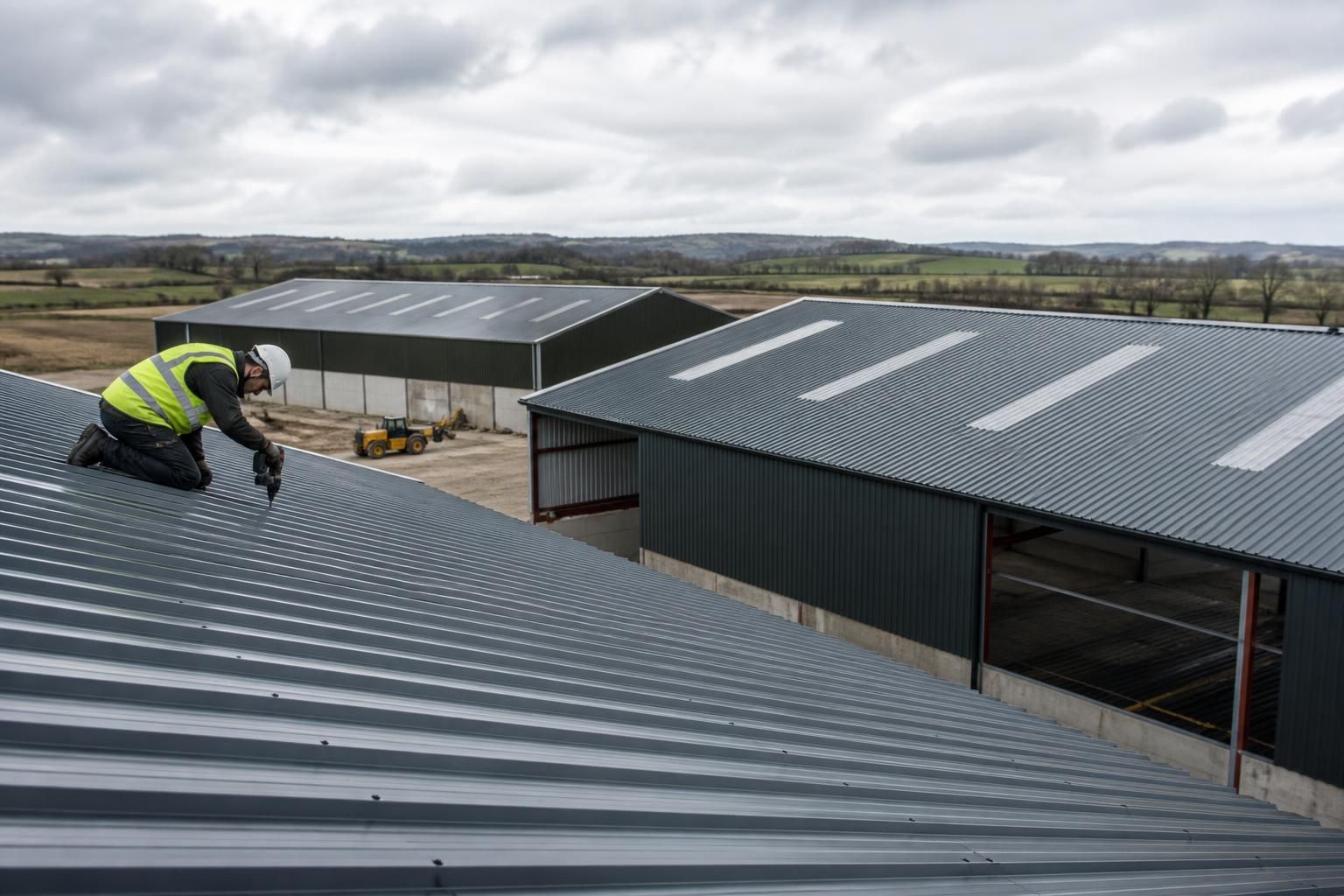
Single-skin sheets are usually the simplest and most economical roofing option for buildings where insulation is not a primary requirement. They suit agricultural stores, shelters and unheated areas, with the final price influenced by steel thickness, profile, coating, sheet length and associated fixings. Condensation control and ventilation should be considered during specification.
Insulated Composite Panels
Insulated panels combine external and internal steel faces with a rigid insulation core, reducing the need for separate roof layers. They are suited to industrial, agricultural and equestrian buildings where temperature control, condensation management and a finished internal lining are important. Their higher material cost reflects greater thermal performance and a more integrated installation.
Corrugated Roofing Sheets
Corrugated sheets provide a traditional, lightweight appearance and can be appropriate for agricultural or heritage-influenced projects. Their curved profile affects the visual character, lap arrangement and fixing requirements. Check the required sheet lengths, roof pitch, end laps and compatibility with the supporting structure before comparing prices.
Specialist Architectural Profiles
Standing-seam and other architectural profiles prioritise clean lines, concealed or less visible fixings and a controlled external appearance. They can be considered for industrial buildings, commercial projects and designs where roof aesthetics are significant. Costs depend on the profile, material specification, detailing, flashings and installation method, so they should be assessed as a complete roof system rather than by sheet price alone.
What Your Roofing Sheet Price Should Cover
A reliable steel roofing sheet price comparison begins with the building specification: dimensions, roof geometry, loading requirements, profile, thickness and finish. These factors show whether a quotation suits the project, rather than presenting only a material price.
Check whether delivery, accessories and installation are itemised. This breakdown makes quotations easier to assess and identifies requirements that may alter the final figure.
Specification-Aligned Roofing
Roofing sheet choices should suit the supporting purlins, frame arrangement and intended building use, helping the quotation reflect the complete roof structure rather than sheets in isolation.
Bespoke Design Package
Planning elevation drawings and isometric fabrication blueprints provide a clear design reference for coordinating the roof, frame and associated structural details.
CE-Marked Steelwork
Buildings UK supplies British made CE marked hot rolled steel framed buildings and structural steelwork for agricultural, industrial and equestrian projects.
Worcestershire Manufacture
Manufacturing in Worcestershire supports the production of bespoke structural steelwork to the agreed project design.
National Delivery Planning
Delivery can be considered as part of the project quotation for building work undertaken nationally, with transport requirements assessed alongside the building specification.
Kit or Full Erection
Customers can choose a building kit for their own installation arrangements or select a full erection service where installation is included within the project scope.
After-Sales Support
Customer support continues after the order, providing a point of reference for questions relating to the supplied building and its associated structural components.
Roofing Sheet Purchase Checklist: Questions to Confirm
Before committing to a roofing sheet order, confirm how the sheets will fit the building and whether the proposed arrangement meets planning, structural and site requirements. Dimensions, roof pitch, openings, support spacing, ground conditions and the intended use can all affect the suitable specification.
Ask for a clear breakdown of the steel roofing sheets price, including agreed materials, accessories, delivery and any installation responsibilities. Confirm the proposed lead time, approval of drawings and which party is responsible for each stage, from final measurements and specification through to installation.
What dimensions should be confirmed?
Accurate dimensions are essential because sheet lengths, quantities and cutting requirements depend on the building’s measured geometry. Confirm the roof span, eaves and ridge dimensions, roof pitch, overhangs and any changes in roof level before requesting a final price.
Check measurements against the roof design
Ask whether the quotation is based on verified measurements or preliminary dimensions. Confirm the required sheet lengths, effective cover width, number of sheets, side and end laps, verge details and openings for rooflights, vents or other penetrations. A clear drawing should show how the sheets will be arranged and identify any areas requiring additional trims or bespoke work.
Do planning and site conditions affect the order?
Planning considerations and ground conditions can influence the building design and the roofing specification. Resolve these issues before ordering so that the sheets are compatible with the approved proposal and the completed structure.
Confirm approvals and supporting information
Check whether planning elevation drawings, site constraints or other approval requirements affect the roof appearance, pitch, colour or materials. Ground conditions are particularly relevant to the building’s foundations and supporting structure, rather than to the sheet alone. Establish who will assess the site information and whether any changes could require the roof design or quotation to be reviewed.
Which roofing sheet specification is suitable?
The appropriate sheet specification depends on the building’s use, roof construction and exposure. Compare the profile, steel thickness, coating and finish rather than judging options by price alone.
Compare performance requirements with the quotation
Ask the supplier to identify the proposed profile, material thickness, coating type, colour and intended application. Confirm compatibility with the supporting purlin spacing, fixings, insulation or lining system, and any requirements arising from condensation control or the building environment. For agricultural, industrial and equestrian buildings, the internal conditions and use should be considered when selecting the finish and overall roof build-up.
What should the steel roofing sheet price include?
A useful comparison separates the roofing sheet material from the associated items and services that complete the roof. This prevents a low headline price from being compared with a more comprehensive quotation.
Request an itemised cost breakdown
Ask for separate costs for sheets, flashings, trims, fixings, sealants, insulation or lining materials, delivery and installation where applicable. Check whether cutting, drawings, design work, access arrangements, waste and any site-specific requirements are included or excluded. Confirm the basis of the quotation, any assumptions about quantities and the circumstances in which the price would need to be revised.
What are the lead time and stage responsibilities?
Lead time should be confirmed against the approved specification, drawings and site programme. The order is easier to manage when responsibility for each stage is recorded before manufacture or installation begins.
Agree the process from approval to installation
Confirm when final measurements are required, who approves the drawings, when the specification becomes fixed and when the sheets are scheduled for manufacture and delivery. Establish who checks the site is ready, coordinates access, receives the materials and manages installation. If an erection service is included, make clear what it covers; if the building is self-installed, confirm which technical information and after-sales support are provided.
Once these points have been answered, use the agreed specification as the basis for a like-for-like comparison between quotations. Keep the relevant drawings, written clarifications and exclusions with the quotation so any later changes can be identified accurately.
The next step is to approve the final proposal only when the scope, costs and responsibilities are clear. This creates a documented reference for ordering and helps prevent misunderstandings during manufacture or installation.
Discuss Your Roofing Sheet Specification and Request a Bespoke Quotation
Share your building dimensions, intended use and preferred roofing arrangement with Buildings UK Ltd for a tailored discussion. The team can review the specification, clarify suitable sheet options and prepare a quotation aligned with your project requirements.