
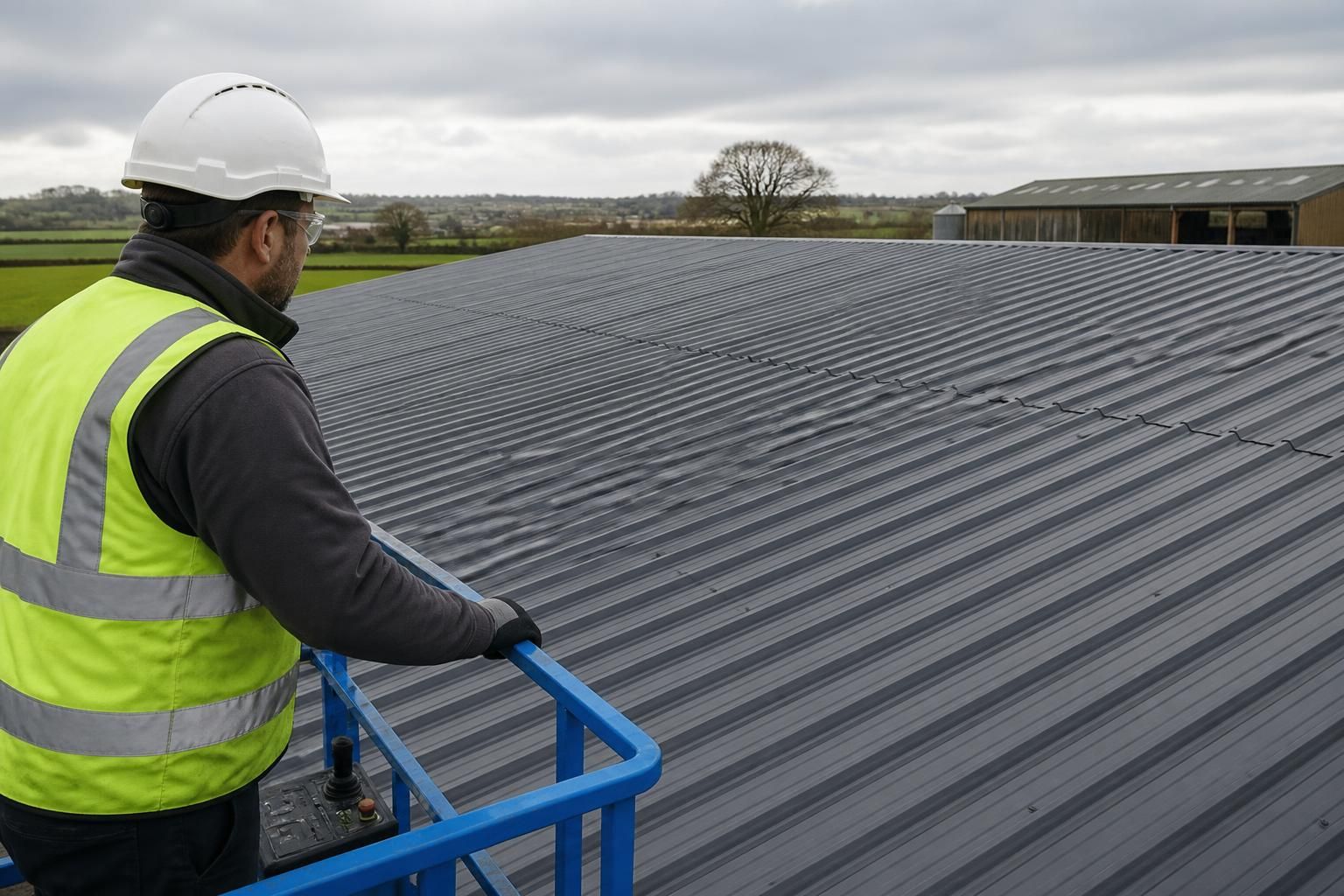
What aftercare is available after roof sheet installation?
After roof sheet installation, aftercare includes practical maintenance guidance and continued support with questions or issues relating to the completed roof. Buildings UK Ltd can advise on appropriate checks, upkeep and any remedial considerations as part of its after-sales support.
Aftercare after roof sheet installation is the process of protecting the finished roof, identifying problems early and keeping a clear record of any advice or remedial work. It normally combines a post-installation review, maintenance information, guidance on safe inspections and a defined route for raising questions about the completed work.
Post-installation information
Once the roof is complete, the building owner should retain the relevant project information. This may include the roof sheet specification, coating or finish details, drawings, installation notes, product-care requirements and records of any changes made during the work. Such information helps future contractors understand the roof before carrying out repairs, installing equipment or making alterations.
It is also useful to clarify which parts of the roof were included in the installation. Roof sheets, flashings, ridge details, verge details, gutters, outlets, rooflights and associated trims can each have different maintenance needs. Confirming these interfaces reduces the risk of a later repair addressing one component while overlooking the point where water is entering.
Routine checks and maintenance
Roof sheets should be checked periodically for visible damage, displaced or loose components, failed seals, corrosion, blocked gutters, damaged flashings and areas where water is collecting. The frequency and method of inspection depend on the building, the roof design, its environment and the manufacturer’s care requirements. Agricultural and industrial buildings may need particular attention where dust, chemicals, moisture, livestock conditions or machinery affect the roof environment.
Maintenance should be carried out without dragging tools or equipment across the sheets and without using unsuitable cleaning methods. Abrasive materials, aggressive chemicals and unapproved coatings can damage the protective finish. Gutters and outlets should be kept clear, while vegetation, accumulated debris and deposits should be removed using methods appropriate to the sheet finish. Any cleaning or repair work should follow the relevant product and safety guidance.
Dealing with defects or concerns
If a problem is noticed, record its location, date, weather conditions and visible symptoms. Photographs taken from a safe position can help establish whether the issue involves the sheet, a fixing, a flashing, a seal, a rooflight, drainage or an adjoining building element. Water staining inside the building does not always identify the point of entry, so extensive dismantling or unplanned sealing should be avoided until the cause has been assessed.
Buildings UK Ltd can provide after-sales support on questions relating to the completed roof and advise on appropriate checks, upkeep and remedial considerations. Where remedial work is proposed, the scope should identify the affected components, the reason for the work and whether the repair is temporary or intended as a permanent solution.
Safe access and future work
Roof sheets are not automatically safe to walk on simply because they appear substantial. Fragile rooflights, unsupported areas, wet surfaces, edges and openings create specific risks. Inspections and repairs should therefore use suitable access equipment, edge protection and fall-prevention measures, with the method selected for the building and the work involved.
Any future installation, such as solar equipment, ventilation, signage or service penetrations, should be planned around the existing roof system. New fixings and penetrations can affect weather-tightness and may interfere with purlins, flashings or drainage. A competent professional should review the proposed work and use compatible components rather than treating the roof sheets as a generic surface.
Good aftercare does not end with a single visual check. It provides the information needed to maintain the roof, a sensible process for reporting concerns and a technically informed basis for deciding whether cleaning, adjustment, repair or further investigation is appropriate.
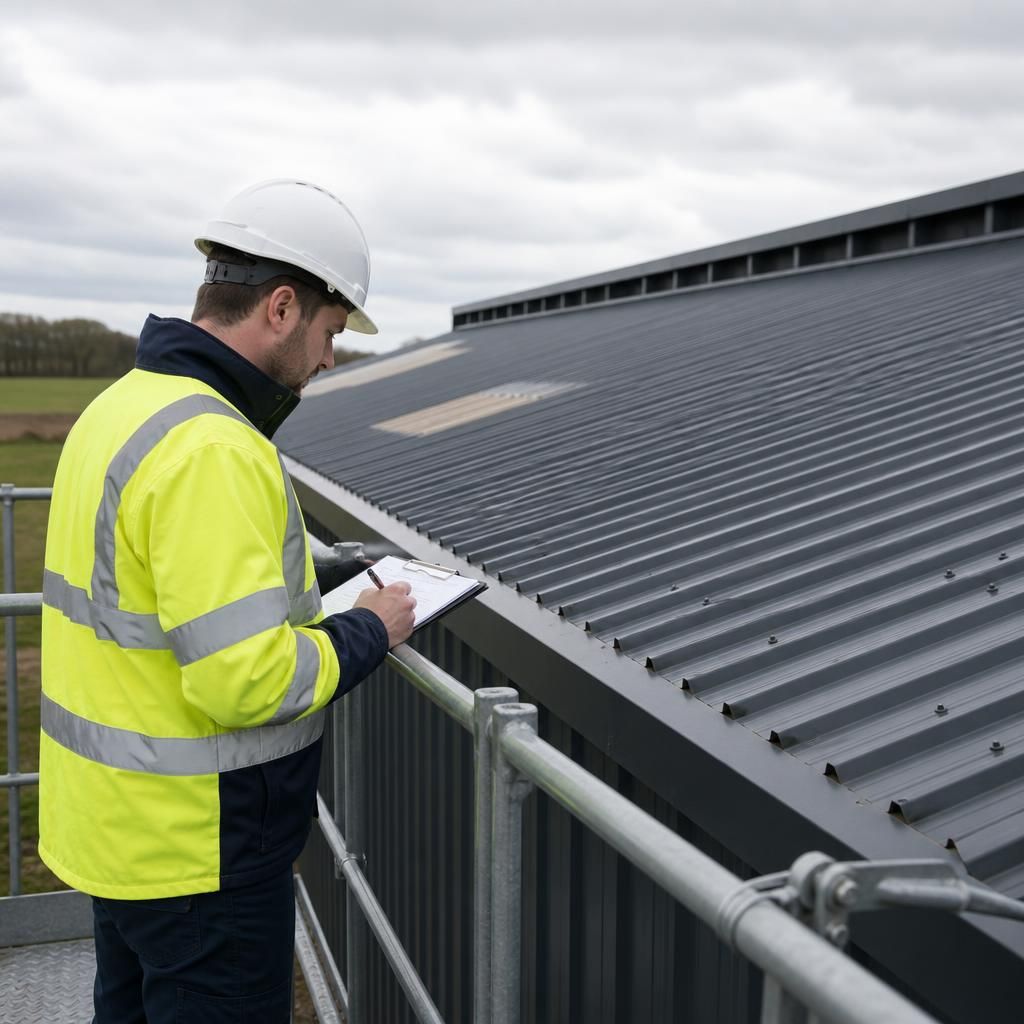
Aftercare should also clarify the warranty and responsibility arrangements for the completed roof. A warranty may relate to the roof sheets, coating, fixings or installation workmanship, and each element can have different conditions. The building owner should establish what is covered, how long the cover applies, which maintenance practices are required and whether alterations or third-party work could affect the terms.
If a claim or defect is suspected, keep the installation records, product details, photographs and details of any inspection or repair work. Buildings UK Ltd can help with questions about the completed roof and advise on the appropriate information to consider when investigating a concern. Clear records make it easier to distinguish a product issue, installation-related defect, accidental damage or deterioration caused by the building environment.