How should metal wall cladding be protected against corrosion?
Metal wall cladding should be protected against corrosion by selecting a coating system suited to the building’s environment, installing panels and fixings correctly, and preventing water from being trapped at joints, edges and penetrations. Regular inspection and prompt repair of scratches, damaged coatings or failed sealant help maintain the protective barrier throughout the cladding’s service life.
Metal wall cladding is protected against corrosion by combining a suitable base material, a durable metallic or paint coating, compatible fixings and effective control of moisture and contaminants. The protection system should be selected for the building’s exposure, expected service conditions and intended maintenance regime rather than treating all steel cladding as equivalent.
Understand the exposure before specifying the cladding. A building in a rural setting may be exposed to condensation, fertiliser dust, animal waste and ammonia, while industrial premises can encounter chemical vapours, process dust or airborne pollutants. Coastal locations add salt contamination, and sheltered façades may remain damp for longer because rain does not wash deposits away. These conditions influence the required coating specification and the suitability of the proposed fixings, trims and flashings.
Use a protective coating system appropriate to the steel. Common options include metallic-coated steel, such as galvanised or zinc-alloy-coated material, and pre-finished steel with a factory-applied organic coating. A metallic coating provides sacrificial protection to exposed steel, whereas a paint system forms a barrier between the steel and the environment. Where a pre-finished panel is used, its coating type and limitations should be checked against the building’s location and use. Coatings intended for general external exposure may not be appropriate in aggressive agricultural or industrial environments.
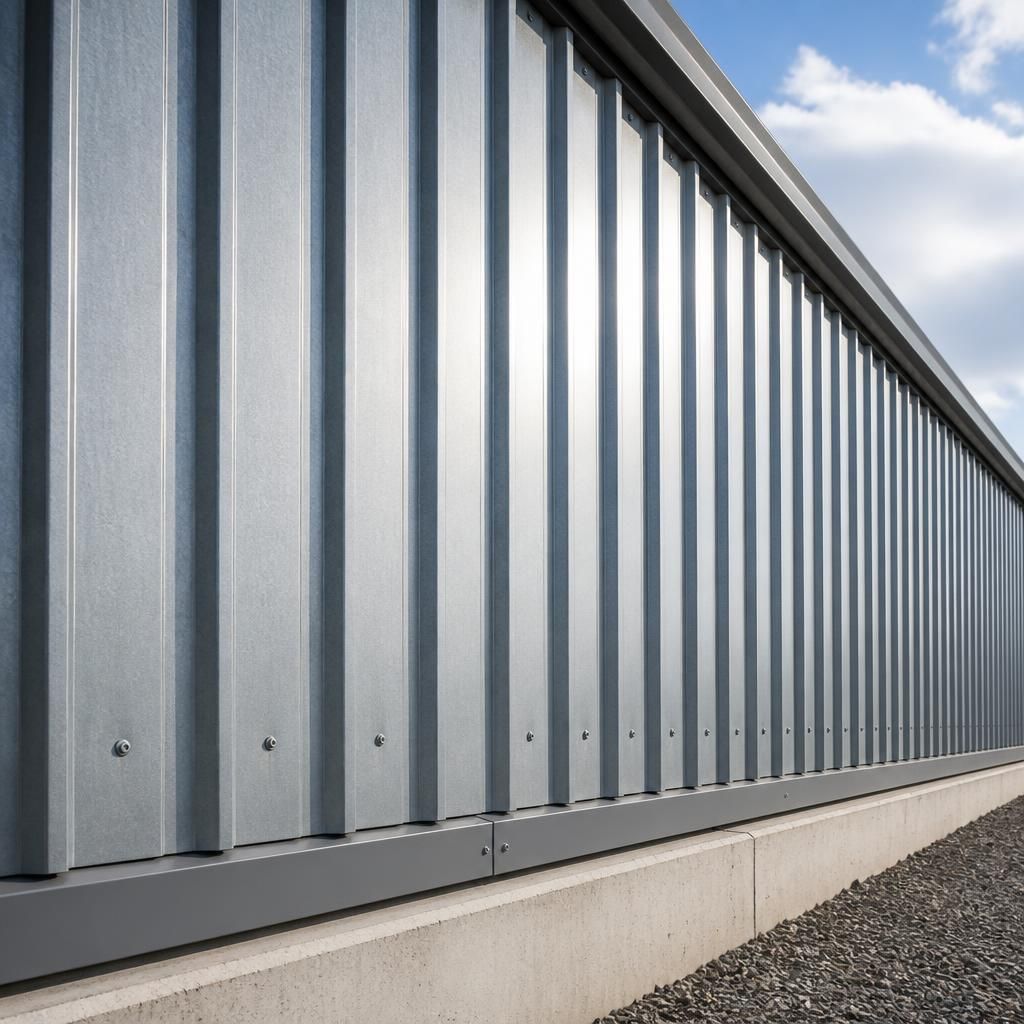
The full system matters, not just the visible face of the panel. Edges, folds, laps, cut-outs, trims and flashings can have different levels of protection from the main panel surface. Fixings should have a corrosion resistance compatible with the cladding and the surrounding environment. Incompatible metals can create galvanic corrosion when moisture is present, particularly at contact points. Washers and sealing components should also be suitable for external exposure and should not deteriorate in a way that allows water or contaminants to reach the steel.
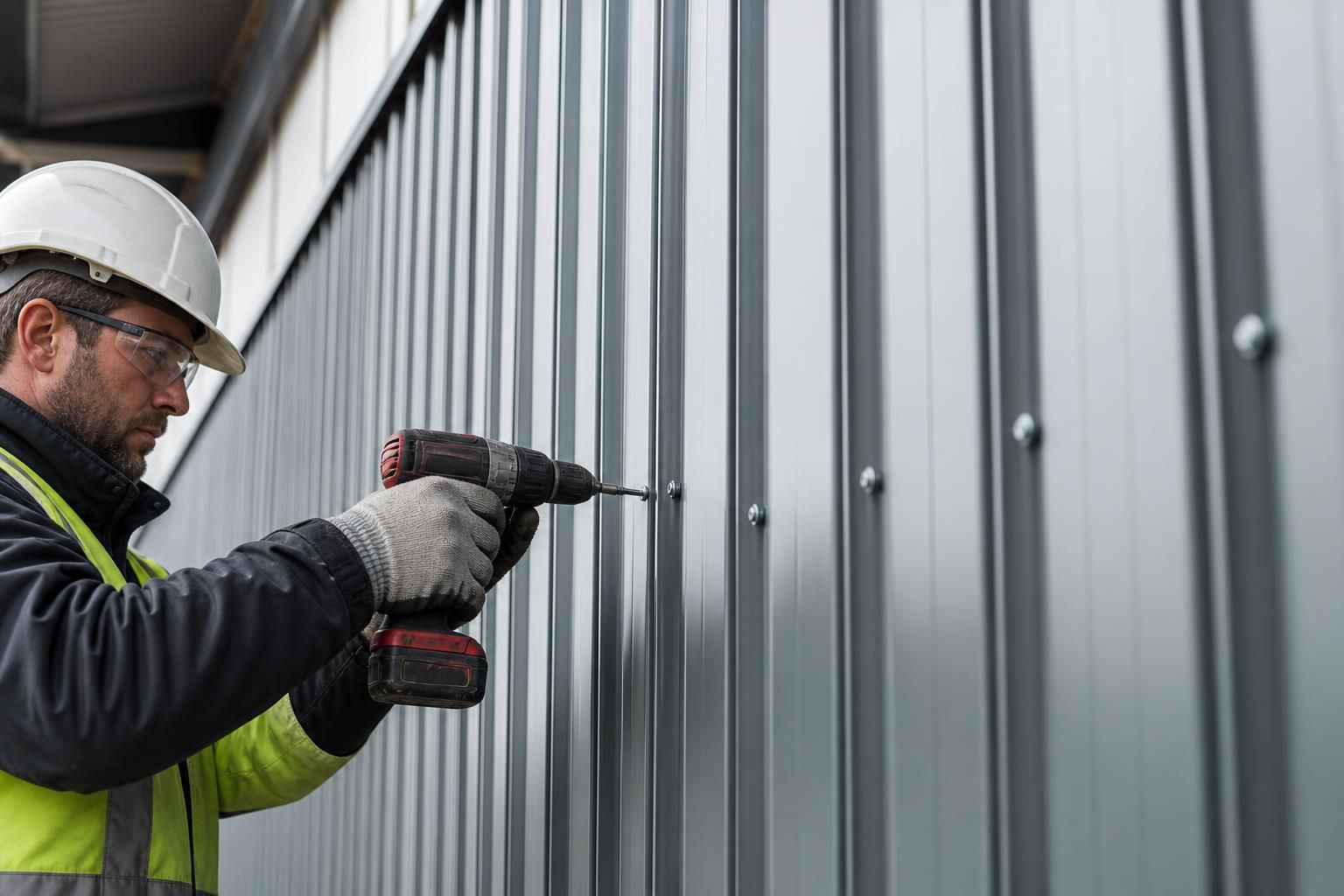
Protect areas altered during fabrication. Drilling, cutting and notching can expose the underlying steel or damage the factory finish. Cut edges should be treated with a compatible repair product where the cladding manufacturer or coating specification requires it. Abrasive tools should be avoided on visible coated surfaces because they can enlarge the damaged area and leave a rough edge that retains dirt. Any repair coating should be compatible with the existing finish, applied to a clean and dry surface, and used in accordance with the product instructions.
Cladding details should also prevent corrosion at interfaces with other building elements. Openings for doors, windows, vents and services need properly formed trims and flashings so that water is directed away from exposed edges. The design should avoid narrow recesses, unventilated cavities and ledges where dust or debris can accumulate. Where dissimilar materials meet, an appropriate separating layer may be needed to reduce direct metal contact and prevent chemical interaction.
Manage internal moisture as well as rainwater. Condensation on the inside of a metal panel can cause corrosion even where the external coating remains intact. Insulation, vapour control layers and ventilation should therefore be designed as part of the wall build-up, particularly in buildings with high humidity or temperature differences. Leaks from gutters, roof drainage, plumbing or internal processes should be corrected at source rather than relying on the cladding coating to withstand continual wetting.
Maintenance should be planned around the building’s actual environment. A practical regime can include:
- removing leaves, dust, bird fouling, fertiliser deposits and other contaminants from panels, trims and drainage points;
- washing affected surfaces with clean water and a suitable mild cleaning solution, without aggressive chemicals or abrasive equipment;
- checking laps, flashings, penetrations, corners, panel bases and areas beneath openings for staining or coating deterioration;
- checking that fixings remain secure and that washers, sealants and gaskets have not become brittle, displaced or damaged; and
- recording defects so that small areas of coating damage can be treated before corrosion spreads beneath the finish.
Cleaning methods should be tested on an inconspicuous area where the coating or contaminant is uncertain. High-pressure washing directed at laps, joints or seals can force water into the wall construction and may damage the finish, so pressure and direction should be controlled.
When corrosion is found, the cause should be identified before applying a cosmetic repair. Surface rust may result from a scratch, incompatible swarf left after installation, a failed seal, persistent condensation or a leaking detail. The affected area should be cleaned back to sound material, loose corrosion removed, and the correct primer and finish applied in line with the cladding or coating manufacturer’s requirements. Extensive section loss, perforation or recurring corrosion at a detail may require replacement panels or remedial redesign rather than repeated painting.
For a new steel-framed building, corrosion protection is best recorded in the specification and fabrication information. The documentation should identify the cladding finish, coating limitations, fixing materials, treatment of cut edges and any cleaning or inspection requirements. Buildings UK Ltd can incorporate practical steelwork and cladding considerations within bespoke building design packages, helping the final wall construction reflect the building’s agricultural, industrial or other operating environment.
Corrosion protection begins before metal wall cladding is installed. Panels should be transported and stored so that moisture cannot remain trapped between sheets, as damp storage conditions can mark metallic coatings and weaken the protection they provide.
Cladding packs should be kept raised clear of the ground, supported to avoid distortion and protected from rain while still allowing air to circulate. If water enters between panels, the sheets should be separated and dried rather than left tightly packed. During handling, panels should be lifted without dragging them across one another, which can scratch the coating. Any temporary protective film should be removed in accordance with the product instructions, since leaving it exposed to weather can make removal difficult and allow moisture to collect beneath it.