How long do galvanised corrugated roofing sheets last?
Galvanised corrugated roofing sheets can provide a long service life, but their lifespan depends on the quality and thickness of the zinc coating, the surrounding environment, installation and maintenance. Regular inspections and prompt treatment of damage help preserve the galvanised protection and extend the roof’s usable life.
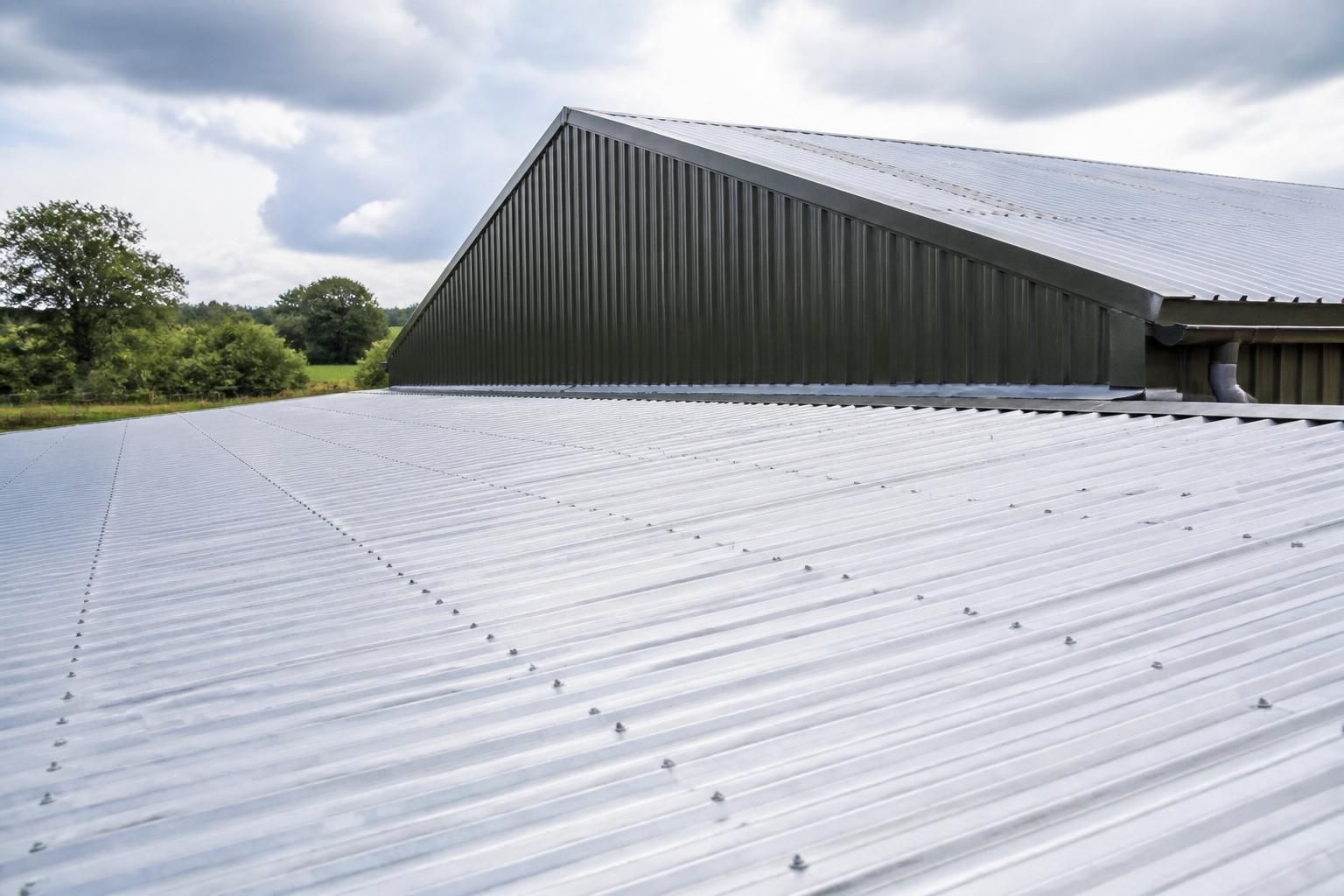
Galvanised corrugated roofing sheets generally provide a service life measured in decades when the zinc coating remains intact and the sheets are correctly installed. Their durability comes from the steel substrate being protected by a layer of zinc, which acts as a barrier and also provides sacrificial protection if the surface is lightly scratched.
The thickness of the galvanising is a major influence on longevity. A heavier zinc coating contains more material to resist corrosion, so it is better suited to applications where the roof will face persistent moisture, condensation or airborne pollutants. The sheet specification should therefore be selected for the building’s use and environment rather than by appearance alone.
Environmental conditions matter. Roofing in a clean, rural setting will usually face less aggressive corrosion than roofing exposed to salt-laden coastal air, industrial emissions, chemical vapours, livestock housing or frequent condensation. Agricultural buildings require particular care because moisture, ammonia and other contaminants can attack galvanised surfaces, especially where ventilation is limited. The internal environment can be as important as the external weather.
Water that remains on the sheet or collects around laps and fixings creates a more corrosive condition than rainwater that can drain freely. Poorly detailed valleys, blocked gutters, insufficient roof falls and debris trapped against the sheets can all prolong damp contact. Good drainage and adequate ventilation help the galvanised coating perform as intended.
Installation quality also affects the roof’s usable life. Sheets should be supported at the correct centres, fixed with suitable corrosion-resistant fasteners and installed so that laps shed water rather than retain it. Over-tightening fixings can deform the sheet or damage sealing washers, while under-tightening can allow movement and water penetration. Cut edges, drilled holes and areas damaged during handling should be treated in accordance with the roofing system’s requirements.
Contact between incompatible metals can accelerate corrosion through galvanic action. This may occur around fixings, flashings, gutters or structural components where dissimilar metals are in contact in the presence of moisture. Separating materials where necessary and using compatible accessories reduces this risk. Cement dust, mortar, treated timber residues and other alkaline or chemical deposits should not be left on the coating.
Maintenance does not normally mean recoating the entire roof at regular intervals. It is more important to carry out sensible checks for:
- scratches, dents, exposed steel or areas where the zinc coating has been removed;
- rust staining around cut edges, laps and fixings;
- loose or deteriorated fasteners and damaged sealing washers;
- blocked gutters, accumulated debris and areas where water is ponding;
- condensation, corrosion or staining on the underside of the sheets; and
- movement, distortion or gaps at flashings, ridges and verges.
Small areas of damage should be cleaned, dried and treated promptly with a compatible repair coating or other suitable method. The repair product should be appropriate for galvanised steel and used in accordance with its instructions. Extensive rusting, perforation or recurring leaks may indicate that local repairs are no longer sufficient and that affected sheets or components need replacing.
Roof inspections should be undertaken from a safe position, as corrugated sheets may not support a person’s weight, particularly if corrosion or hidden deterioration is present. Inspection should also include the supporting steelwork, purlins and connections, since a roof can appear sound externally while moisture has affected components beneath it.
There is no single expiry date for galvanised corrugated roofing. A roof’s actual service life is determined by the coating specification, exposure conditions, detailing, workmanship and maintenance history. For a new steel-framed building, these considerations should be addressed during design so that the sheet profile, coating and associated components are suitable for the intended agricultural, industrial or equestrian use.
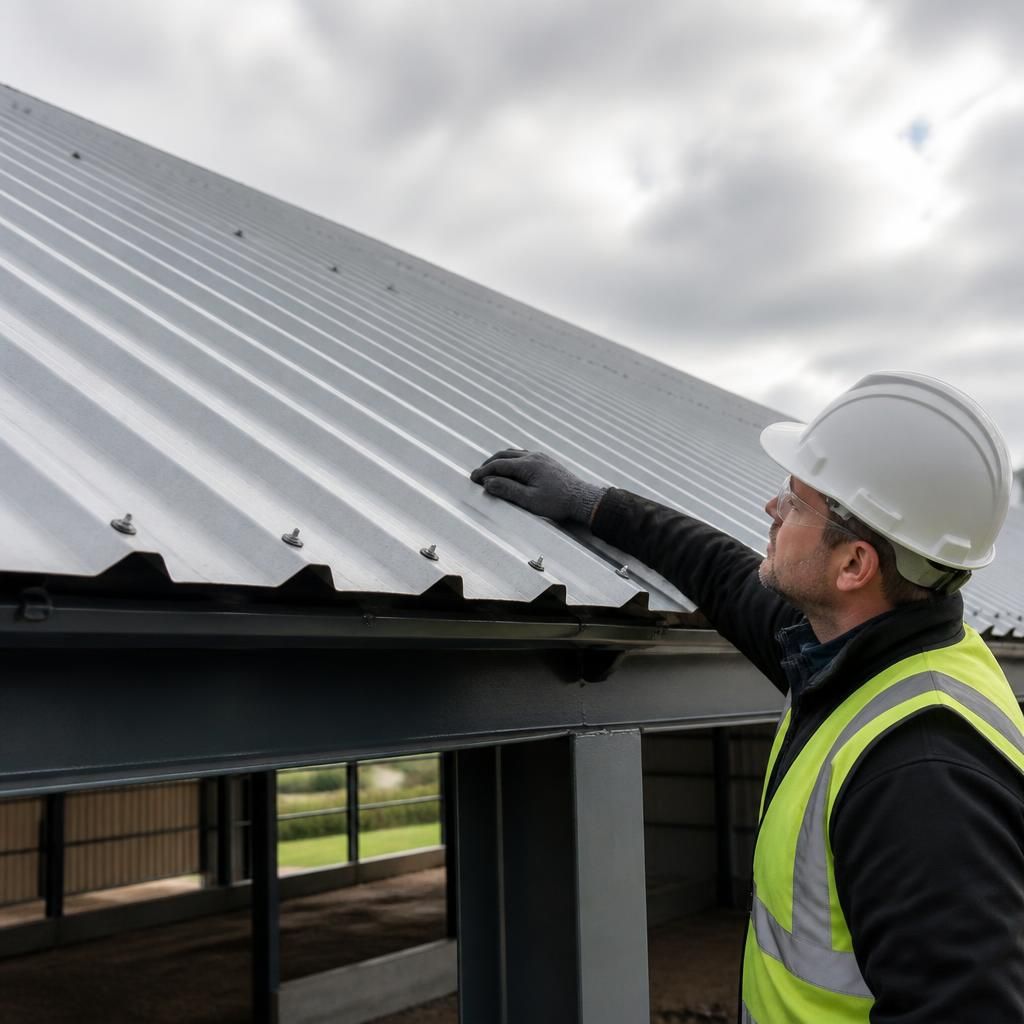
Surface appearance is not, by itself, a reliable measure of remaining life. Galvanised corrugated roofing sheets naturally develop a duller grey appearance as the zinc surface weathers, and this does not mean that the steel has failed. Pale white deposits can also form when newly galvanised steel remains damp; these should be assessed rather than treated as structural rust automatically. Persistent red rust, exposed steel, flaking or perforation are more significant signs that the protective coating has been substantially consumed. Where the roof’s condition is uncertain, assessment should consider the depth and spread of corrosion, not simply the sheet’s colour or age.