
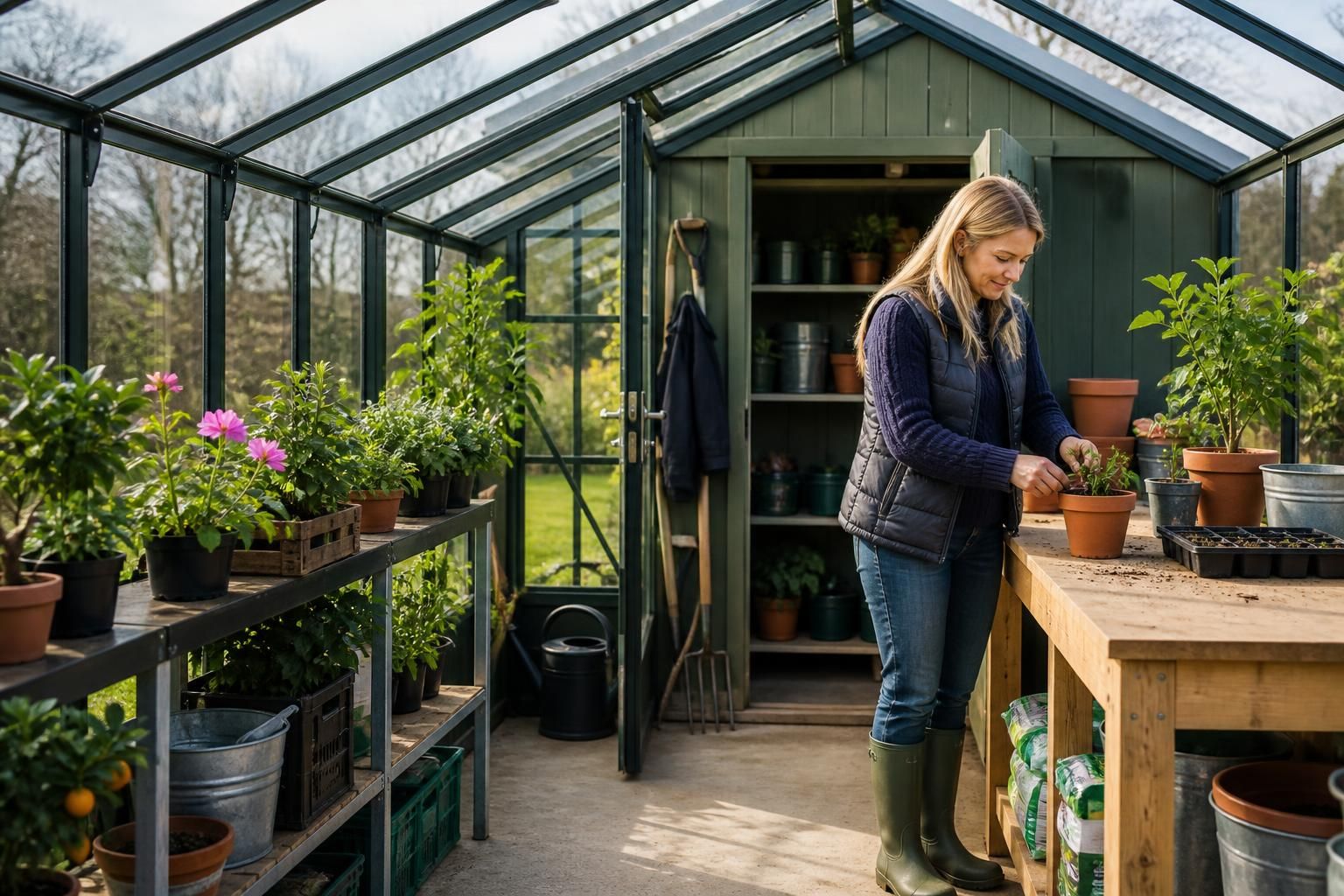
What can a greenhouse garden shed be used for?
A greenhouse garden shed can be used for growing plants, raising seedlings, overwintering tender specimens and storing gardening tools and supplies in one integrated structure. It can also provide a practical workspace for potting, propagation and routine garden maintenance.
A greenhouse garden shed is a dual-purpose structure that combines a glazed growing area with an enclosed, more sheltered room. Its uses can therefore extend beyond routine cultivation: it may support crop protection, seasonal garden tasks, produce handling, hobby activities and occasional relaxation, provided the layout and specification suit the intended purpose.
Protecting plants from difficult conditions
The glazed section can create a more controlled environment than an exposed garden bed. It can be used to protect plants from strong wind, persistent rain and sudden temperature changes, while allowing the gardener to monitor moisture, ventilation and light more closely. This is particularly useful for plants that need a longer growing season or for crops that are vulnerable during their early development.
A greenhouse garden shed can also provide a useful transition area for plants moving between protected and outdoor conditions. Doors, vents, shading and internal shelving can help regulate the change, reducing the risk of plants being exposed abruptly to colder temperatures, excessive sunlight or drying winds.
Managing garden produce
With suitable work surfaces and washable finishes, the enclosed section can be used for weighing, sorting and preparing produce after harvesting. It may provide a convenient place to clean containers, label stored crops or organise baskets before produce is taken into the kitchen or another storage area. If food is handled there, the space should be designed with hygiene, drainage and ventilation in mind.
The structure can also support seed-saving activities. A dry, well-organised area is useful for labelling seed envelopes, keeping records of varieties and allowing collected seed heads to dry before storage. Good ventilation is important because excess humidity can encourage mould and reduce seed quality.
Housing garden systems and equipment
Rather than using the structure only for loose equipment, the enclosed area can accommodate parts of a wider garden system. Examples include irrigation controls, hose management, plant supports, pots, trays and seasonal coverings. Keeping these items together can make routine tasks more orderly, although electrical equipment, water connections and drainage should be planned safely and installed appropriately.
The building may also serve as a practical base for composting accessories, soil amendments and growing media. These materials need dry, secure storage and should be kept in suitable containers to prevent contamination, dampness or access by pests. Bulky materials may require wide doors and clear circulation space, so storage needs should be considered before the structure is designed.
Creating a hobby or garden room
Where the enclosed section is insulated, lit and suitably fitted out, it can be used for garden-related hobbies such as flower arranging, model making, painting or craftwork. It may also function as a quiet sitting area for reading or observing the garden. This use is different from treating the building as a permanent habitable room: heating, insulation, ventilation, electrics, foundations and planning requirements may all need separate consideration.
A greenhouse garden shed can occasionally support remote work or study, but this depends on whether the enclosed room provides adequate temperature control, natural light, electrical provision, privacy and a stable working surface. A predominantly glazed structure may become too hot in direct sun or too cold in winter unless it has been designed for those conditions.
Supporting an organised garden routine
The structure can act as a central point for planning and maintaining a garden. A wall-mounted calendar, crop notes, labels and storage for records can help coordinate sowing, planting and harvesting. Clear separation between clean materials, used containers and chemicals is important, particularly where children, pets or edible crops are present.
Ultimately, the best use depends on the balance between glazed and enclosed space. A design intended mainly for cultivation will prioritise light, airflow, access and temperature control. One intended to combine gardening with leisure or craft work will need more attention to insulation, flooring, security and internal comfort. Defining these uses at the outset helps ensure that the greenhouse garden shed is practical throughout the seasons rather than being suited to only one type of activity.
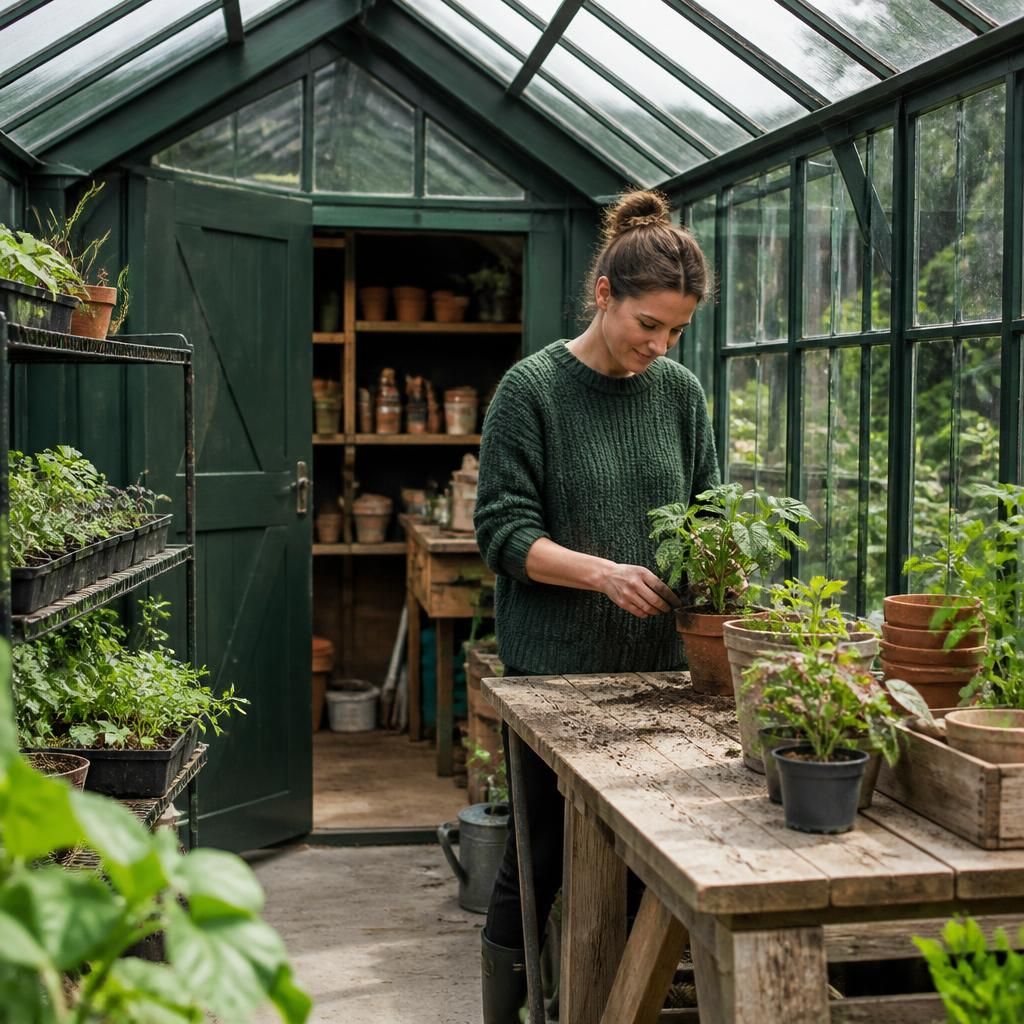
A greenhouse garden shed can also serve as a controlled quarantine area for newly bought, donated or returning plants. Keeping unfamiliar specimens separate from the main collection allows them to be inspected for pests, disease or signs of stress before they are introduced to other plants.
This use benefits from a clear separation between the glazed growing area and the enclosed section. Plants awaiting inspection can be placed on washable benches with their own trays and tools, while records can be kept of their origin, condition and treatment. Good airflow, easy cleaning and hand-washing facilities help reduce the risk of transferring problems between plants. Once a specimen has been checked and is showing healthy growth, it can be moved into the main growing area or planted outdoors.