
What maintenance do steel frame homes require?
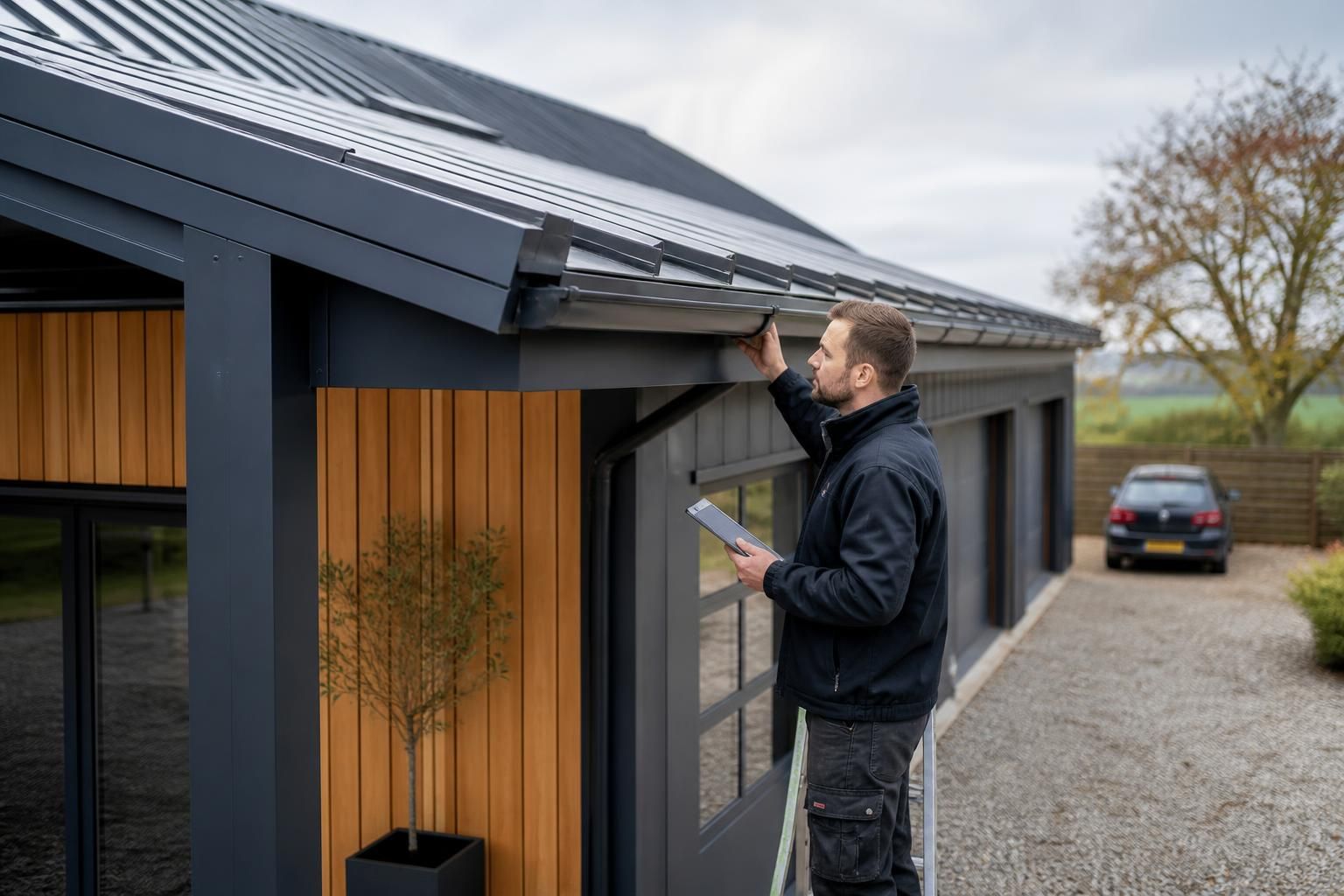
Steel frame homes require routine checks of the frame’s protective coatings, connections and surrounding building fabric to prevent moisture-related corrosion and identify movement or damage early. Maintenance also includes inspecting the roof, cladding, gutters, seals and external finishes, with repairs carried out where water could reach the steelwork.
Maintenance for a steel frame home is mainly a programme of moisture control, inspection and condition-based repair. The steel frame itself is usually concealed within the building fabric, so protecting it depends on keeping water out, maintaining the materials around it and checking that alterations have not compromised the original design.
Follow the inspection and maintenance information for the specific building. The frame designer, engineer or building manufacturer may identify particular details that need attention, such as movement joints, exposed steelwork, drainage arrangements, fire protection or proprietary fixings. Keep these recommendations with the property records, together with drawings, product information and details of any repairs.
Check for signs of moisture inside the home. Staining, bubbling paint, persistent condensation, mould, damp smells or localised deterioration around window openings can indicate a defect in the external envelope or a ventilation problem. These symptoms should not automatically be attributed to the steel frame. They may arise from failed sealant, damaged cladding, blocked drainage, plumbing leaks or inadequate extraction. Finding and correcting the source is more important than simply redecorating the affected area.
Pay particular attention to areas where different materials meet. Junctions between the frame, masonry, render, cladding, windows and doors are more vulnerable to movement and water entry than uninterrupted surfaces. Look for open joints, cracking, distortion, loose trims and deterioration of flexible seals. Repairs should use compatible materials and preserve the movement allowance intended in the original detail; rigidly filling a joint that needs to move can transfer stress into the surrounding construction.
Maintain ventilation and moisture-producing equipment. Bathrooms, kitchens, utility rooms and drying areas introduce water vapour into the home. Extract fans should be kept clean and functional, while air inlets and ventilation openings should not be blocked. Where insulation has been added or internal finishes have been changed, check that the revised build-up still allows the wall and roof construction to manage vapour appropriately. Uncontrolled condensation can affect finishes and insulation before any damage to the steel becomes visible.
Keep the external envelope intact after alterations. New windows, satellite equipment, solar panels, conservatories, extensions and other additions can involve drilling, cutting or fixing through parts of the building. Before work starts, establish where the structural frame, protective layers, cavities, electrical cables and pipes are located. Penetrations should be detailed and sealed properly, and structural changes should be designed by a competent professional rather than treated as ordinary DIY work.
Inspect accessible internal areas. Loft spaces, service cupboards, plant rooms and areas behind removable access panels can reveal leaks, damaged insulation, condensation or unauthorised fixings. Do not remove fire protection, cavity barriers or protective boards merely to expose the frame. If steelwork becomes visible because of damage or refurbishment, avoid scraping, drilling or applying a coating until its condition and the correct repair system have been assessed.
Maintenance should also include checking that external water is discharged away from the building and that ground levels, paving or landscaping have not been raised against walls. Ponding or splashback can increase exposure to moisture at the base of the structure. Vegetation should be managed where it restricts inspection, obstructs drainage or keeps wall surfaces persistently wet.
Arrange a professional assessment when there is evidence of structural change. This includes unusual cracking, sticking doors or windows, visible distortion, movement at joints, impact damage, corrosion, unexplained dampness or damage following a fire or significant storm. A suitably qualified structural engineer or building specialist can determine whether the issue is cosmetic, relates to the envelope or requires investigation of the frame.
Repairs should address the cause as well as the visible defect. For example, replacing a damaged finish without correcting water entry will not protect the underlying construction, while adding insulation without considering condensation and ventilation can create a new moisture risk. Keep a dated record of inspections, defects, remedial work and materials used. This creates a useful maintenance history and helps future contractors understand the building’s construction before carrying out further work.
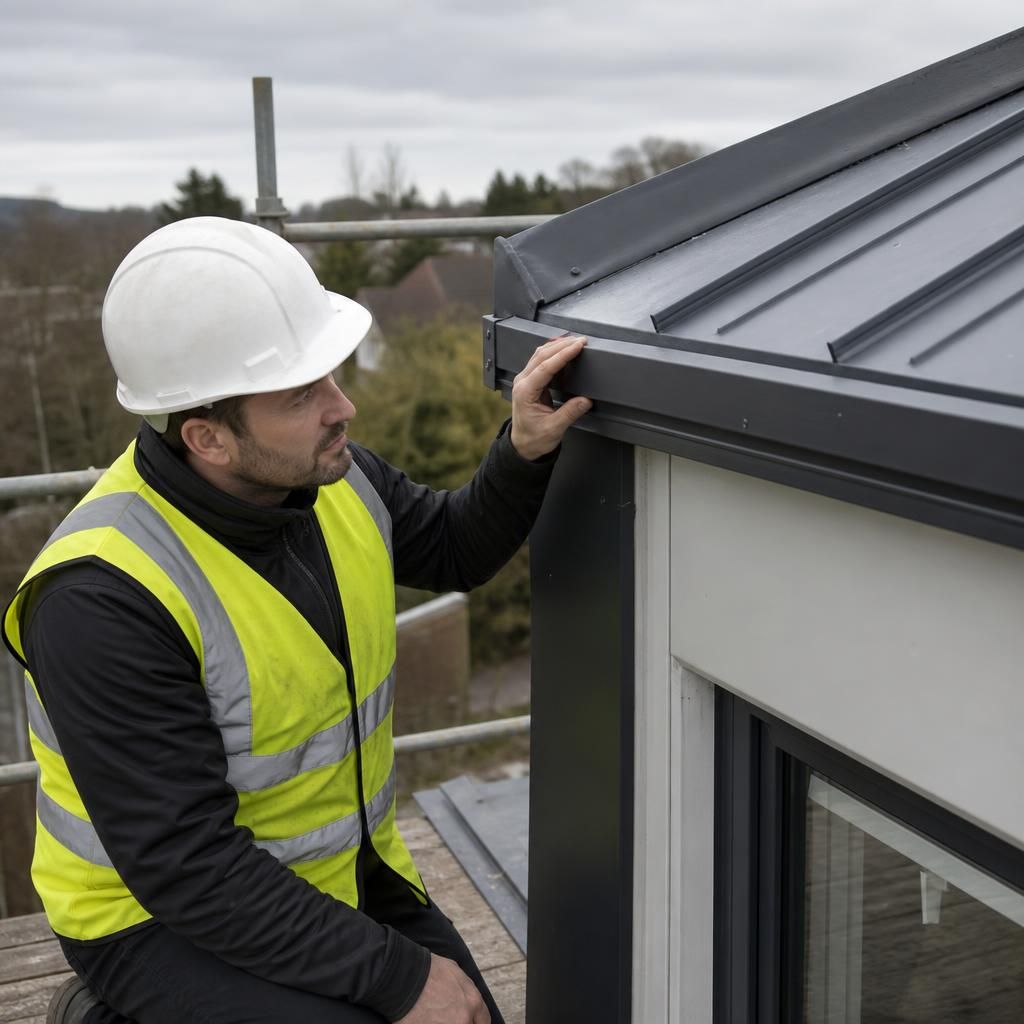
Inspection work around roof junctions and other elevated areas must be carried out without damaging the building fabric. Do not walk on lightweight roof or cladding panels unless the construction has been designed for access. Use suitable access equipment and keep fixings, ladders and tools clear of membranes, flashings and sealant joints.
Where a defect cannot be inspected safely from ground level, arrange an assessment by a competent building professional. A safe inspection should establish whether the problem is limited to a finish or has affected the roof covering, insulation, weather seals or supporting steelwork. Any remedial work should then reinstate the complete junction, rather than leaving exposed edges or temporary patches that allow water to enter.
Discuss steel frame home maintenance
If you need to clarify a maintenance issue or plan alterations to a steel frame home, discuss the building’s original drawings and construction with a suitably qualified structural engineer or building specialist. Keep their recommendations with your property records before arranging any remedial work.