Are galvanised sheet metal and zinc sheeting the same?
No. Galvanised sheet metal is usually steel coated with a layer of zinc, whereas zinc sheeting is made primarily from zinc or a zinc alloy. The two materials differ in composition, strength, appearance and suitability for particular construction applications.
They should not be specified interchangeably. The correct choice depends on the required structural strength, surface finish, forming method, exposure conditions and intended service life. In most construction work, galvanised sheet metal is chosen as a practical steel product, while zinc sheeting is selected as a specialist roofing or cladding material with different fabrication and appearance characteristics.
How galvanising works
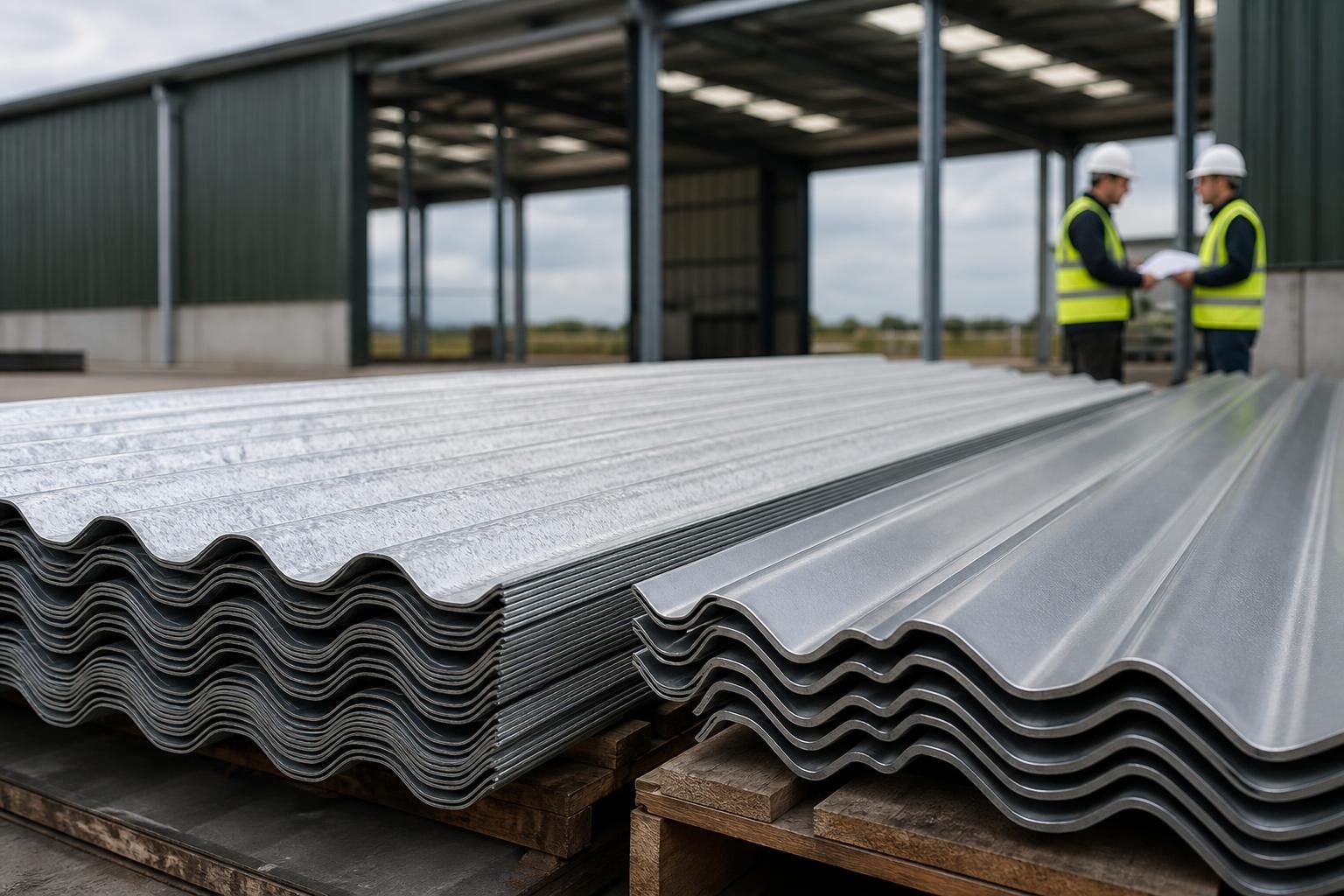
Galvanising protects a steel sheet by applying zinc to its surface. The zinc coating acts as a barrier against moisture and also provides sacrificial protection: where the surface is scratched, the zinc can corrode preferentially to the underlying steel. This makes galvanised steel suitable for many agricultural, industrial and general building applications where a durable, relatively low-maintenance sheet is required.
The level of protection depends on the coating specification, the environment and the way the sheet is handled. Edges, drilled holes and cut areas should be considered during design because fabrication can expose the steel substrate. Correct fixings and detailing are therefore important, particularly on roofs, wall cladding and structures exposed to persistent condensation or corrosive contaminants.
How zinc sheeting behaves differently
Zinc sheet is commonly used for architectural roofing, wall cladding, flashings and details where its appearance and ability to form neat joints are important. Its surface changes naturally over time as it develops a protective patina. The final appearance can vary according to the product, weather exposure, manufacturing finish and whether the surface is pre-weathered.
Zinc is generally more suited to carefully detailed sheet-metal work than to applications requiring the same load-bearing characteristics as a steel sheet. It must be supported and fixed in accordance with the manufacturer’s guidance, with allowance for thermal movement and appropriate separation from incompatible materials.
Key differences when choosing between them
- Strength and stiffness: galvanised steel normally provides the steel substrate needed for profiled roofing, wall sheets, purlin-supported panels and general fabrication. Zinc sheet may require different support spacing, detailing and thickness for the same application.
- Finish: galvanised steel has a metallic zinc finish that may show a spangled or lightly patterned appearance. Zinc develops a characteristic weathered surface, which is often part of the design intention.
- Fabrication: galvanised steel can be profiled, folded, drilled and fabricated using methods appropriate to coated steel. Zinc requires fabrication techniques that account for its relative softness, joint design and movement.
- Corrosion behaviour: both materials can provide long-term resistance when correctly specified, but neither is immune to unsuitable environments, trapped moisture, chemical exposure or poor detailing.
- Cost and availability: these vary according to thickness, profile, coating or alloy specification, finish and quantity. A like-for-like comparison is only possible when the full material specification is stated.
Terminology can cause confusion
Suppliers and tradespeople sometimes use “zinc sheet” loosely when discussing any sheet with a zinc surface. In a formal quotation or specification, this should be clarified. Ask whether the sheet is steel with a galvanised coating, zinc alloy sheet, or another zinc-coated product. The substrate, thickness, finish, profile and coating designation should all be identified rather than relying on the word “zinc” alone.
For a roofing or cladding project, also check whether the product is intended for the proposed roof pitch, support arrangement and exposure category. The fixing system, laps, flashings, ventilation and drainage details must be compatible with the chosen sheet. Contact between dissimilar metals can accelerate corrosion, so copper, lead, aluminium and other adjacent materials should be assessed as part of the detailing.
When comparing quotations, make sure each one identifies the material type and includes any required trims, flashings, fixings and fabrication. For bespoke steel-framed buildings, the sheet specification should also correspond with the building design and the intended agricultural, industrial or equestrian use. This prevents a galvanised steel roof sheet from being confused with architectural zinc cladding and ensures that the selected material is suitable for its actual purpose.
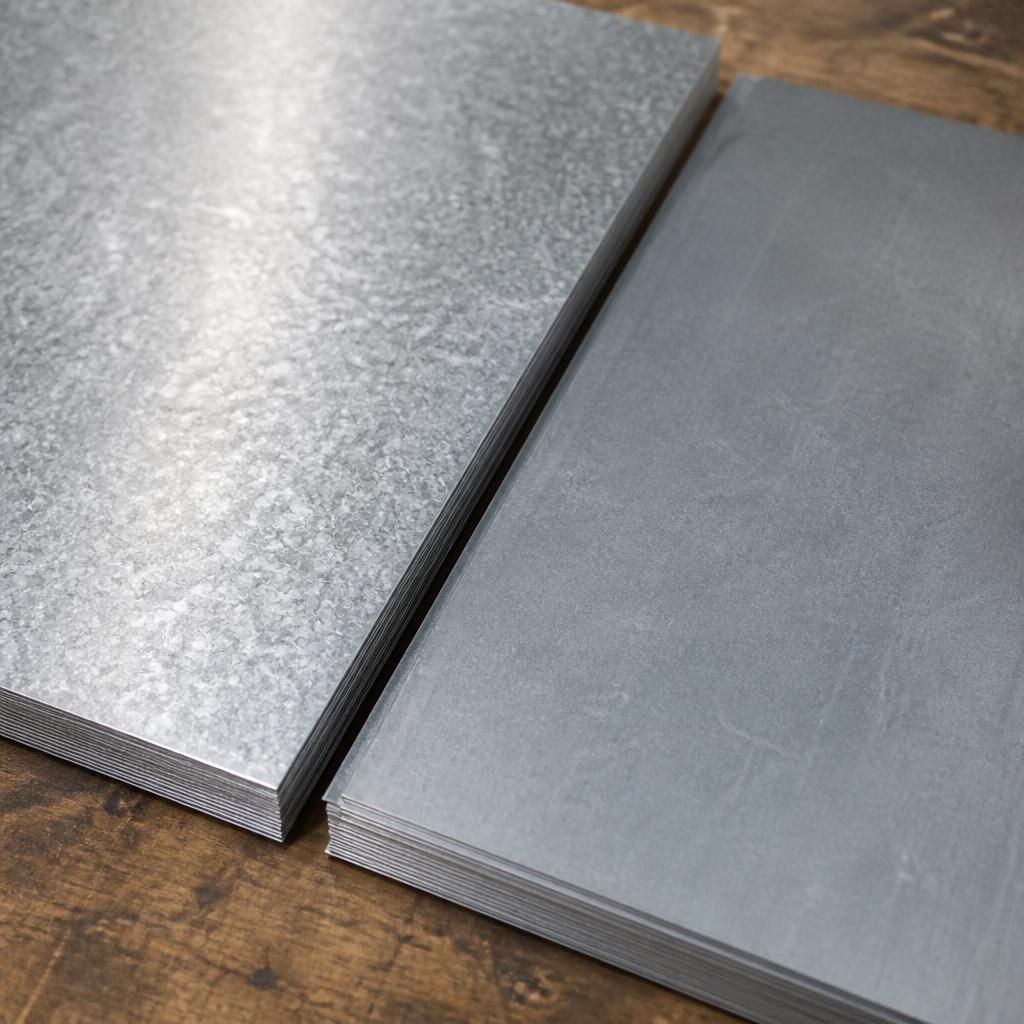
Maintenance is another practical difference between the two materials. If a galvanised steel sheet is cut, drilled or scratched, the exposed area should be cleaned and treated with a suitable zinc-rich repair coating in accordance with the product guidance. This helps restore protection to the exposed steel substrate.
Zinc sheeting is normally allowed to develop its protective patina naturally. Abrasive cleaning or local polishing can create visible variation, so repairs and replacements may not blend immediately with the surrounding surface. The maintenance approach should therefore be established when the material is specified, particularly where the roof or cladding will remain visually prominent.