How should corrugated metal wall cladding be maintained?
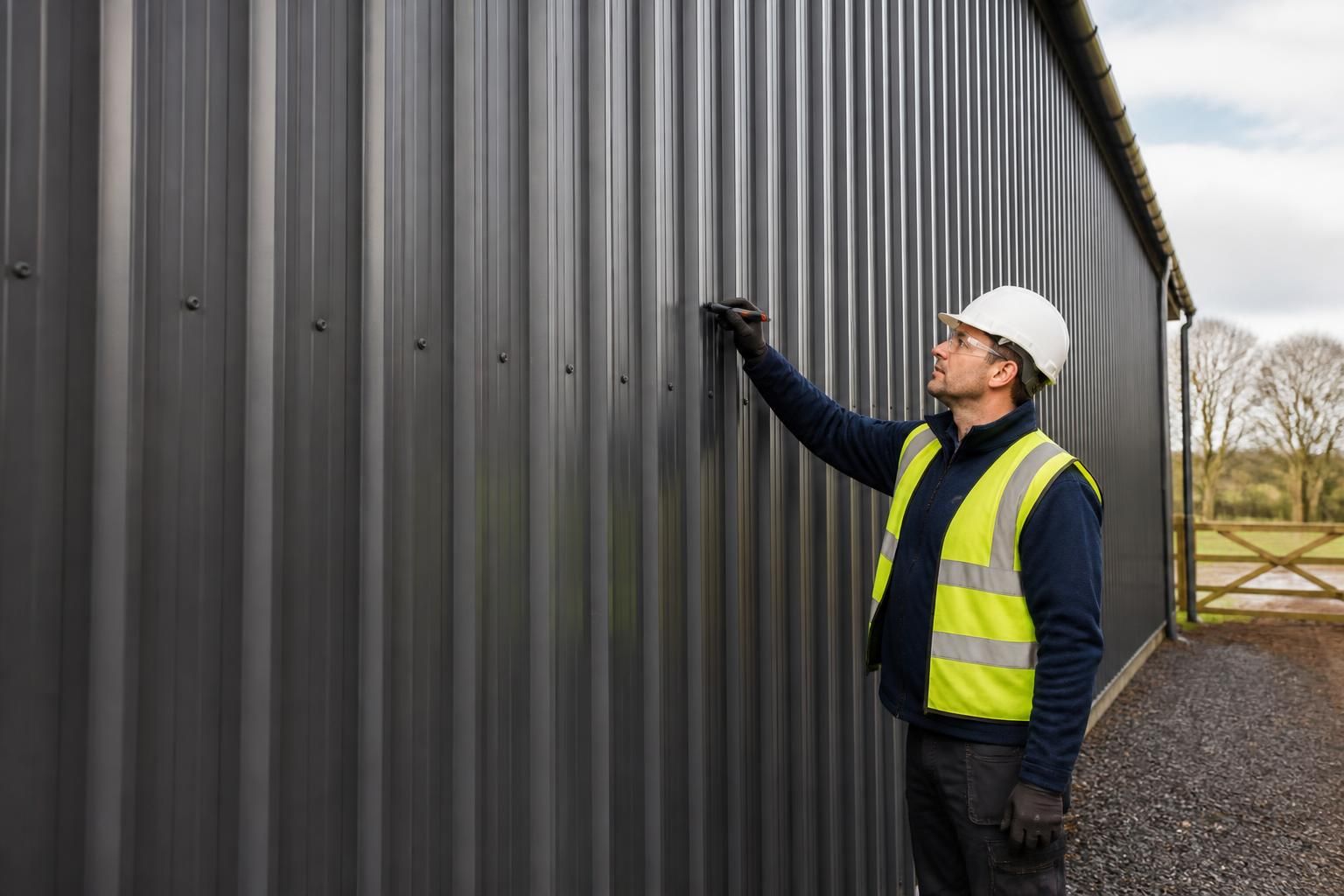
Maintain corrugated metal wall cladding by keeping its surface clean, checking regularly for damage or corrosion, and repairing defects before moisture can reach the structure. Use suitable cleaning methods and coatings for the panel finish, and inspect joints, fixings, trims and areas around openings as part of the maintenance routine.
Corrugated metal wall cladding is maintained by preserving its protective finish, limiting exposure to corrosive substances and controlling the conditions around the panels. A suitable maintenance regime depends on the cladding material, coating system, building use and environmental exposure, so the original product information and installation documentation should be retained as part of the building’s records.
Assess the exposure of the building. A panel on an agricultural building may be affected by ammonia, fertiliser dust, slurry aerosols or persistent condensation. Industrial buildings can be exposed to process dust, chemical vapours and airborne pollutants, while buildings in exposed or coastal locations may receive salt deposits. These conditions can shorten the service life of a coating even when the panels appear sound. Maintenance intervals should therefore reflect the actual environment rather than rely on a standard routine applied to every building.
Keep the lower edge and surrounding ground conditions under control. Soil, vegetation and stored materials should not remain in contact with the cladding. They can hold moisture against the panel, obstruct air movement and create splashback during rainfall. Check that the ground falls away from the wall where possible, and that water from roofs, gutters and downpipes is not repeatedly discharged against the bottom of the panels. Persistent dampness at the base is a common cause of deterioration and deserves attention even when the main wall surface remains in good condition.
Use the correct approach for the panel finish. Pre-finished steel, galvanised steel and factory-applied paint systems do not all respond to maintenance products in the same way. Abrasive pads, harsh solvents and incompatible chemicals can dull the surface or damage the protective layer. Cleaning agents should be used only where they are suitable for the specified finish, and they should be tested on an inconspicuous area before wider application. Do not allow chemical products used inside the building to remain on the external cladding or to run down the wall during other maintenance work.
Particular care is needed around cut edges, drilled penetrations and alterations made after installation. These areas may have less factory-applied protection than the original panel face. Any treatment should follow the coating or steel manufacturer’s guidance, including preparation, compatible primer and finishing product where specified. Applying a random paint directly over staining or corrosion can conceal the problem without restoring the protective system.
Manage condensation and internal air quality. Moisture generated by livestock, machinery, washing-down activities or industrial processes can condense on colder parts of the building and increase the humidity around the cladding system. Adequate ventilation, controlled wash-down practices and properly managed internal drainage help reduce this risk. Where condensation is persistent, investigate the building’s ventilation and insulation design rather than treating the resulting marks as a purely cosmetic issue.
Maintenance should also account for alterations to the building. New openings, signs, lighting, extraction equipment and service penetrations can disturb the original weathering arrangement. They should be formed and sealed in a way that is compatible with the cladding system, with water directed away from the panel face. Unplanned drilling, poorly sealed penetrations or materials that trap moisture can create localised problems that are difficult to identify from a distance.
Adopt a documented process. A useful record should include:
- the panel type, coating or corrosion protection and original supplier information;
- areas exposed to unusual chemicals, livestock conditions, salt or industrial contaminants;
- dates of maintenance work and the products used;
- photographs of recurring problem areas, such as panel bases or service penetrations; and
- details of any alterations that affect the wall system.
This information helps distinguish normal weathering from a change that needs investigation. It also prevents incompatible products being applied during later maintenance and gives contractors the information needed to work safely and appropriately.
Before carrying out work at height, establish a safe access method and avoid leaning ladders or equipment directly against the panels. Fragile roof areas, rooflights, translucent sheets and adjacent surfaces may require separate controls. Pressure, impact or concentrated loads can deform corrugated profiles even where the coating is not visibly marked.
Seek specialist advice when corrosion extends beneath the coating, panels have become distorted, water is entering around an alteration, or the condition of the supporting structure is uncertain. Cladding is not a substitute for structural repair, and coating over a problem will not correct movement, inadequate drainage or deterioration of the frame. For a new project, selecting an appropriate panel finish and detailing the wall for its agricultural, industrial or equestrian environment can reduce the maintenance burden from the outset.
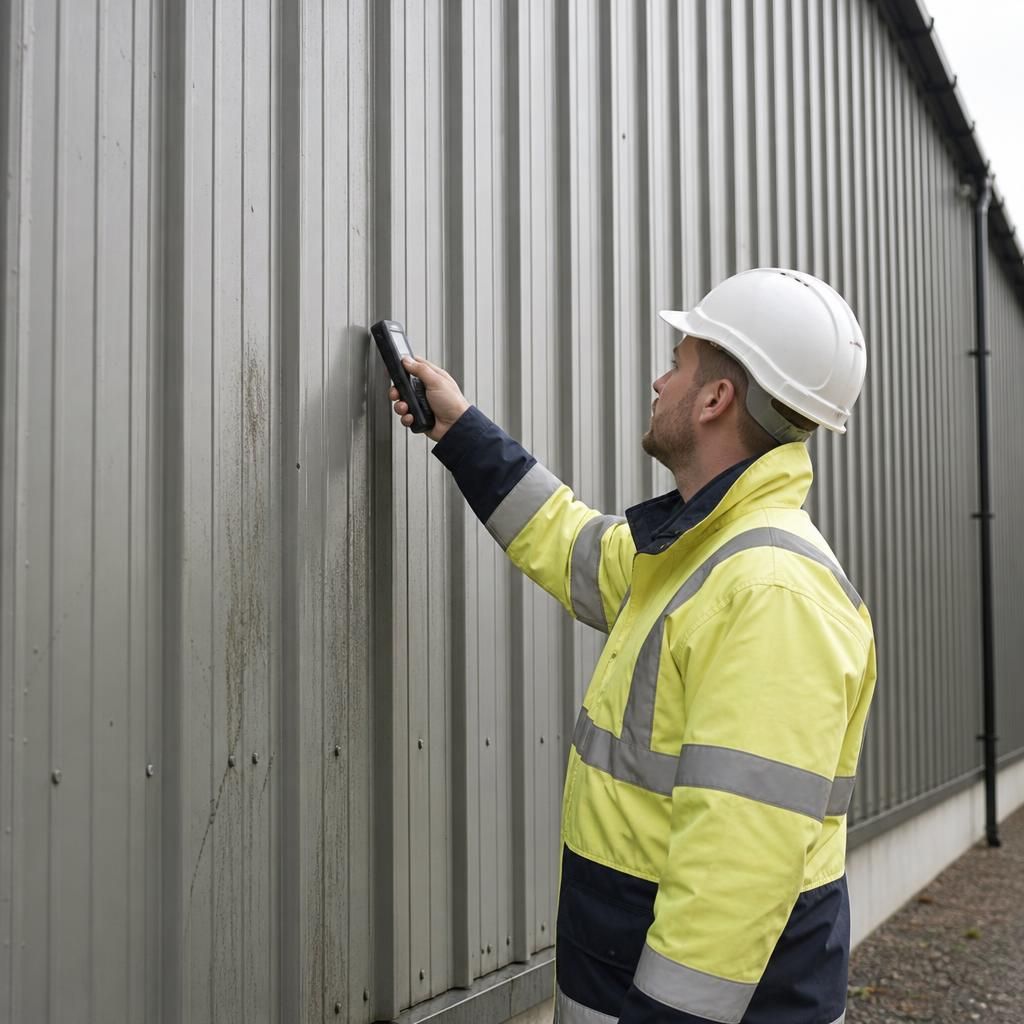
Routine cleaning removes deposits that can hold moisture against corrugated metal wall cladding and obscure early signs of coating deterioration. Start at the top of the wall and work down with clean water and a soft brush or sponge, using a mild, finish-compatible detergent only where necessary. Rinse thoroughly so that loosened dirt and cleaning residue do not dry on the panel surface. Avoid abrasive pads, harsh chemicals and aggressive pressure washing, as these can mark the coating, force water into laps or damage seals. Clean small areas first to confirm that the method is suitable, and give particular attention to shaded sections, laps, trims and areas below roof drainage points where deposits commonly collect.