What does after-sales support cover for an industrial steel building?
After-sales support for an industrial steel building covers practical guidance on its use and maintenance, together with expert assistance when questions arise about the building or its structural steelwork. It helps the owner understand ongoing care requirements and address issues relating to the supplied building package.
After-sales support for an industrial steel building covers the information and practical assistance needed after the building package has been supplied or erected. It normally focuses on understanding the completed structure, maintaining its components, interpreting the supplied drawings and dealing with questions about the building or its structural steelwork.
Understanding the completed building
The owner should retain the design information, planning elevation drawings, isometric fabrication blueprints and any records supplied with the building. These documents help identify the intended arrangement of the frame, connections, cladding and openings. After-sales guidance can help relate the drawings to the finished building, particularly where the building will be used by several people or adapted as operational needs change.
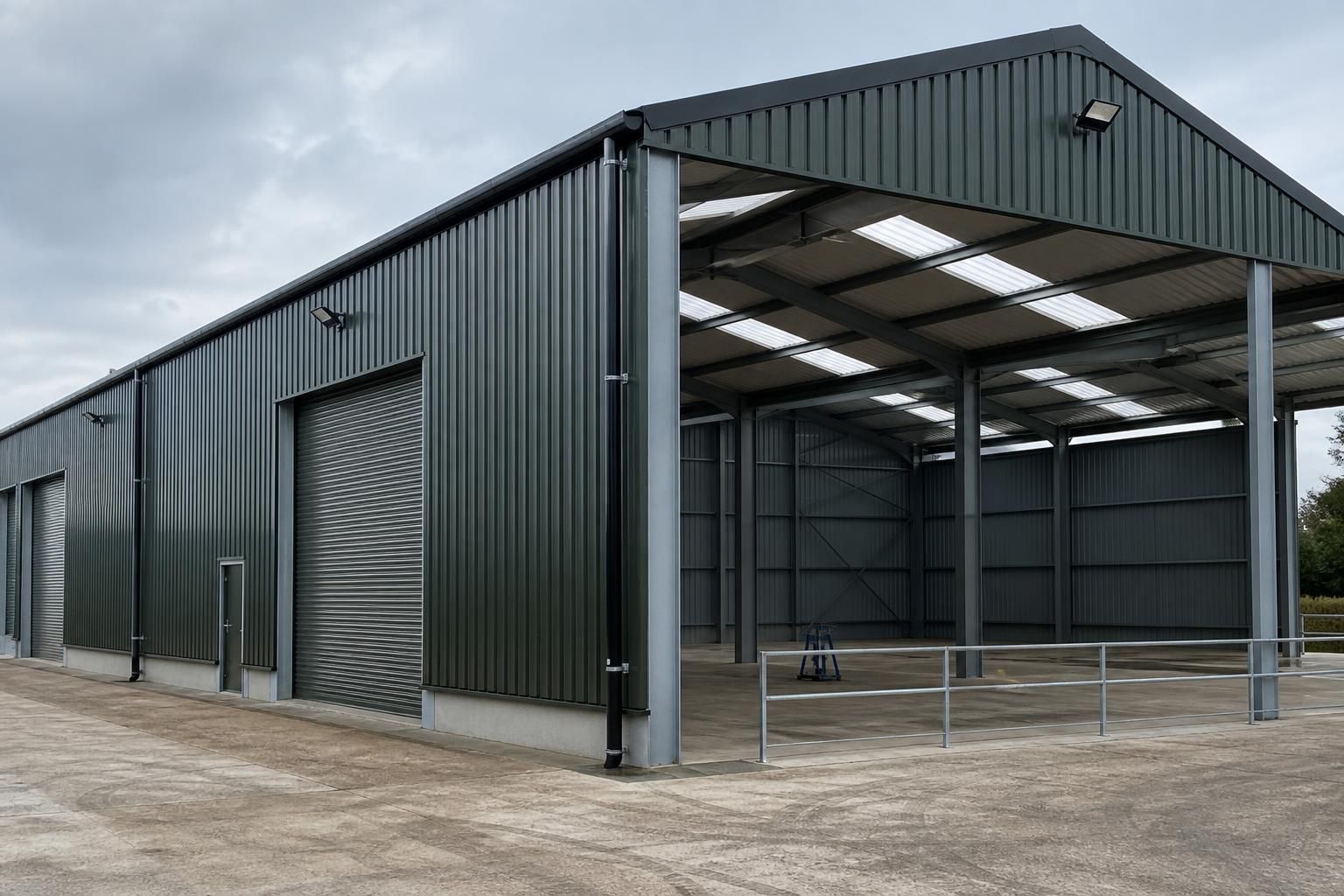
Support may also clarify the intended use of particular elements, such as doors, roof and wall cladding, gutters, flashings, ventilation components or connection details. This is important when replacing a component, investigating damage or planning work near the steel frame.
Maintenance guidance
Steel buildings require routine inspection and care rather than being left entirely unattended. Guidance can cover:
- checking the frame, connections and visible fixings for signs of damage, movement or corrosion;
- inspecting roof and wall cladding, flashings, gutters and seals for defects that could allow water ingress;
- keeping gutters, drainage routes and areas around the building clear;
- checking doors and other moving or weather-exposed components for wear or damage; and
- recording defects so that minor issues can be assessed before they affect adjacent materials or the building’s use.
The precise maintenance requirements depend on the building’s specification, location, internal environment and use. An industrial building exposed to moisture, dust, chemicals, impact from vehicles or stored materials may need closer inspection than a lightly used, dry structure. Cleaning methods and any protective treatment should be suitable for the relevant material and finish.
Help with defects and changes
When an issue is identified, useful after-sales support starts with establishing what has happened and which part of the building is affected. Photographs, measurements, the relevant drawing reference and details of any unusual loading or impact can help when seeking technical guidance. The issue may relate to cladding or drainage rather than the primary frame, so identifying the component accurately is important.
Questions can also arise when the owner wants to add equipment, alter an opening, install services, attach signs or change the internal arrangement. Such work should not compromise columns, rafters, bracing, connections or cladding. Any proposed alteration that could affect the structure or its loading should be reviewed using the building’s original design information and, where necessary, by a suitably qualified structural professional.
Support following erection
Where a full erection service has been selected, after-sales discussions may include practical questions about the assembled building and the handover information. The owner should check that the completed structure, access points, doors, drainage and visible finishes correspond with the agreed package and should raise any apparent discrepancy for assessment. A building supplied as a kit still benefits from the same type of documentation and technical clarification, although installation responsibilities and records may differ.
What good after-sales support provides
Effective support gives the owner a clear route to technical information rather than treating the building as complete at the point of delivery. It helps preserve the relationship between the original design and the building in use, supports sensible maintenance decisions and reduces the risk of making an uninformed alteration to the steelwork. It does not replace regular inspection, competent maintenance or independent engineering advice where a matter affects structural safety.
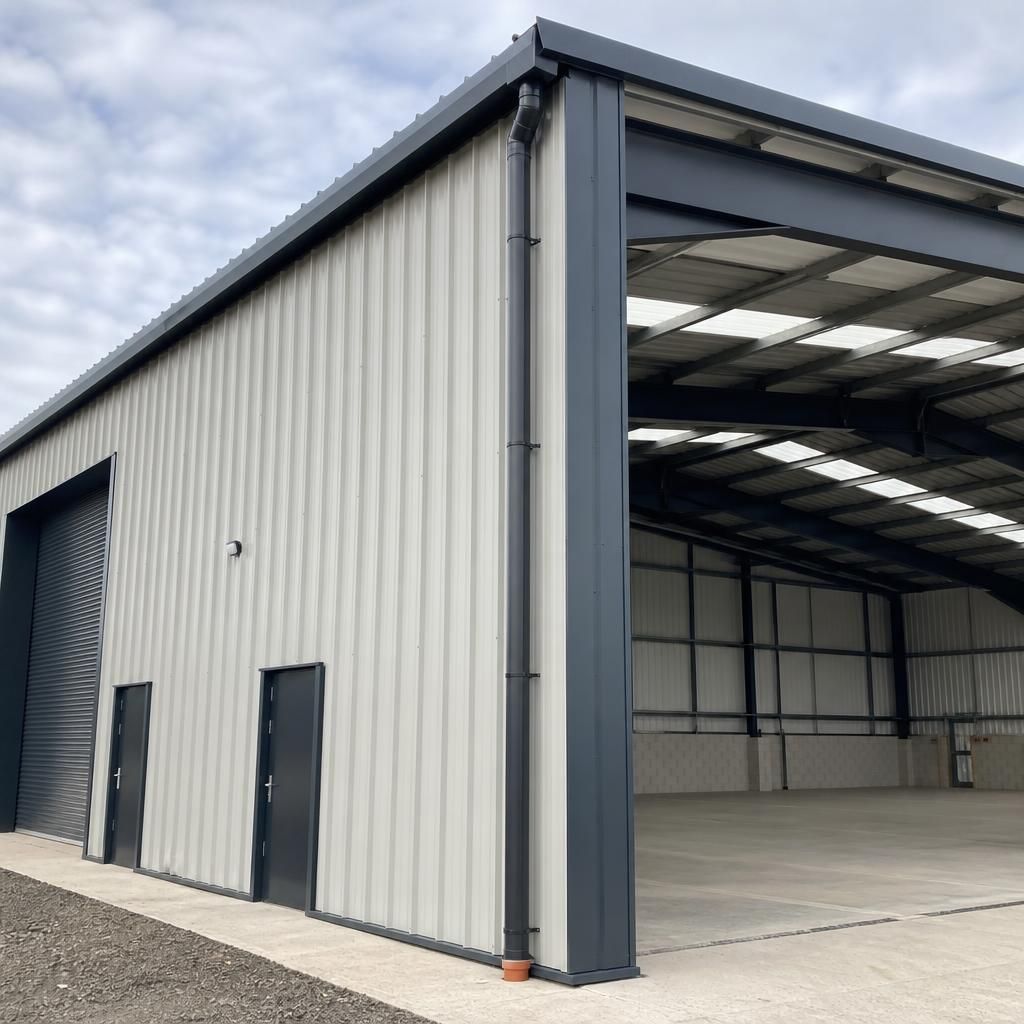
A useful part of after-sales support is maintaining a clear, traceable record of the building after handover. If a component is replaced or work is carried out, record its location, the nature of the work, the date and any drawing or written guidance used. Keep these records with the original design and fabrication information.
This history helps distinguish the original building specification from later alterations and gives future technical discussions a more accurate starting point. Where updated information is issued, the current version should be clearly identified while earlier documents are retained for reference.
Ask about after-sales support for your industrial steel building
If you have a question about an existing industrial steel building, contact Buildings UK Ltd with the relevant drawings, photographs and details of the issue. Their team can help clarify the supplied building information and identify the appropriate next step.