
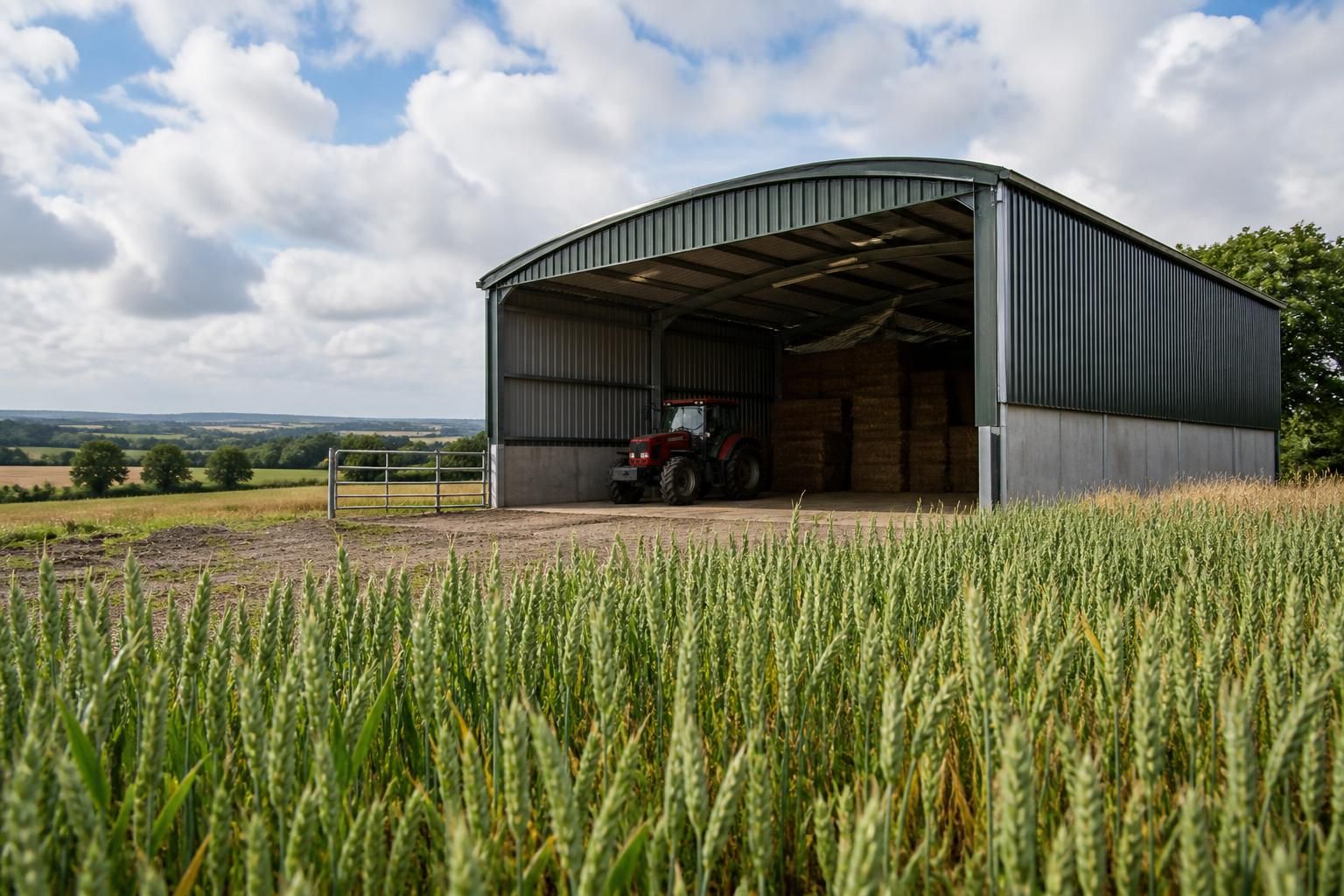
How long can temporary agricultural buildings remain in place?
Temporary agricultural buildings can remain in place only for the period allowed by the relevant planning permission or permitted development rules; there is no single time limit that applies to every building. Check the consent and its conditions before installation, and apply for further permission if the building needs to stay beyond the authorised period.
There is no universal UK time limit for a temporary agricultural building. The lawful period is determined by the planning route used, the wording of the planning permission or certificate, and any conditions attached to it. A building may remain in place only while that authorisation allows it to do so.
What determines the permitted period?
- Express planning permission: the decision notice may specify a fixed period, an expiry date, or a requirement to remove the building and restore the land. These conditions are legally important and should be checked before installation.
- Permitted development: some agricultural development may be allowed under national permitted development rights, subject to limitations, exclusions and any required prior approval. These rights do not create a general entitlement to keep every agricultural building temporarily on site for a particular number of years.
- Temporary use of land: the commonly referenced 28-day allowance relates to certain temporary uses of land. It is not a blanket rule permitting an agricultural building to be erected and retained for 28 days, or for any longer period, without considering the planning legislation that applies to the structure.
- Devolved planning rules: England, Wales, Scotland and Northern Ireland have separate planning legislation and permitted development regimes. The applicable national rules and the local planning authority should therefore be identified before relying on a time limit.
Temporary does not always mean short-term
In planning terms, a building is not automatically temporary simply because it is described that way or can technically be dismantled. The authority may consider its construction, foundations, connections to services, intended use, appearance, effect on the land and the length of time it is expected to remain. A structure that is installed as a long-term facility may require planning permission even if it is capable of being taken apart later.
The proposed period should be stated realistically in any application. A temporary permission is more likely to be considered on its actual circumstances, such as an interim storage requirement, seasonal agricultural activity, or a short-term operational need. Keeping the building beyond the authorised period can turn an otherwise lawful arrangement into a planning breach.
Check the conditions, not just the decision title
The permission documents may control more than the date of removal. Conditions can restrict the building’s use, position, size, appearance, hours of associated activity, or connection to other development. They may also require the land to be cleared and reinstated when the permission ends. An approval described as temporary should therefore be read alongside its full schedule of conditions and approved drawings.
If the building is being supplied or erected in stages, the authorised period normally relates to the development as approved, rather than to the date of manufacture or delivery. Altering the footprint, extending the building, changing its agricultural use or adding permanent services may require separate planning consideration.
Can the period be extended?
An extension is not automatic. If the building is needed for longer, the owner should discuss the position with the local planning authority and submit the appropriate application before the permission expires or the removal date is reached. The authority may grant a further temporary permission, approve a variation where that procedure is available, or require an application for permanent retention.
Applying after the authorised period has ended is riskier. The authority could require removal, pursue enforcement action, or assess the continued presence as an unauthorised development. A planning application does not by itself provide permission to ignore an existing removal condition.
Practical checks before installation
- Identify the planning jurisdiction and the proposed planning route.
- Confirm whether the development needs prior approval, a full planning application, or is genuinely covered by permitted development rights.
- Record the authorised start date, expiry date and any removal or restoration requirements.
- Ensure the proposed use, dimensions, position and access arrangements match the approved information.
- Review the position well before expiry if the agricultural need is likely to continue.
Building regulations, highways matters, environmental controls and other consents may apply separately from planning permission. They do not extend a temporary planning period. The safest answer for a particular site is therefore found in the relevant decision notice, permitted development provisions and written advice from the local planning authority, rather than in a standard number of years.
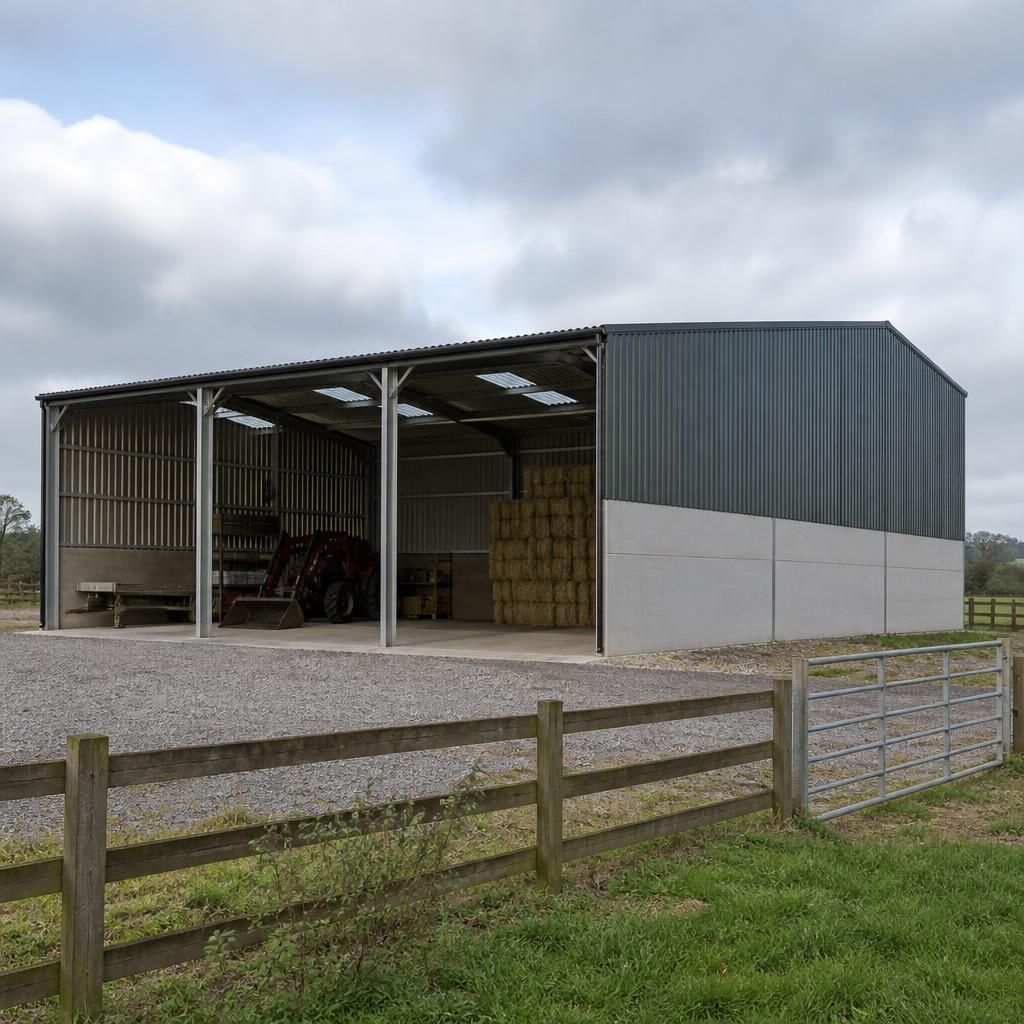
The physical condition of a temporary agricultural building does not determine how long it may lawfully remain in place. A well-maintained steel-framed structure may still have to be removed when its planning permission ends, while damage, instability or deterioration could require earlier action for safety.
Plan inspections and any dismantling or reinstatement work around the authorised end date. Keeping records of the building’s condition, repairs and use can also help demonstrate that it has remained consistent with the approved proposal if the local planning authority asks for information.