Why is hot-rolled steel used for building frames?
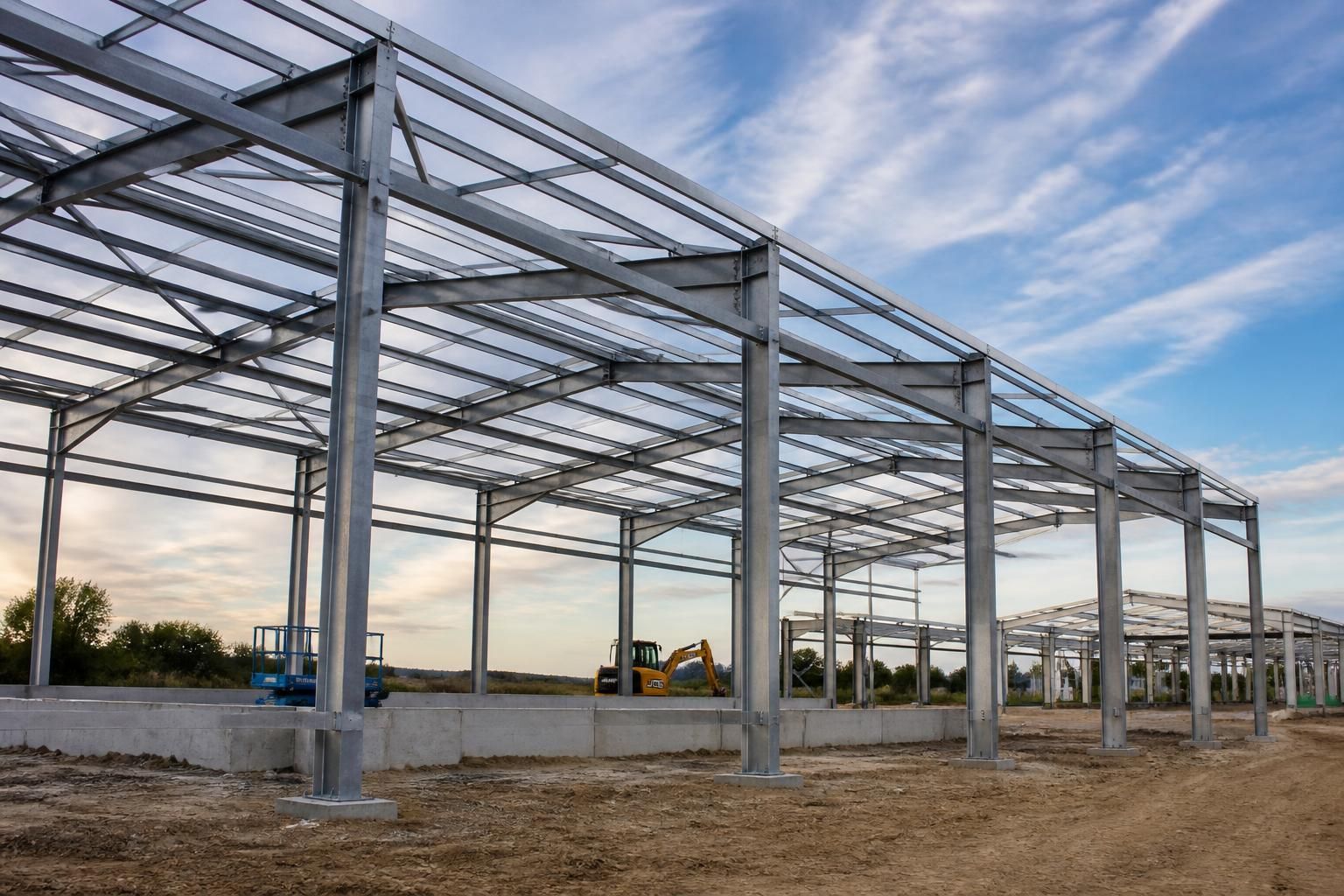
Hot-rolled steel is used for building frames because it provides high structural strength, durability and dependable load-bearing performance. Its consistent properties make it suitable for designing robust frames for industrial, agricultural and equestrian buildings in a range of bespoke configurations.
Hot-rolled steel is used for building frames because it can be formed into efficient structural sections while the material is heated, producing predictable shapes that are practical to design, fabricate and assemble. This makes it well suited to columns, rafters, beams and other primary members in large buildings.
During hot rolling, steel is passed through rollers at a temperature high enough to make it malleable. The process creates standard sections such as universal beams, universal columns, channels and hollow sections. Each shape places material where it contributes most effectively to the member’s performance, helping structural engineers develop frames without relying on unnecessarily solid or irregular components.
- Efficient structural geometry: I-shaped beams and similar profiles provide useful resistance to bending, while columns can be selected to suit the forces and dimensions of the frame.
- Consistent manufacture: Standardised sections have established dimensions and engineering properties, allowing calculations, detailing and fabrication to be based on reliable information.
- Practical fabrication: Hot-rolled sections can be cut, drilled, connected and welded as part of a planned fabrication process. This supports accurate production of frame components before they reach the construction site.
- Adaptability: Different section sizes and arrangements can be combined to suit the span, height, loading and intended use of a building rather than forcing every project into one standard layout.
Another reason for choosing hot-rolled steel is its suitability for engineered connections. Bolted and welded joints can be detailed to transfer forces between columns, rafters, bracing members and secondary steelwork. Connection design is essential: the strength of a frame depends not only on the individual sections but also on how those sections are joined and restrained.
Hot-rolled steel is particularly useful where a building has wide internal areas, substantial roof loads, large openings or equipment that affects the structural arrangement. Agricultural and equestrian buildings may require open, unobstructed spaces, while industrial buildings can need frames coordinated with access points, machinery, storage systems or future alterations. Selecting appropriate hot-rolled members allows these requirements to be addressed within a coordinated structural design.
The hot-rolling process also avoids some of the limitations associated with making structural members from thin sheet by cold forming. Cold-formed sections can be useful for lighter applications, but their thinner walls and different buckling behaviour require careful assessment. Hot-rolled sections are often preferred for the principal frame where larger forces, longer spans or more substantial connections need to be considered.
Material selection is only one part of a safe steel building design. The frame must be assessed for actions such as permanent roof weight, imposed loads, wind, snow where applicable, and forces introduced through doors, cladding, internal equipment or attached structures. Engineers also consider lateral stability, bracing, member buckling, deflection and the behaviour of the foundations. A hot-rolled section that appears suitable in isolation may not be appropriate without this wider assessment.
Protection is considered separately from the reason for using hot-rolled steel. Exposure to moisture, chemicals and aggressive environments can affect the treatment or coating specified for the completed steelwork. Fire performance may also influence the required protection, depending on the building’s use and design. These issues should be addressed in the specification rather than assumed from the choice of steel section alone.
For bespoke steel buildings, hot-rolled sections provide a dependable basis for translating the design into fabrication drawings and an assembled frame. The final arrangement should be determined by the building’s dimensions, loads, connections, stability system, site conditions and intended use, with structural design completed by the appropriately responsible professional.
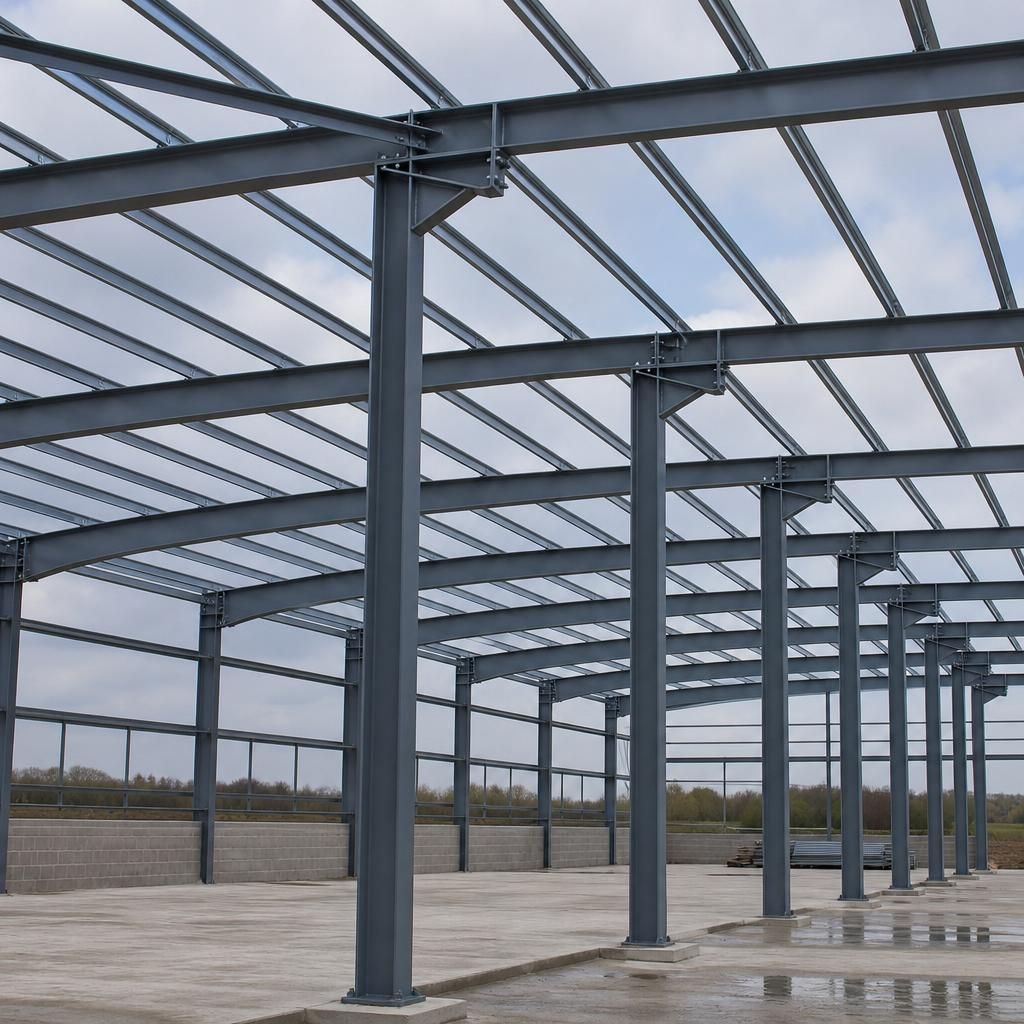
Hot-rolled steel offers a favourable strength-to-weight ratio, allowing a primary frame to carry substantial loads without requiring excessively bulky members. This can help preserve usable internal space and reduce the permanent weight transferred through the columns and foundations, subject to the structural design.
Its efficient use is particularly relevant where a building needs clear floor areas, generous headroom or large openings. The engineer can select section sizes that provide the required resistance while keeping the frame proportionate to the building’s span, height and loading conditions.
Explore your hot-rolled steel frame options
If you are assessing hot-rolled steel for an industrial, agricultural or equestrian building, discuss your span, loading and intended use with Buildings UK Ltd. Their bespoke design package can help establish a suitable frame arrangement before fabrication.