What does after-sales support cover after industrial building construction?
After-sales support covers practical guidance on using and maintaining the building, assistance with repairs, and help with warranty matters where applicable. It provides a point of contact for addressing construction-related queries after the project is complete.
After-sales support for an industrial building covers the technical, practical and administrative assistance needed once construction is complete. It helps the owner understand the finished steel-framed building, identify the cause of any problems, arrange appropriate remedial work and keep relevant project and warranty information in order.
A useful after-sales process begins with the handover information for the building. This may include approved design information, planning elevation drawings, isometric fabrication blueprints and details of the steelwork used. Keeping these records safely gives the owner and future contractors a reliable reference for inspections, repairs, extensions or changes to the building’s use.
Support can also cover guidance on routine care. Although the building’s exact requirements depend on its design, location and use, advice may relate to:
- checking visible steelwork, cladding, doors, gutters and flashings for signs of damage or deterioration;
- keeping drainage routes clear and reporting leaks or water ingress;
- identifying damage caused by impact, weather, equipment or changes to the surrounding ground;
- understanding which maintenance tasks are the owner’s responsibility; and
- recognising when an issue needs assessment by a suitably qualified professional.
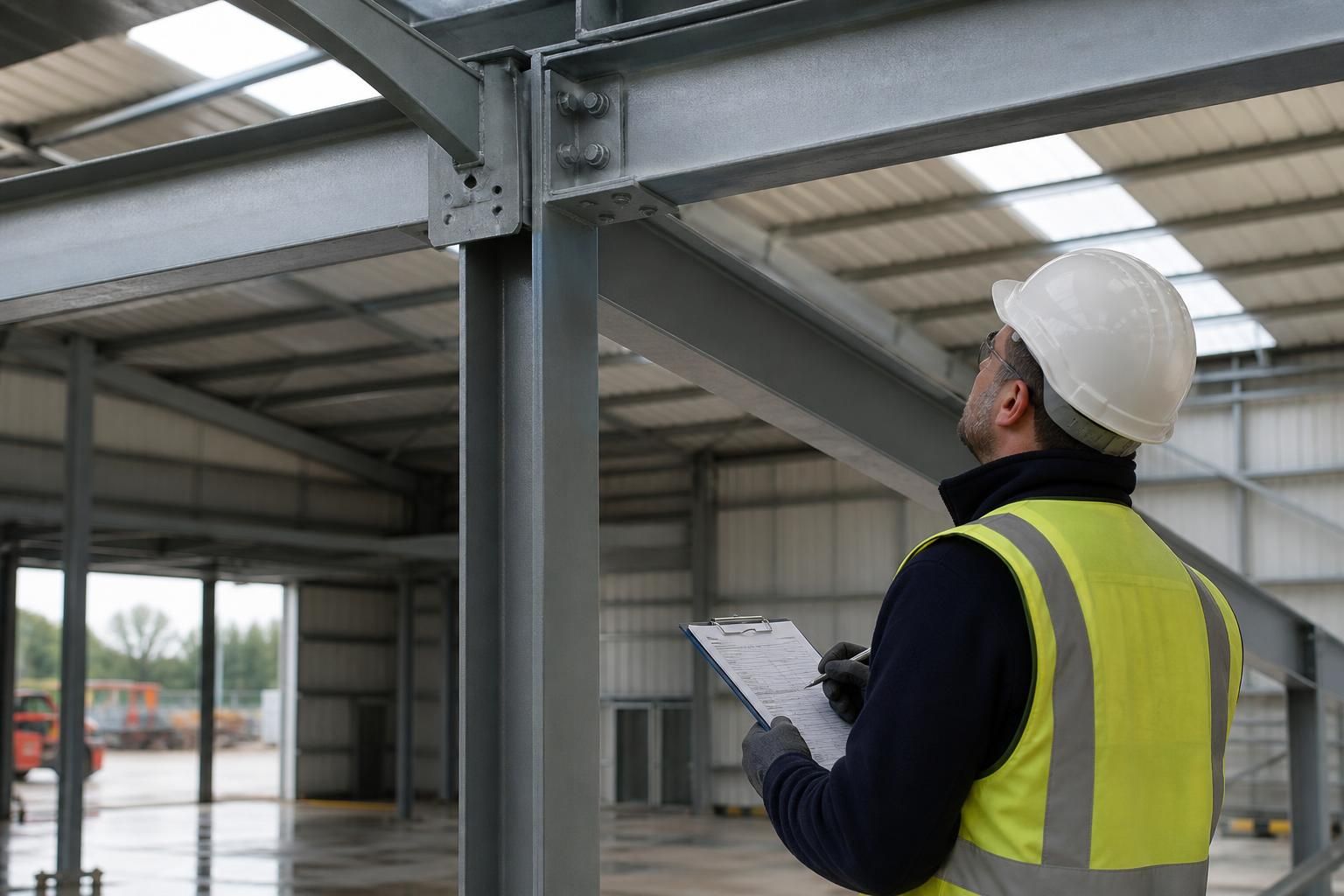
When a defect or concern is reported, after-sales assistance should establish what has happened before remedial work is proposed. The review may consider photographs, the building’s records, the location and extent of the problem, and whether the issue relates to construction, normal wear, accidental damage, another contractor’s work or later alterations. This distinction matters because the appropriate repair and any warranty consideration depend on the underlying cause.
Where repairs are needed, support may include technical advice, recommendations for suitable remedial work and coordination of repair arrangements. Structural steel should not be cut, drilled, removed or altered without checking the design implications. Advice about an extension, new opening, suspended load or change of use may therefore need to be referred back to the building’s design information and assessed by a competent designer or structural engineer.
Warranty assistance is another part of after-sales support where a warranty applies. The relevant documents should explain what is covered, the applicable terms, any exclusions and the information needed to submit a claim. A warranty does not normally replace routine maintenance or cover every type of damage. Owners should retain invoices, completion information, inspection notes and photographs of significant issues, as these records can help when a warranty matter is reviewed.
Support may also be relevant when the building is adapted after completion. Industrial premises commonly change as machinery, storage arrangements, access requirements or internal layouts develop. Before making changes, the owner should check whether they could affect the frame, foundations, cladding, fire strategy, drainage or building-control requirements. Existing drawings and fabrication information can help inform that assessment, but they do not automatically approve a later alteration.
For a building kit supplied for customer erection, the scope of post-completion assistance can differ from a project delivered with a full erection service. The owner should confirm which elements were included in the original contract, which works were carried out by others and which components remain subject to separate manufacturer or installer terms. Clear project records make those responsibilities easier to establish.
In practical terms, comprehensive after-sales support should leave the owner with:
- a clear record of the completed building and its structural information;
- guidance on appropriate inspection and maintenance;
- a defined route for raising construction-related concerns;
- technical input when faults, damage or proposed alterations need assessment; and
- assistance in understanding applicable warranty conditions.
Buildings UK Ltd provides after-sales customer care for its British-made steel-framed buildings and structural steelwork. The precise support available depends on the contract, the building specification and the nature of the issue, so these details should be confirmed against the project documentation.
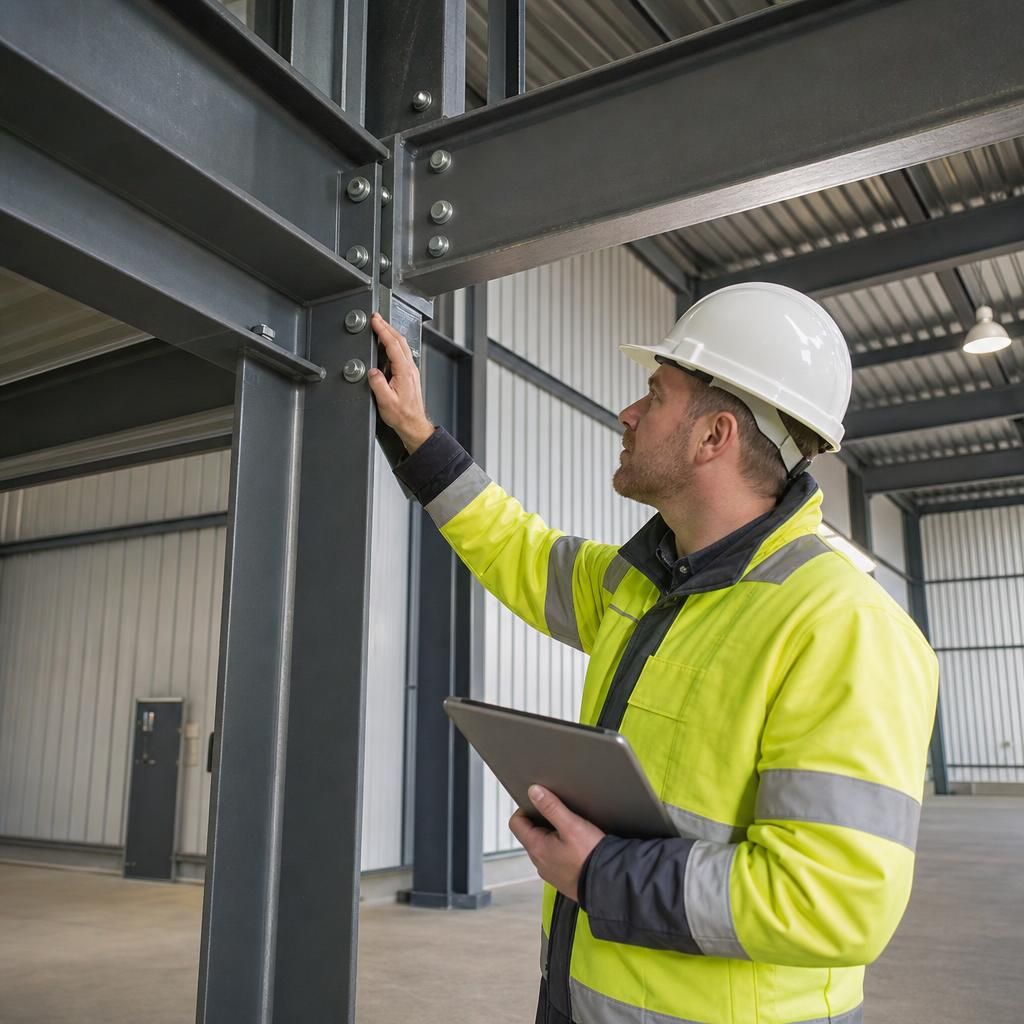
After-sales support also helps assess the urgency of a reported problem, so safety concerns are distinguished from defects that can be monitored or addressed through planned maintenance. This is particularly important in an industrial building, where damage to the frame, cladding, access equipment or load-bearing components may affect people, vehicles, machinery or stored goods.
If there is visible movement, impact damage, a substantially distorted connection, major water ingress or damage following severe weather, the affected area should be kept clear until it has been assessed by a suitably qualified person. Owners should avoid attempting temporary structural alterations, removing damaged components or allowing continued use where the condition may create a risk. Clear photographs, the location of the issue and details of any recent impact or incident can help establish the appropriate next step.
This risk-based approach makes after-sales support more useful: minor defects can be recorded for planned attention, while potentially hazardous conditions are identified for prompt technical assessment without relying on guesswork or unapproved repairs.