When is a steel shed kit preferable to full erection?
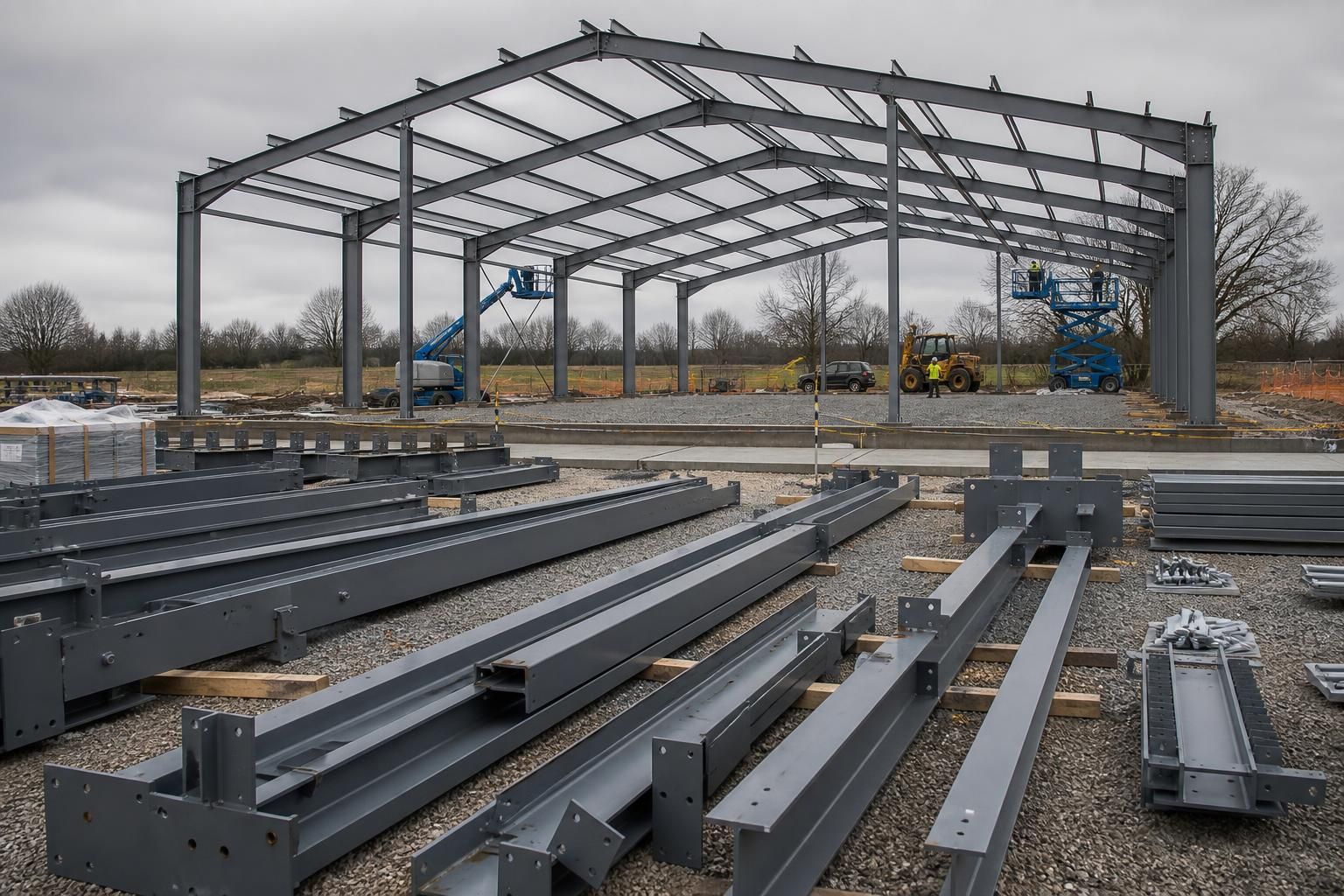
A steel shed kit is preferable when you have suitable site access, an experienced erection team and the capacity to coordinate construction yourself, giving you greater control over the installation process. Full erection is generally more suitable when you want the manufacturer to manage assembly, particularly for bespoke designs, complex sites or projects requiring coordinated structural steelwork.
A steel shed kit is preferable to full erection when the project benefits from separating manufacture from assembly and you have the resources to manage the installation responsibly. The main advantages are greater control over labour, sequencing and site decisions, but the kit option also transfers more coordination and construction responsibility to the buyer.
The choice should be based on the whole delivery process rather than the purchase price of the frame alone. Compare the cost of the kit with labour, lifting equipment, access arrangements, storage, site supervision and any specialist work needed to complete the building. A kit may reduce the amount of bought-in erection work, but it does not remove the need for competent assembly, safe working practices or coordination with the groundworks and cladding elements.
- Choose a kit where the building is relatively straightforward. A regular layout, clear spans and limited interfaces between structural elements make the assembly sequence easier to plan. This is particularly relevant where the building will follow a familiar agricultural, storage or workshop arrangement.
- Choose a kit where you already have suitable construction resources. An established team, appropriate lifting equipment and a person able to interpret structural drawings can make self-managed assembly practical. The team must still work to the supplied design information and applicable site-safety requirements.
- Choose a kit where you want to control the installation sequence. A buyer managing several trades may prefer to coordinate the frame, envelope, doors, services and internal fit-out around their own programme. This can suit projects carried out in stages or buildings that need to remain adaptable during construction.
- Choose a kit where clear responsibility has been agreed in advance. Before ordering, identify who will receive and inspect the steelwork, provide lifting operations, resolve site queries and verify that the completed frame is assembled in accordance with the design. Written clarification of these responsibilities helps prevent gaps between the kit supplier, erector and other contractors.
Full erection is often the more appropriate option when the owner does not routinely manage structural construction or wants one party to take responsibility for assembling the frame. It can also be preferable where several elements need to be coordinated on site, where tolerances are critical, or where the building has unusual geometry, openings or connections. The issue is not simply whether the frame can be assembled; it is whether the entire process can be supervised and integrated correctly.
Design information is an important part of the comparison. A properly prepared package may include planning elevation drawings and isometric fabrication blueprints, allowing the buyer and erection team to understand the intended arrangement before work begins. Those drawings should be reviewed against the site dimensions, foundation design, access limitations and any changes in use. If the design is bespoke, the benefit of full erection may increase because the installation team must follow a more specific sequence and coordinate more details.
Responsibility for changes should also be considered. With a kit, alterations requested after manufacture may affect fabrication, connection details or the erection sequence, so changes should be referred back to the designer before work proceeds. Full erection does not remove the need to approve changes, but it can provide a clearer route for handling queries during assembly when the erection service and design information are being managed together.
For a business deciding between the two options, a useful comparison is:
- Define exactly what the kit includes and which items remain the buyer’s responsibility.
- Obtain a realistic assessment of labour, plant, delivery handling, storage and supervision.
- Check that the proposed erection team is competent for hot rolled structural steelwork.
- Review the drawings and confirm that the foundations, finished floor levels and site dimensions match the design.
- Decide who will manage inspections, queries, variations and coordination with other contractors.
- Compare the resulting cost and project risk with the quoted full erection service, rather than comparing supply prices alone.
Buildings UK Ltd supplies British-made, CE-marked hot rolled steel framed buildings as kits or with a full erection service. Its bespoke design packages can include planning elevation drawings and isometric fabrication blueprints, which provide useful information when assessing whether a project is suitable for self-managed assembly. For a buyer with the right construction capability and a well-defined scope, the kit route can offer practical control. Where responsibility, coordination or design complexity are the greater concerns, full erection may provide the more suitable delivery arrangement.
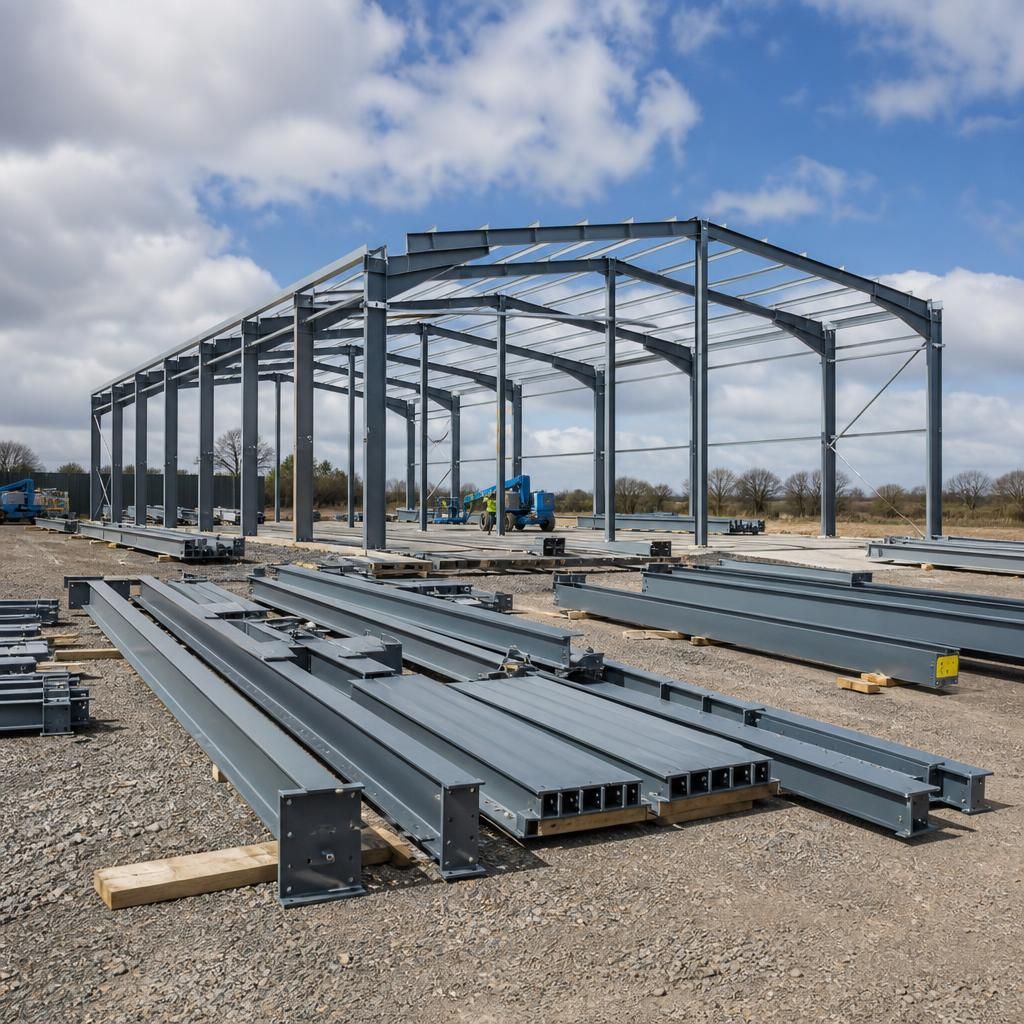
A steel shed kit is preferable for a phased project only when the erection sequence has been planned around the frame’s temporary stability. A partially assembled steel structure may require temporary bracing, restraints or other measures until the permanent connections, roof and wall elements are complete. These requirements should be established from the structural design before work begins, rather than decided informally on site.
This makes the kit option more suitable where the project team can follow a defined assembly sequence and prevent materials or incomplete sections from being exposed to avoidable site risks. If the building must be made secure in stages, confirm which components are needed at each stage and whether the proposed sequence is acceptable to the designer. Full erection may be the more appropriate arrangement where that temporary works planning cannot be managed confidently by the buyer.
Compare Your Steel Shed Kit and Full Erection Options
Review your site requirements, construction resources and preferred delivery arrangement with Buildings UK Ltd to determine whether a steel shed kit or full erection best suits the project. Request a tailored comparison based on the proposed building and design scope.