
What maintenance do corrugated steel roofing sheets require?
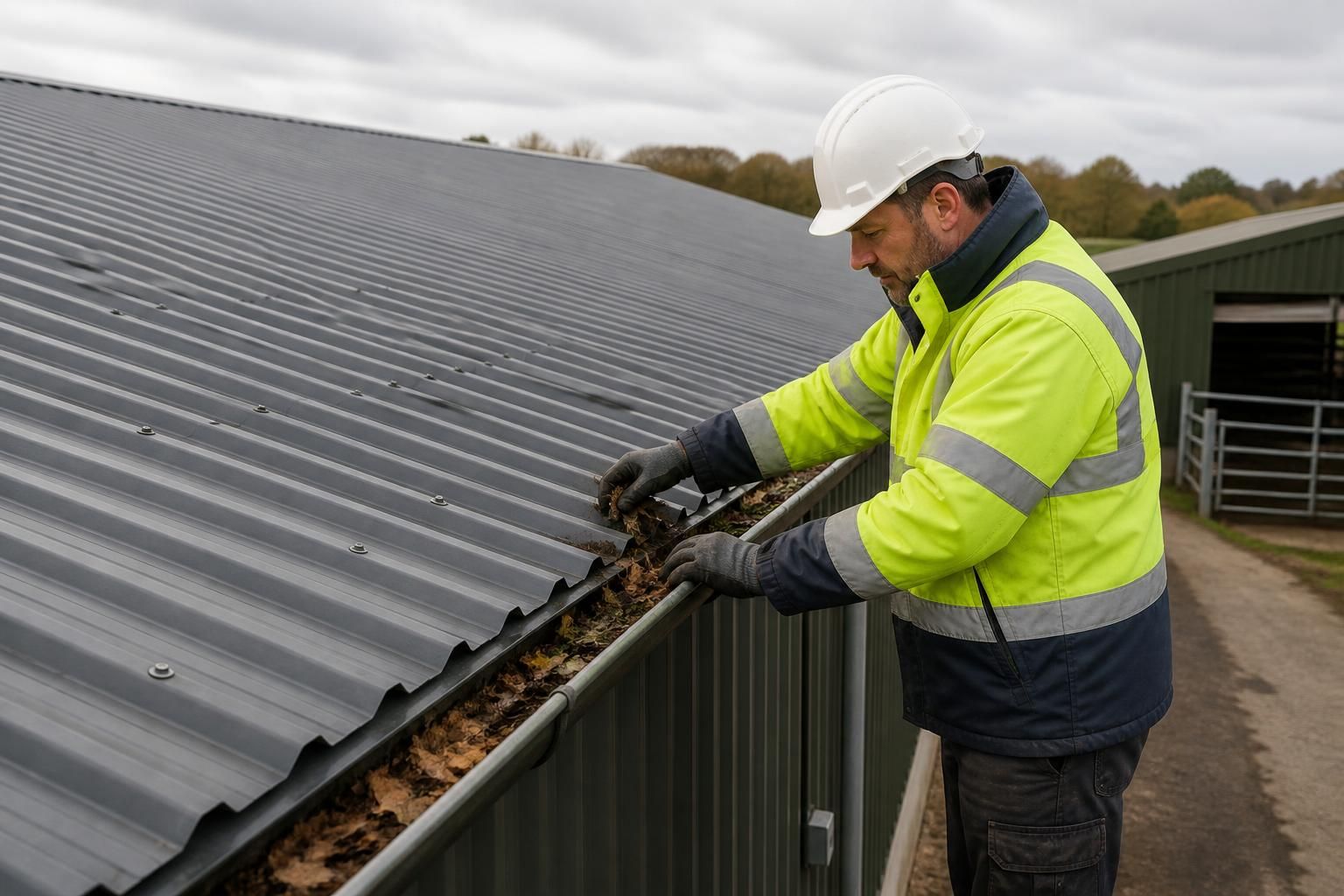
Corrugated steel roofing sheets require periodic visual inspections, removal of accumulated leaves and debris, and checks for loose fixings, damaged coatings, corrosion and water ingress. Keep gutters and roof drainage clear, repair minor coating damage promptly, and replace severely corroded or damaged sheets to preserve the roof’s weather resistance and structural security.
Maintenance of corrugated steel roofing sheets is mainly a matter of protecting the coated steel, preserving the watertight details around joints and penetrations, and preventing conditions that allow condensation or contamination to shorten the roof’s service life. The correct approach depends on the sheet finish, roof pitch, exposure and the way the building is used.
Clean the surface appropriately. Where washing is necessary, use clean water and a soft brush or non-abrasive cloth. A mild, compatible detergent can be used for persistent deposits, provided it is thoroughly rinsed away. Avoid abrasive pads, aggressive solvents and uncontrolled pressure washing, as these can mark or strip the protective finish. Do not drag tools, ladders or materials across the sheets; even small scratches can expose the underlying metal.
Deal with organic growth and contamination carefully. Moss, algae, bird deposits, fertiliser dust, livestock residues and industrial pollutants can retain moisture against the coating. Remove them using methods that do not damage the finish, taking care that wash water does not contaminate stored goods, animals, soil or drainage systems. Buildings used for agriculture may need particular attention to airborne ammonia and other corrosive contaminants, especially where ventilation is poor.
Protect cut edges and penetrations. New openings for vents, rooflights, flues or other equipment should be formed and sealed in accordance with the roofing system’s installation requirements. Exposed cut edges should receive a compatible protective treatment where specified. Sealants and closure materials around laps, abutments and penetrations should remain flexible and firmly seated; incompatible products can affect the coating or fail to accommodate movement. Any remedial product should be checked for compatibility with the existing sheet finish.
Pay attention to the underside of the roof. Condensation can occur when warm, moisture-laden air meets a cold sheet underside. In agricultural and industrial buildings, sources may include animals, wet materials, wash-down processes and unvented heating. Adequate ventilation, vapour control and suitable insulation design help reduce this risk. Persistent dampness beneath the sheets should be investigated rather than treated as a surface-cleaning issue, because it can affect fixings, purlins, stored goods and internal air quality.
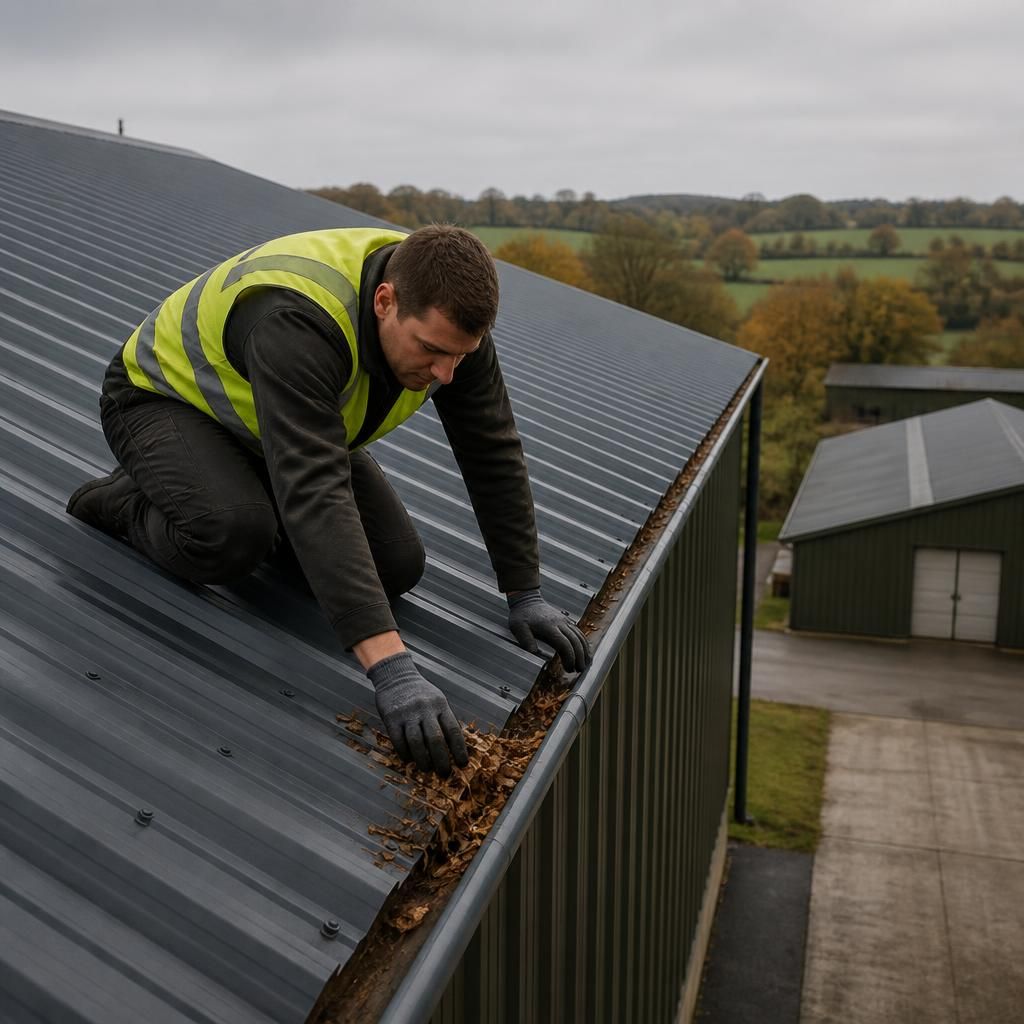
Use safe access methods. Corrugated sheets are not automatically suitable for walking on, particularly when wet, weathered or unsupported between purlins. Maintenance should be carried out from suitable access equipment, using designated walkways or crawling boards where the roof system requires them. Fragile rooflights may be difficult to distinguish from steel sheets, so the roof layout should be established before anyone accesses it. Work near edges, openings and electrical or mechanical equipment requires additional controls.
Keep a maintenance record. Record the sheet profile and finish where known, areas treated, products used, repairs completed and any changes to roof-mounted equipment. This helps prevent incompatible repair materials being applied later and makes it easier to identify recurring problems, such as repeated condensation or movement around a penetration. A competent roofing professional should assess damage that extends beyond the surface finish, affects the supporting structure or cannot be safely reached from suitable access equipment.
When local repair is appropriate, replacement sections should match the existing profile, thickness, coating and lap arrangement as closely as possible. The surrounding support, sealing details and drainage path also need to be checked, since replacing a sheet alone will not correct a defect in the roof build-up. Maintenance is therefore not limited to repainting: it includes protecting the whole roof assembly and addressing the environmental or construction condition causing deterioration.
Maintenance requirements can change when the building’s use changes. Converting a storage area to livestock housing, introducing wash-down processes, installing heating, or adding roof-mounted equipment can increase moisture, chemical contamination or movement at penetrations. Review the roofing arrangement after any such alteration and check that ventilation, vapour control, drainage and protective details remain suitable for the new conditions. This is particularly important where the original roof design was intended for a drier or less corrosive environment.