Which coating should metal roofing sheets use in corrosive environments?
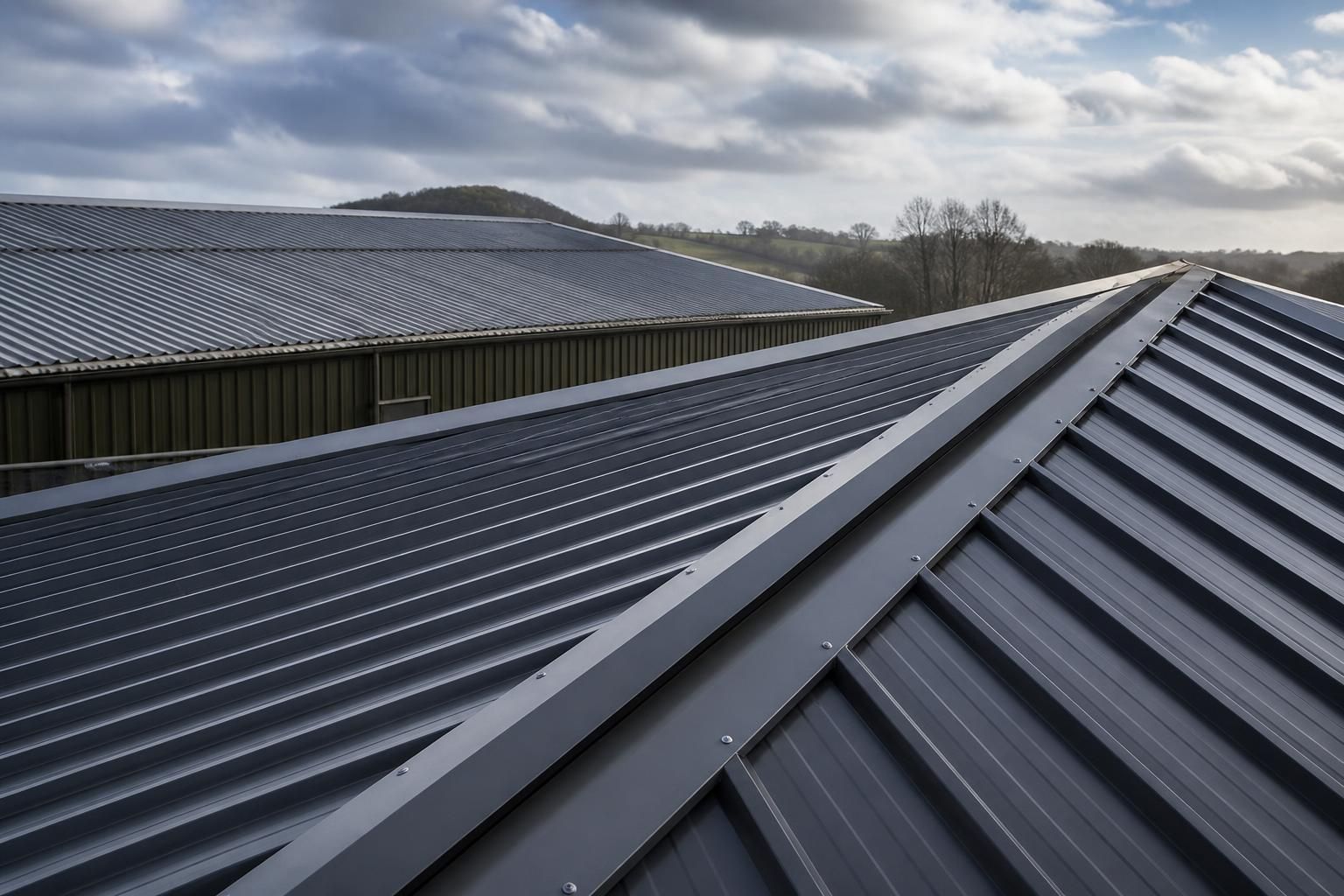
There is no single best coating for every corrosive environment: select a factory-applied metallic coating, such as galvanised or zinc-aluminium, according to the site’s corrosion category and exposure conditions. Where additional protection or colour retention is required, a compatible organic topcoat can be specified over the metallic coating.
The appropriate coating for metal roofing sheets in a corrosive environment is determined by the site’s corrosion category, the pollutants or chemicals present, moisture levels, and the expected service life of the roof. A metallic coating provides the primary barrier and sacrificial protection, while an organic finish can add resistance to weathering, colour loss and specific atmospheric conditions.
Galvanised coatings use zinc to protect the underlying steel. Zinc corrodes preferentially to steel, so it can continue to protect small exposed areas such as minor scratches and cut edges, subject to the severity of the exposure. Galvanised sheets are commonly considered for ordinary rural, urban and industrial atmospheres where the roof is not subjected to persistent chemical fumes, salt spray or aggressive condensation.
Zinc-aluminium coatings combine the protective properties of zinc with the barrier effect of aluminium. They can be suitable where improved resistance to atmospheric corrosion is required, particularly on lightweight profiled sheets and roofs exposed to changing moisture conditions. The exact alloy composition and coating mass should be checked against the manufacturer’s technical information rather than treated as interchangeable with every galvanised specification.
Organic-coated sheets have a metallic layer beneath a painted or polymeric finish. This system is useful where the roof also needs resistance to ultraviolet exposure, colour fading or repeated wetting. Polyester, plastisol and other coating systems have different resistance to abrasion, chemicals and sunlight, so the finish should be selected for the actual environment rather than for colour alone. A painted coating is not a substitute for an adequate metallic coating beneath it.
Environmental assessment should consider more than the general location of the building. Important factors include:
- Salt-laden air, sea spray and wind-driven moisture on coastal or exposed sites.
- Industrial gases, acidic pollutants and dust that may settle on the sheet surface.
- Ammonia and other aggressive vapours associated with livestock housing, manure storage and some agricultural processes.
- Persistent condensation on the underside, especially where ventilation is limited.
- Debris, standing water and deposits that remain in laps, gutters or behind flashings.
- Contact with treated timber, wet concrete, mortar, copper, lead or other materials that may create chemical or galvanic attack.
Agricultural buildings need particular care because corrosion may originate inside the building as well as outside it. Warm, humid air containing ammonia can condense beneath the roof, while dust and organic deposits retain moisture against the coating. In these conditions, sheet selection should be considered alongside ventilation, insulation, vapour control, drainage and internal lining details. A coating suitable for an open-sided storage building may not be appropriate for an enclosed livestock building.
Coating thickness and specification are as important as the coating type. The required metallic coating mass, paint system, reverse-side protection and finish durability should be matched to the assessed exposure. The supplier’s declaration and technical data should identify the steel grade, metallic coating designation, organic coating system and any restrictions on use. If the environment is unusually aggressive, the specification may need to be reviewed against the relevant corrosion classification and the coating manufacturer’s stated service conditions.
Edges, penetrations and fixings require the same attention as the main sheet surface. Cutting, drilling and site handling can expose steel or damage the finish. Sheets should be cut using methods recommended for coated steel, with swarf removed promptly so that it does not rust and stain the surface. Exposed edges should be treated where the coating system requires it. Fixings, washers, sealants and flashings should be compatible with the sheet coating; unsuitable metals can accelerate local corrosion around holes and joints.
Roof design also affects coating performance. Adequate falls and correctly sized drainage reduce the time that water remains on the sheet. Laps should not collect dirt, and details should prevent water from being trapped beneath flashings or around penetrations. Dissimilar materials should be separated where necessary, and areas that cannot dry naturally should be avoided or specifically protected.
Regular inspection is useful even when a durable coating has been selected. Check for damaged areas, rust staining, blocked gutters, failed sealants, loose fixings and deposits that retain moisture. Cleaning should follow the coating manufacturer’s instructions: abrasive methods and aggressive solvents can remove the protective finish and create a more serious problem than the original deposit.
In practice, the specification should record the exposure conditions, the selected metallic coating, the external and reverse-side finishes, compatible accessories and the maintenance requirements. For a standard atmosphere, galvanised or zinc-aluminium coated sheets may be adequate. For marine, industrial or livestock-related exposure, a higher-performance system and more detailed assessment are usually appropriate. The correct decision is therefore the coating system that matches the complete environment, including the underside of the roof, rather than the sheet’s appearance or base metal alone.
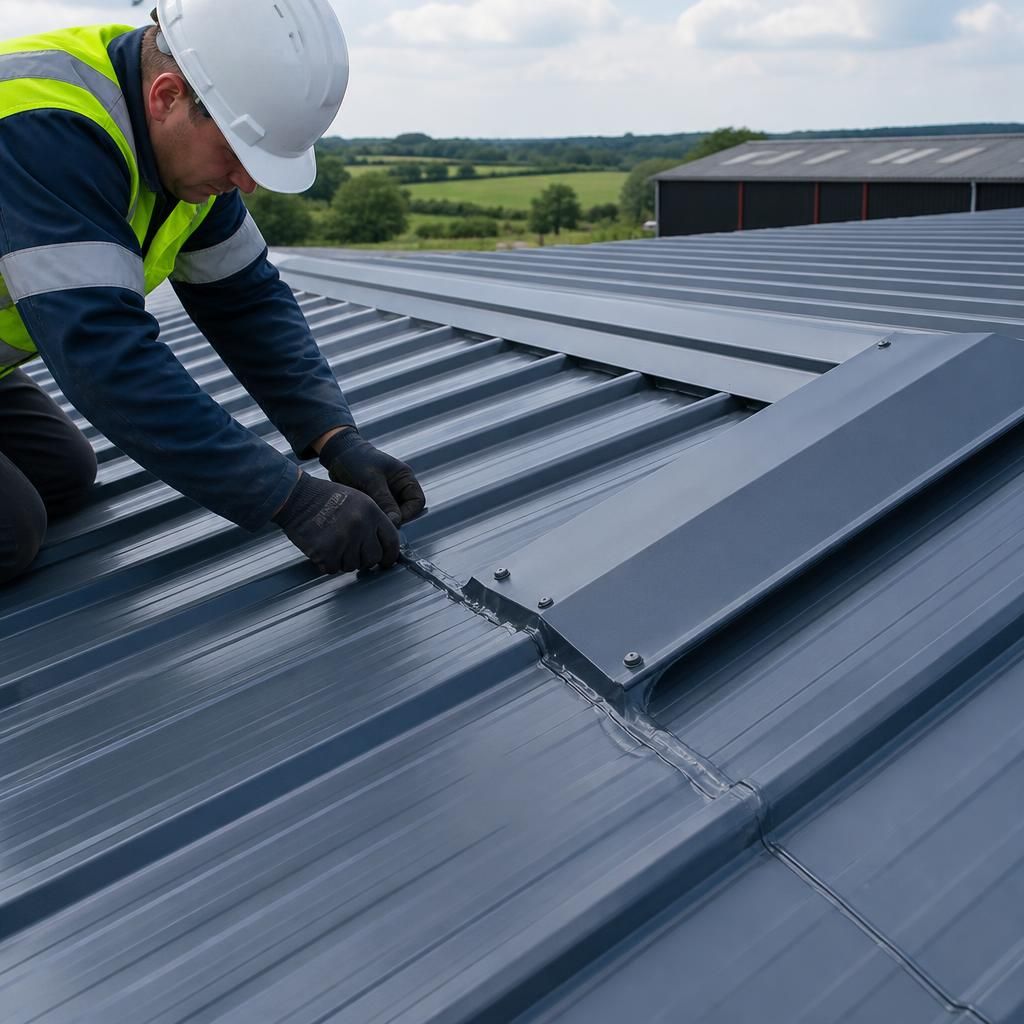
A factory-applied coating should be treated as a complete system, not as a finish that can be replicated by ordinary paint after installation. If cutting, drilling or handling damages the surface, repair products must be compatible with the metallic coating and organic finish already specified. Applying an unsuitable product can reduce adhesion, trap moisture or create a weak area around the damage.
Repairs should therefore follow the coating manufacturer’s instructions. Remove loose material and contamination, clear away swarf, and treat exposed steel or damaged edges only with the recommended preparation and repair coating. Larger areas of damage, repeated rust staining or corrosion around fixings may indicate that the original system is unsuitable for the exposure and should be assessed rather than repeatedly over-painted.
Need help choosing a coating for metal roofing sheets?
Discuss your building’s exposure conditions and intended use with Buildings UK Ltd to establish a suitable coating specification for the metal roofing sheets. The wider roof design, accessories and detailing can then be considered as part of the same specification.