
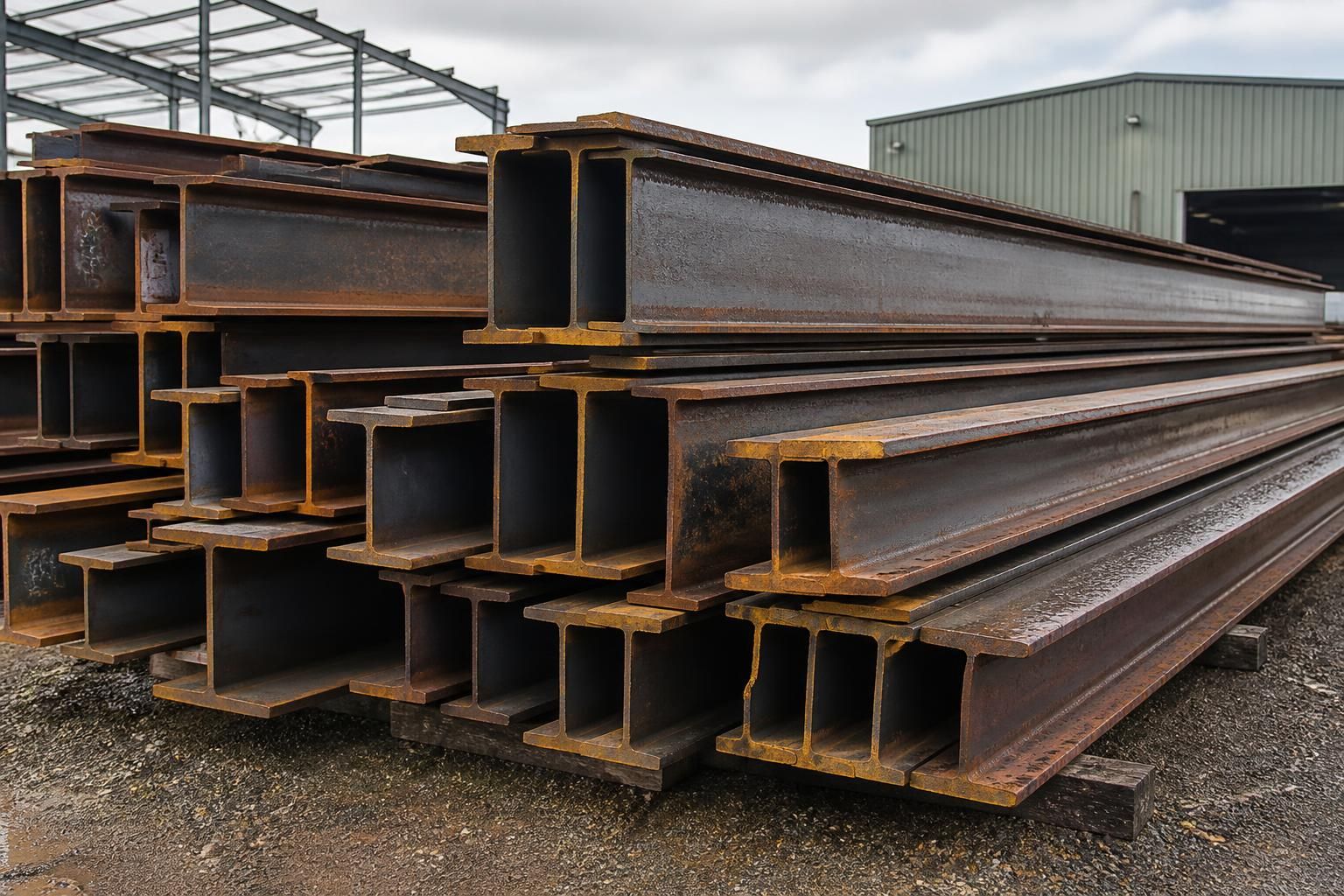
What affects the cost of used steel beams?
The cost of used steel beams depends mainly on their size, weight, grade, length and condition, as well as current supply and demand. Transport, inspection, cutting, cleaning and any required protective treatment can also affect the overall project cost.
The cost of used steel beams is affected by more than the price of the steel itself. The final figure can also reflect the beam’s section profile, available quantity, documentation, preparation requirements, design implications and the work needed to incorporate it safely into the building.
Section profile and suitability influence the value of a reclaimed beam. A commonly used universal beam may be easier to source than a less typical section, while a beam that matches the required structural arrangement can be more valuable than one with similar dimensions but an unsuitable profile. The cost should therefore be assessed against the beam’s intended loading, span and connection arrangement rather than by weight alone.
Quantity and purchasing format can change the effective price. A project requiring several matching members may benefit from buying a compatible batch, whereas sourcing individual beams from different lots can create additional checking and design work. Conversely, purchasing more material than the design needs is not necessarily economical, as unused stock may incur handling, storage or disposal costs.
Traceability and available documentation are also relevant. Records showing the beam’s origin, previous use, material specification or test history can make assessment more straightforward. Where documentation is incomplete, an engineer may need to allow for further verification before the steel is accepted for structural use. This does not automatically make the beam unsuitable, but it can add professional and testing costs.
Structural design requirements may affect the overall budget even when the beams themselves appear inexpensive. Reusing a member can require alterations to the proposed frame, additional connections, reinforcing plates or a revised arrangement of columns and supports. An economical purchase price may therefore be offset if the building design has to accommodate an awkward combination of reclaimed sections.
Connection and fabrication details should be included in any comparison. Drilled holes, welded plates, cleats, end plates and other connection work may be needed before the beams can be installed. The cost can vary according to whether the steel is supplied as a basic reclaimed member or prepared to fabrication drawings as part of a wider building package.
Site installation requirements are a separate consideration from purchasing the beams. Lifting equipment, temporary works, access restrictions, bolting, welding and alignment can all affect the completed project cost. A quote for the steel alone should not be compared directly with a price that includes fabrication, delivery and erection.
Commercial terms can make quoted prices appear different even where the materials are comparable. Check whether the price includes:
- VAT and any other applicable charges;
- loading and unloading arrangements;
- fabrication or connection work;
- engineering or design information;
- protective treatment or other specified finishing work; and
- delivery to the required site and installation, if applicable.
For a reliable comparison, provide the proposed use, structural drawings, required quantity and connection information when requesting a quotation. The supplier or structural engineer can then distinguish the cost of the reclaimed material from the costs of verification, design adaptation, fabrication and erection. This approach helps determine whether used beams are genuinely economical for the project, rather than judging them solely by their initial purchase price.
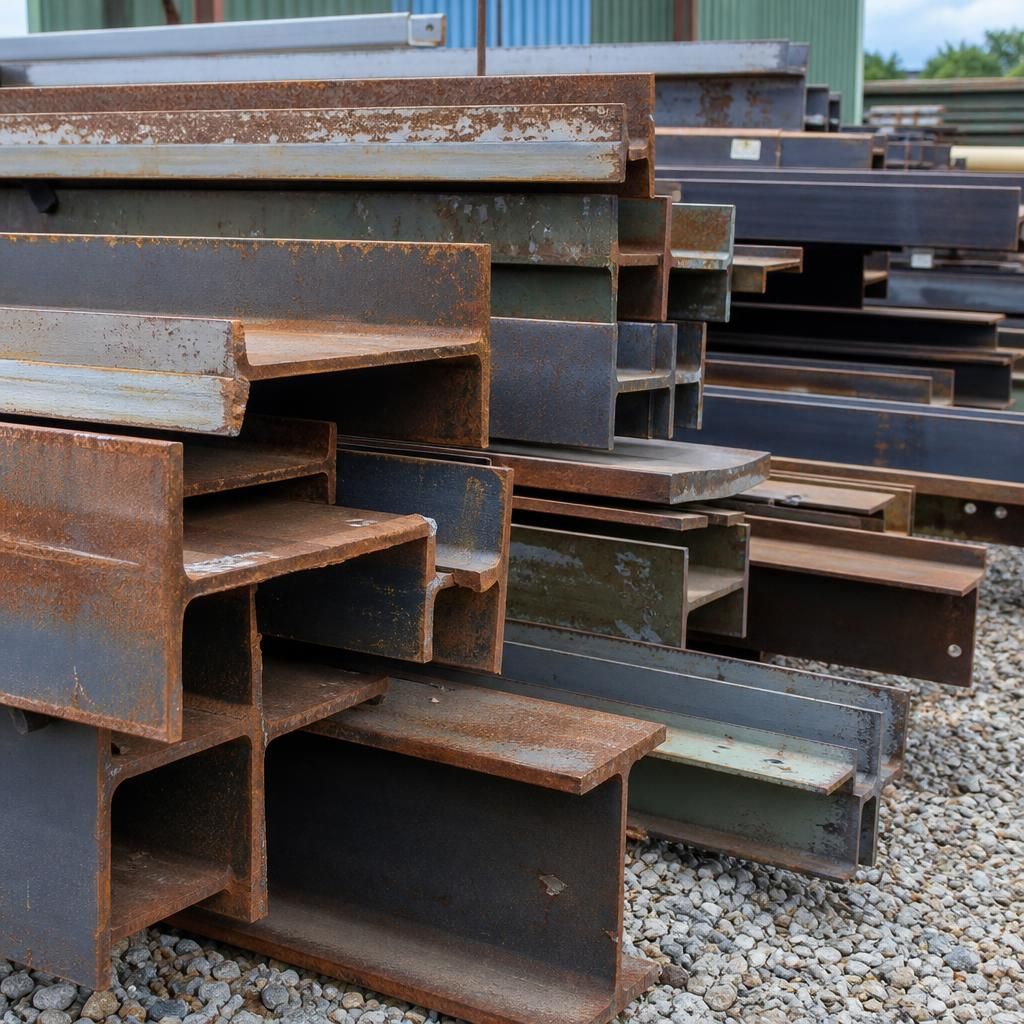
One often overlooked cost is the risk associated with uncertain condition. A used steel beam may appear suitable from its dimensions and surface appearance, but hidden corrosion, distortion or previous alterations can reduce the usable portion of the member. If this is discovered after purchase, the project may incur additional costs for replacement material, revised detailing or disposal.
For this reason, the lowest advertised price is not always the lowest-cost option. A beam with clear condition information and a suitable inspection record may have a higher purchase price but require less financial allowance for uncertainty. When comparing options, consider the likely cost if the member is rejected or needs further work, rather than assessing only the initial price per beam.
Discuss the cost of used steel beams
Discuss your proposed use of used steel beams with Buildings UK Ltd and provide the relevant drawings, quantities and connection details for a considered project assessment. This will help establish which cost factors apply before you commit to reclaimed material.